










If you work front of house with a handheld ordering device, you know the situation: the device has to be in your hand within two seconds — and out of the way again a moment later, because you're carrying three plates. Everything to do with accessories sits between those two states.
One thing up front, so the position is clear: "Orderman" is a registered trademark of another manufacturer. We make leather goods, we are not part of that company and we have no business relationship with it. Where the name appears here, it does so to indicate what type of device a case is intended for. About the devices themselves — model ranges, prices, software, the manufacturer's own accessories — we say nothing, because we know nothing reliable about them. For those questions, the manufacturer or your till system dealer is the right place to ask.
What a handheld ordering device does in service
The principle is the same on all handhelds of this kind: the order is taken at the table and goes straight from there to the kitchen and the bar, instead of someone walking back to the station and typing it all in a second time. What that gains you depends less on the device than on the distances involved: the further apart the terminal, the kitchen and the dining room are, and the larger the outdoor area, the more steps you save. In a place with twelve tables and one station behind the bar, the gain is small. In a beer garden with four hundred seats, it's the difference between a good Saturday and a catastrophic one.
For the accessories question, only one thing matters: the device is an object you carry on your body for eight hours, constantly taking out and putting away again. And it's expensive enough that it shouldn't be hitting the floor.
Three ways to carry it — and when each one works
Holster on the belt
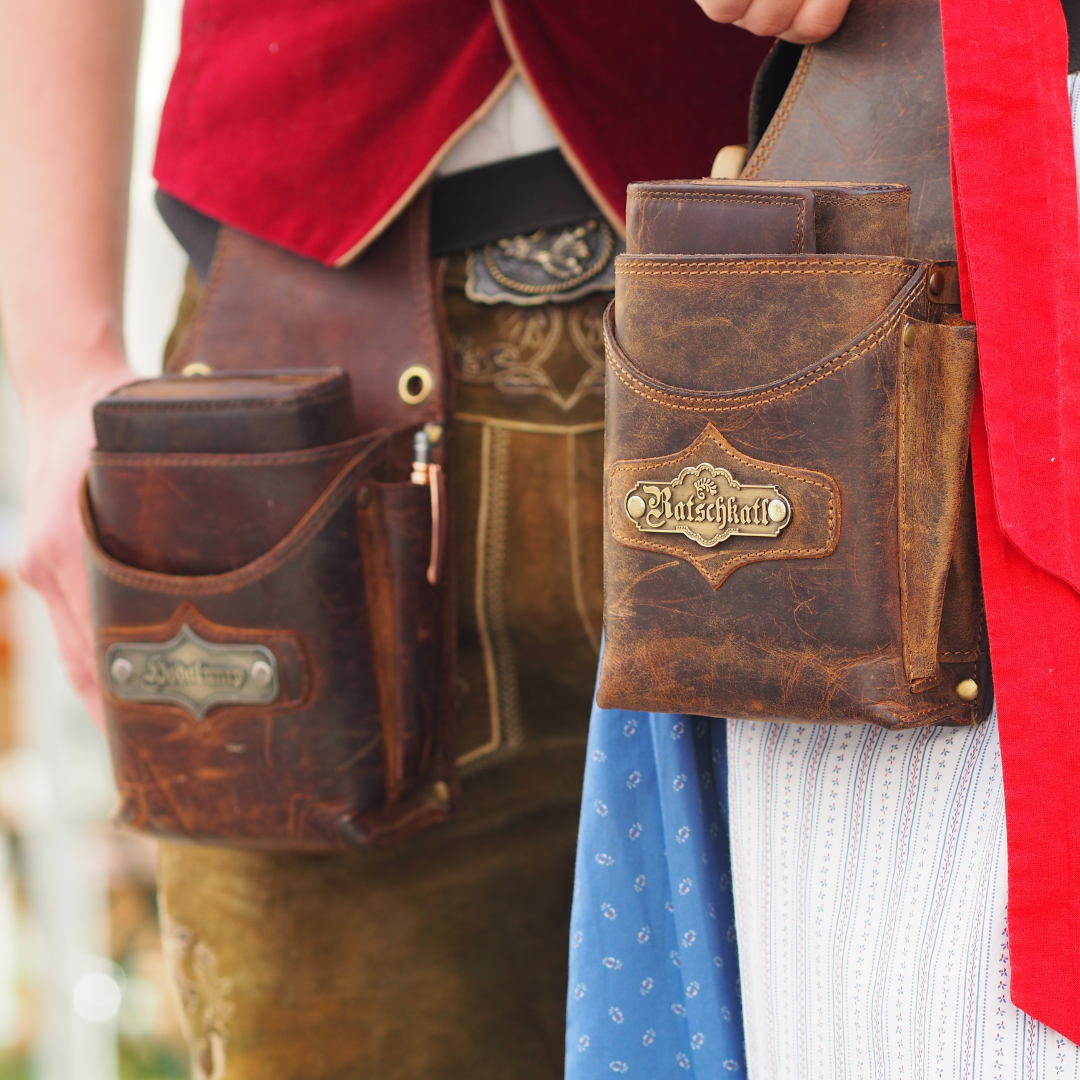
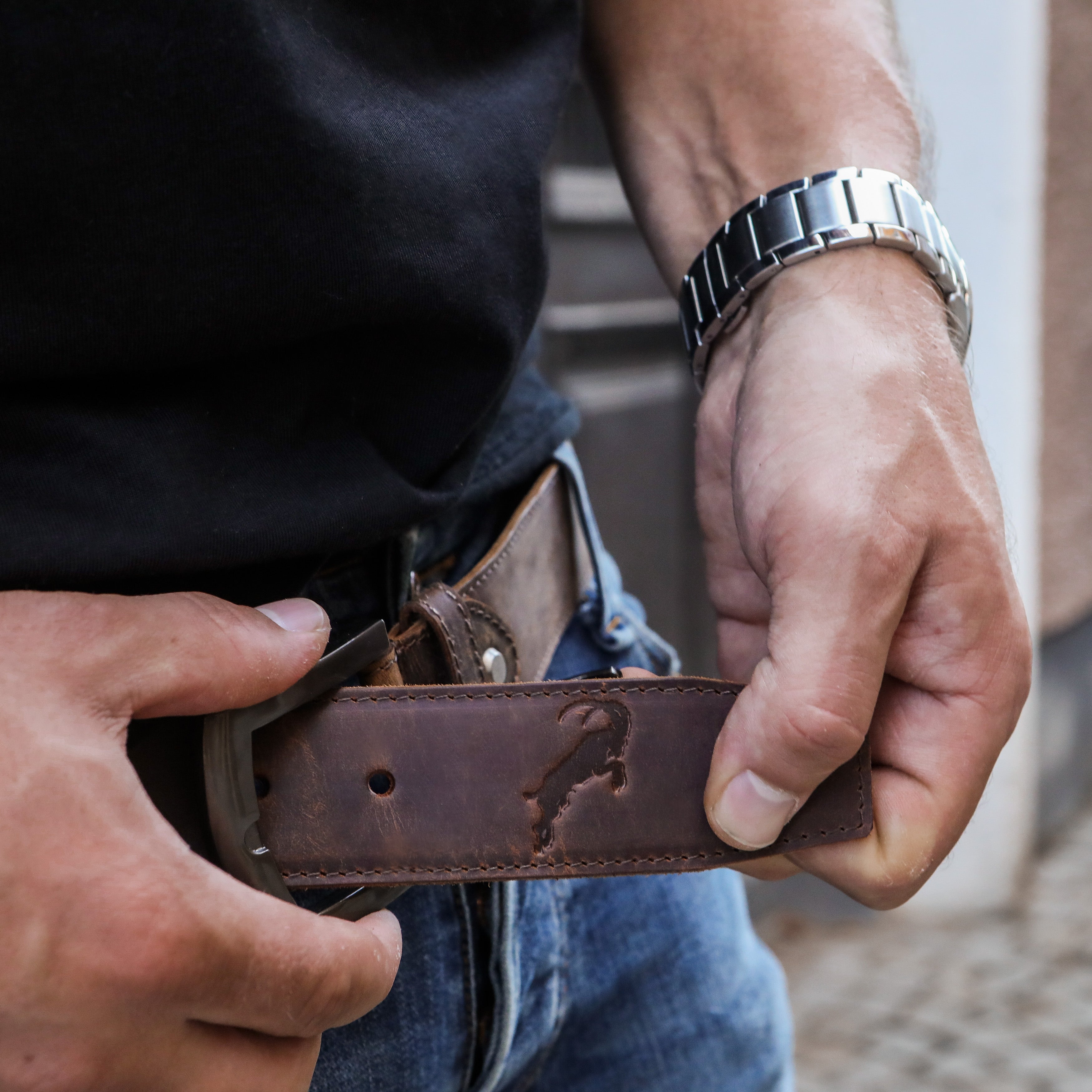
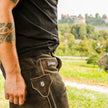
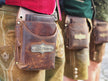
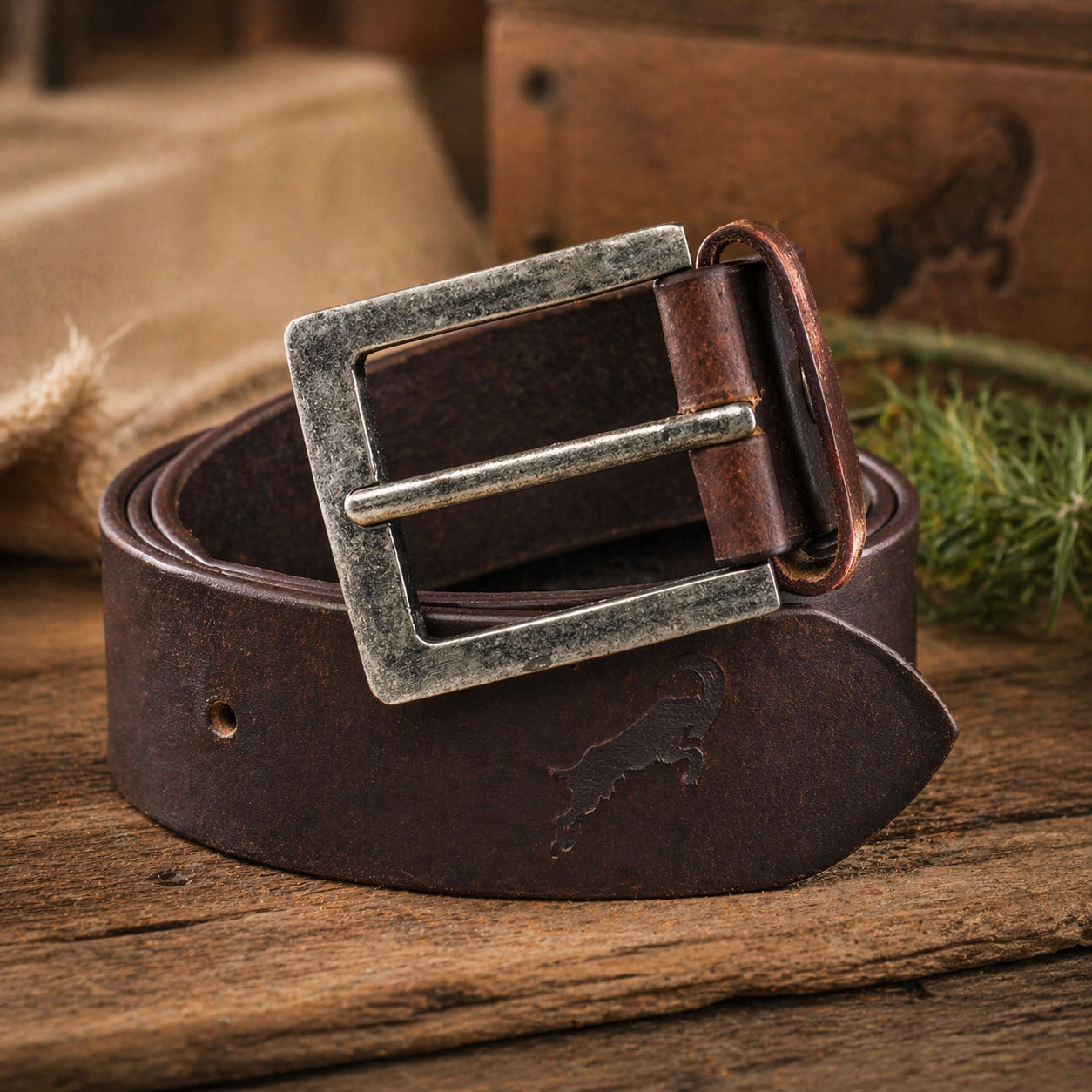
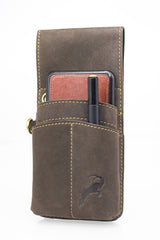
The device sits at your side or at the front of your belt, usually opening upwards, and comes out in one movement. The fastest option, because after a few shifts your hand finds it without looking. It depends on having a belt that genuinely carries the weight without slipping — you'll find the range under leather belts. The drawback: at the table, in narrow aisles and squeezing between chairs, the device sticks out. If you work a lot between closely spaced tables, you'll notice it.
Over the shoulder
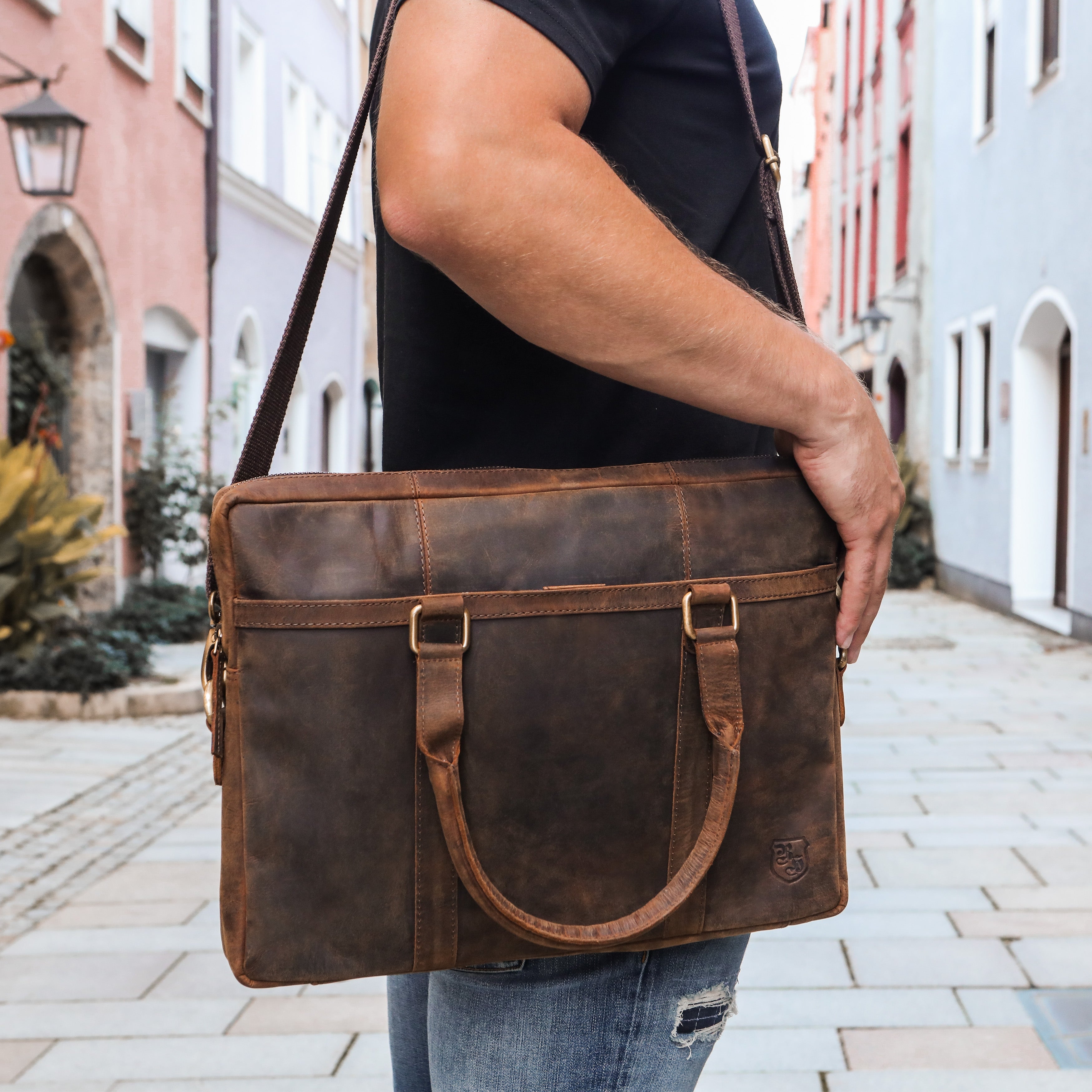
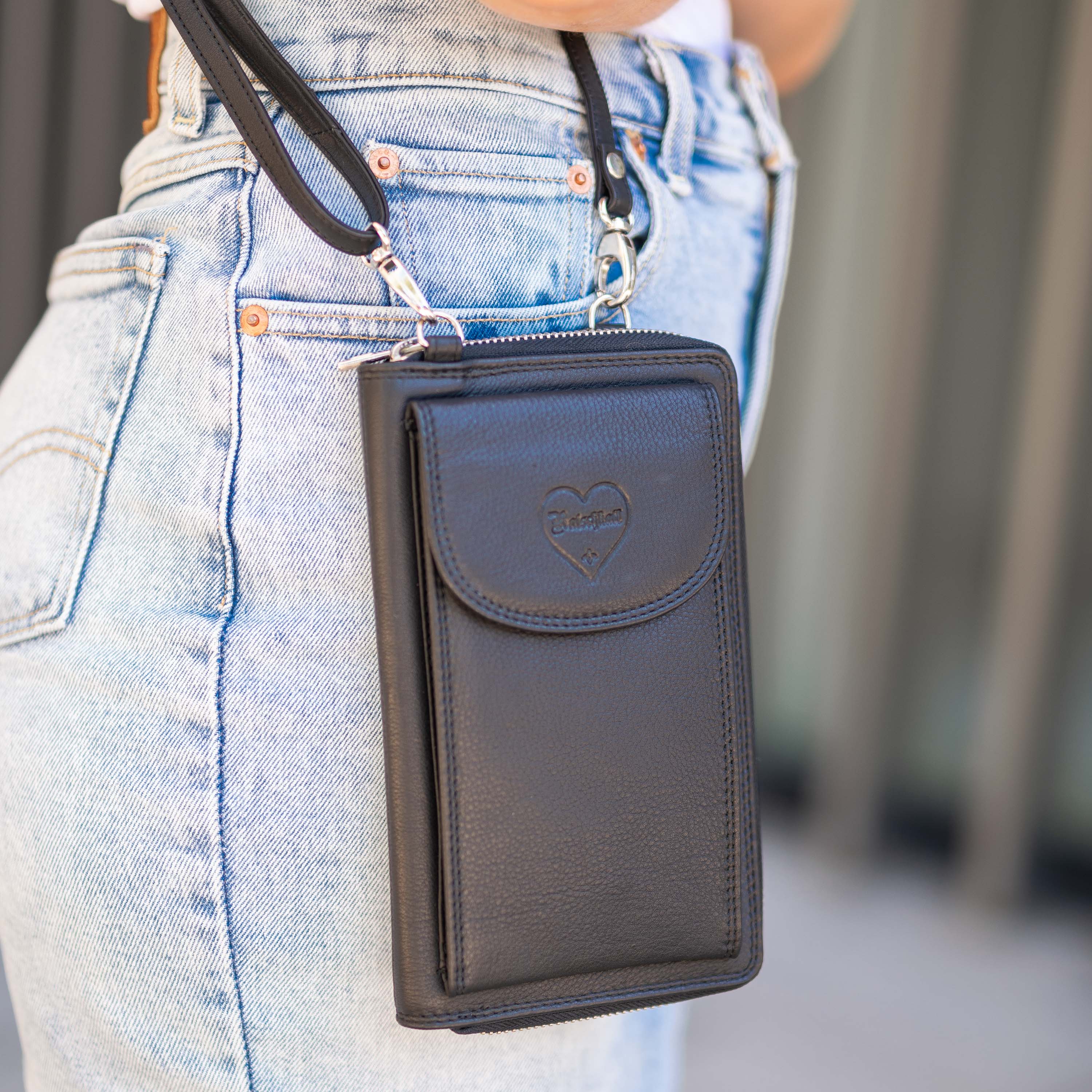
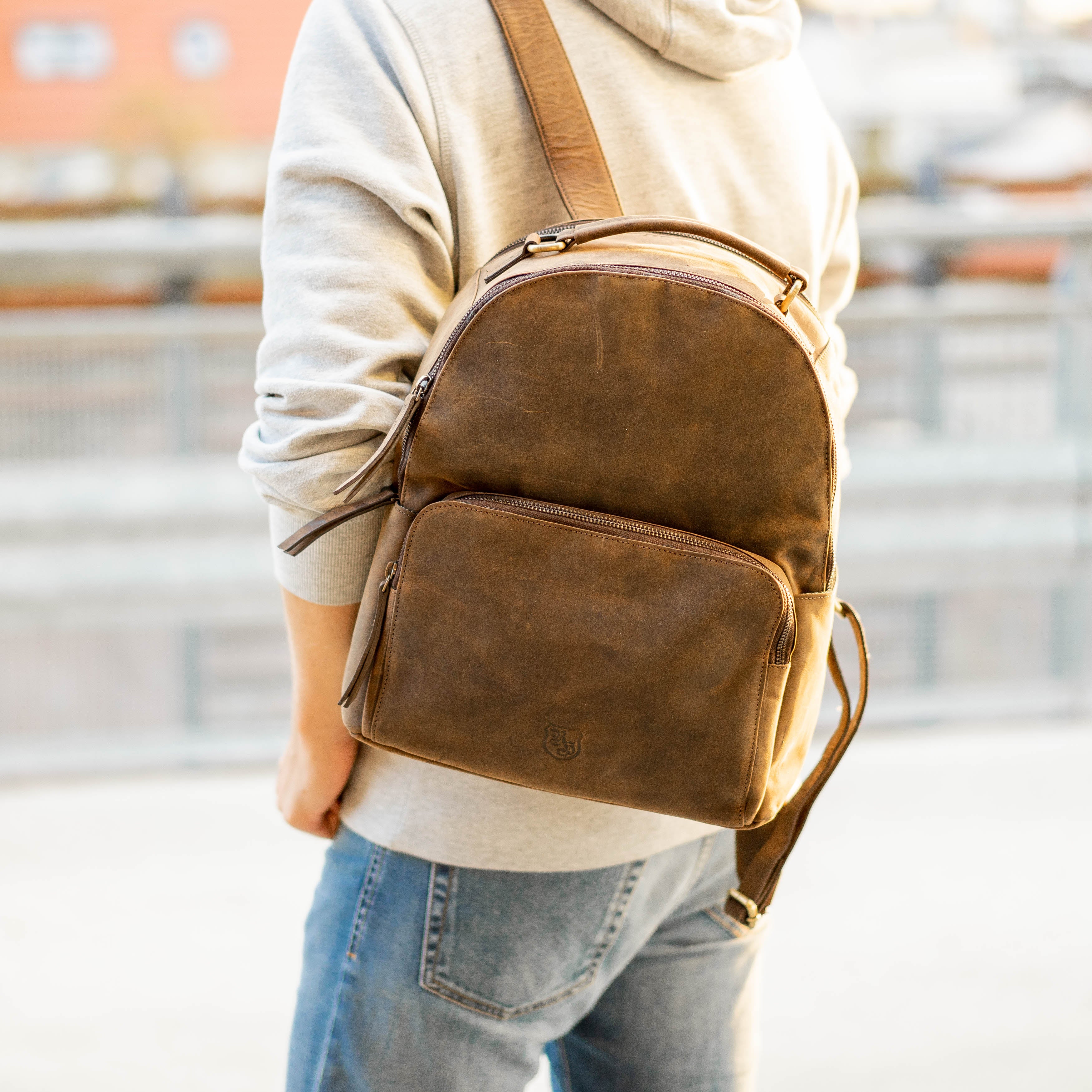
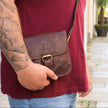
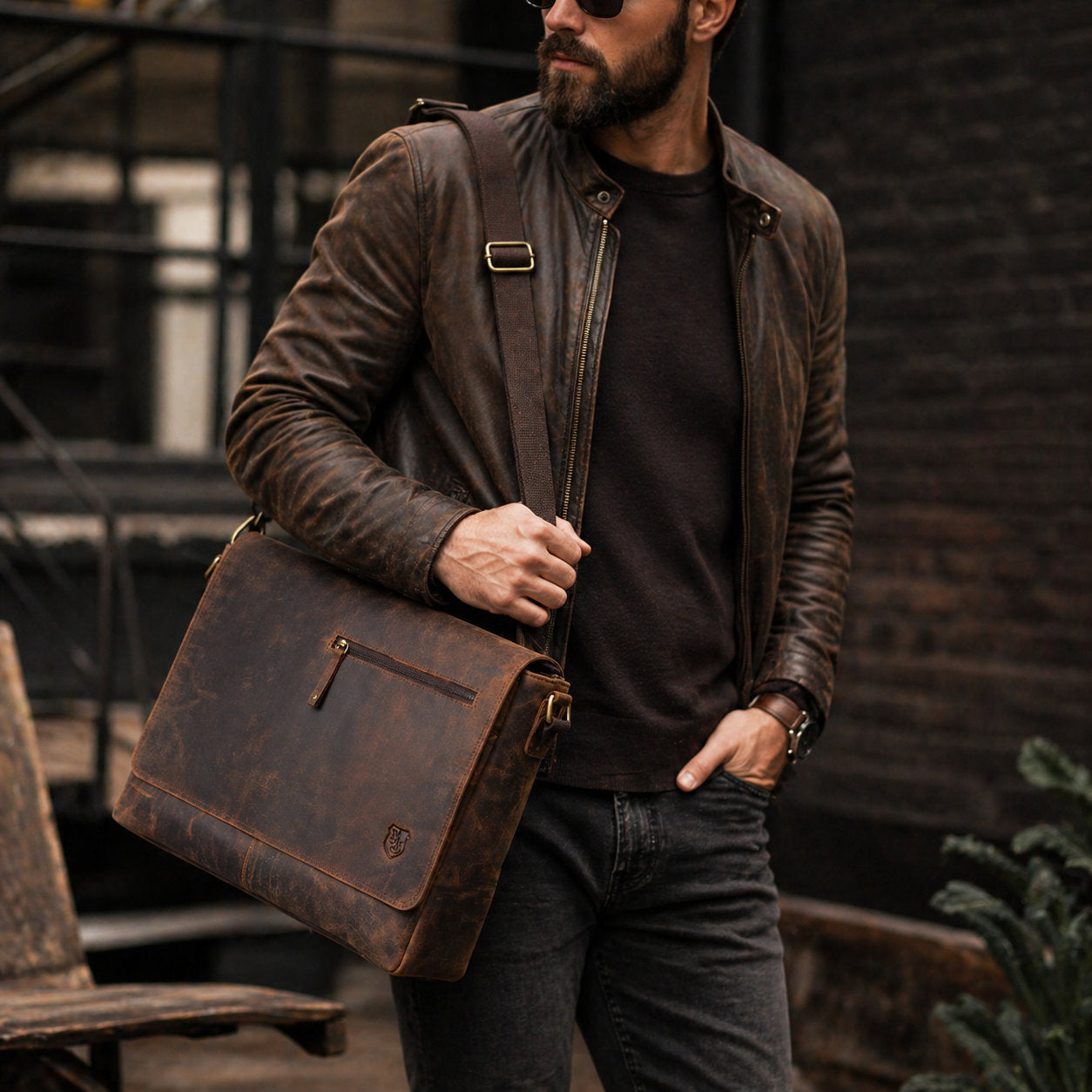
A bag with a strap, worn across the body. The weight sits on your shoulder rather than your waistband, and the device hangs in front of you instead of jutting out to the side. Comfortable on long shifts, and for anyone whose back suffers from a loaded belt. In exchange, reaching for it is a fraction slower, and the strap needs thinking about with every movement.
Belt bag at the front
The hybrid: a bag on your waistband with room for more than just the device. Handy if you're carrying tokens, a cloth and a receipt pad anyway and don't want three separate items hanging off your belt. Less handy when the device ends up at the bottom and you have to dig it out every time.
There's no universal answer. It depends on your section, on how many trips you make per shift, and on whether you're right- or left-handed — with a holster, that decides which side it goes on.
What else has to go on the belt alongside the device
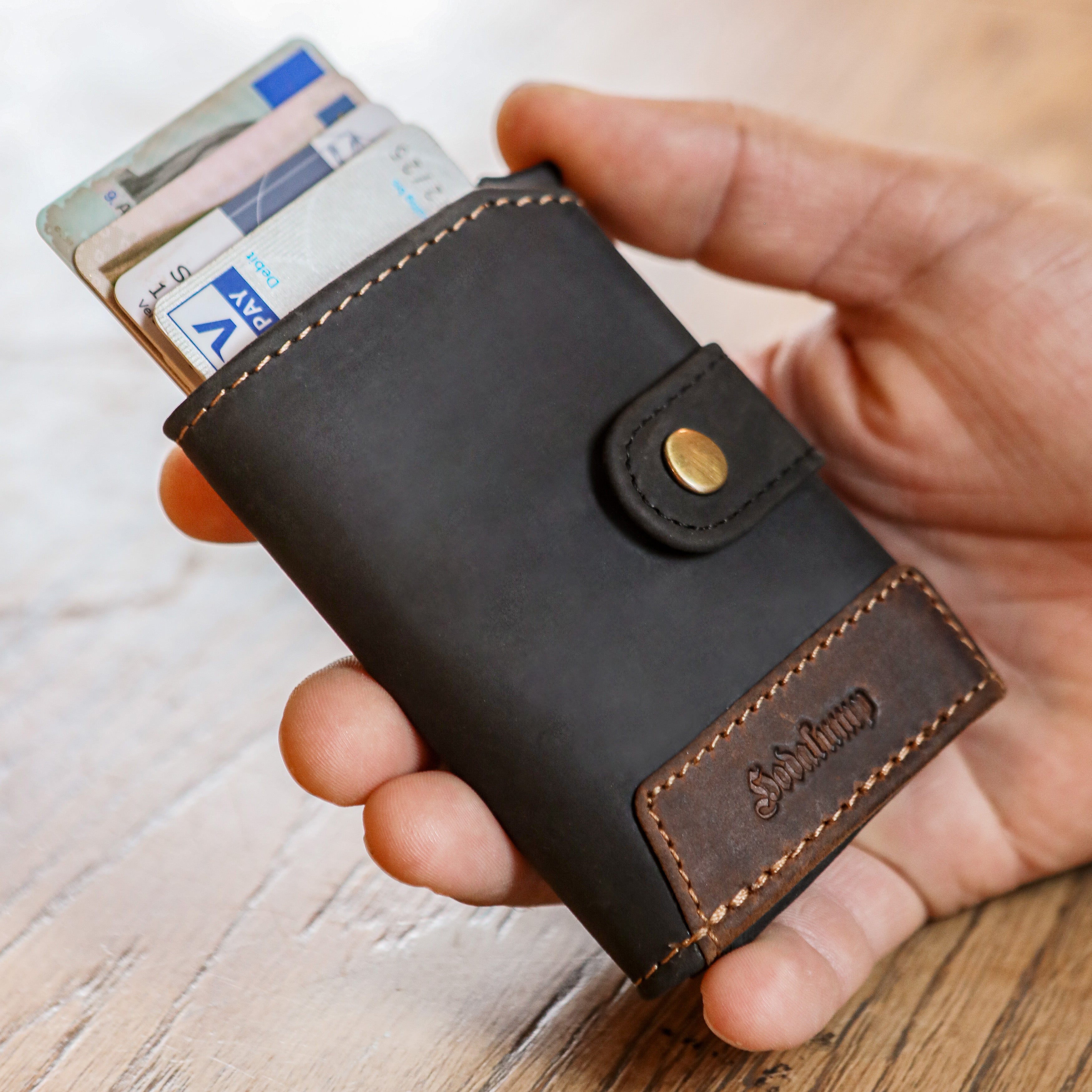
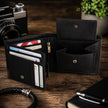
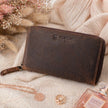
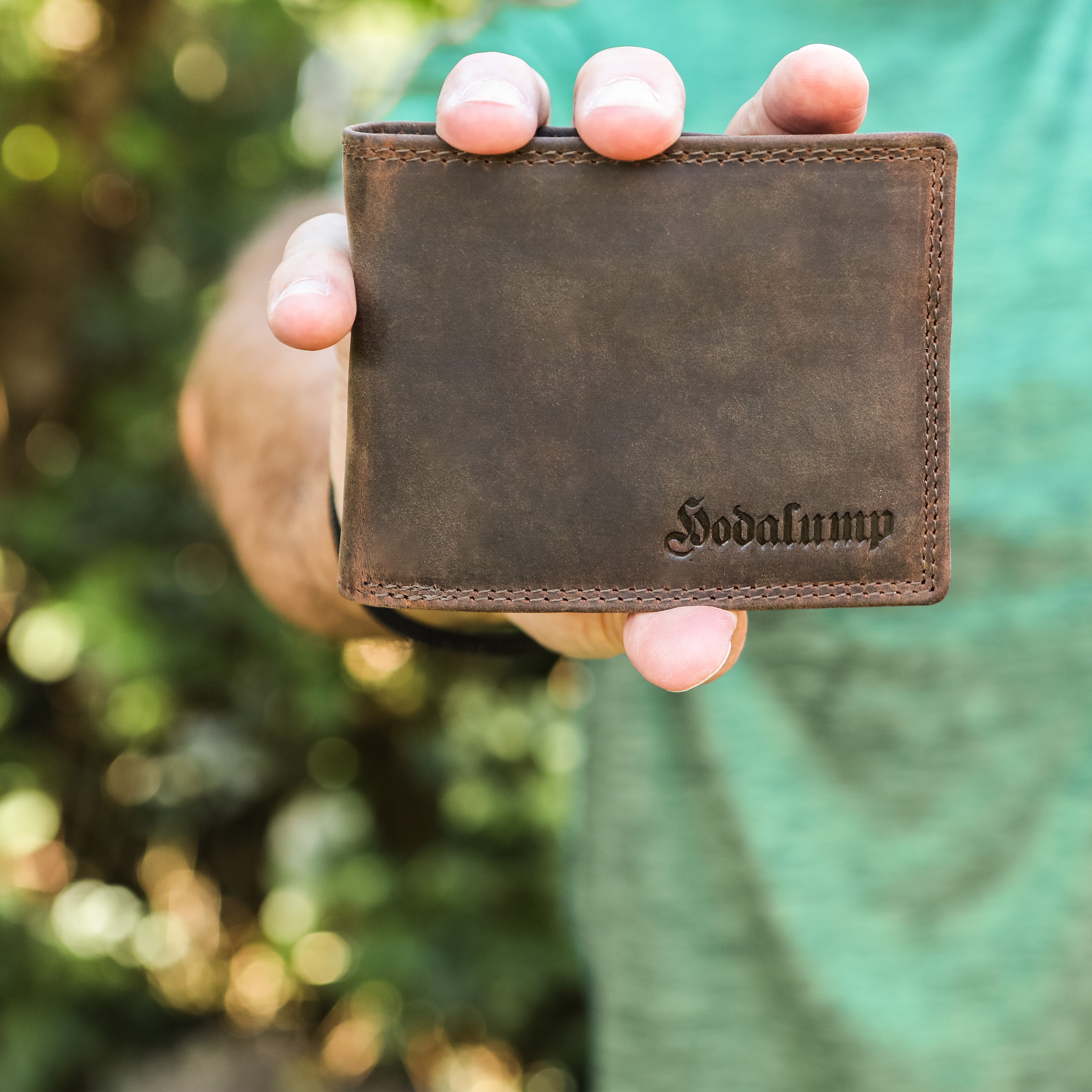
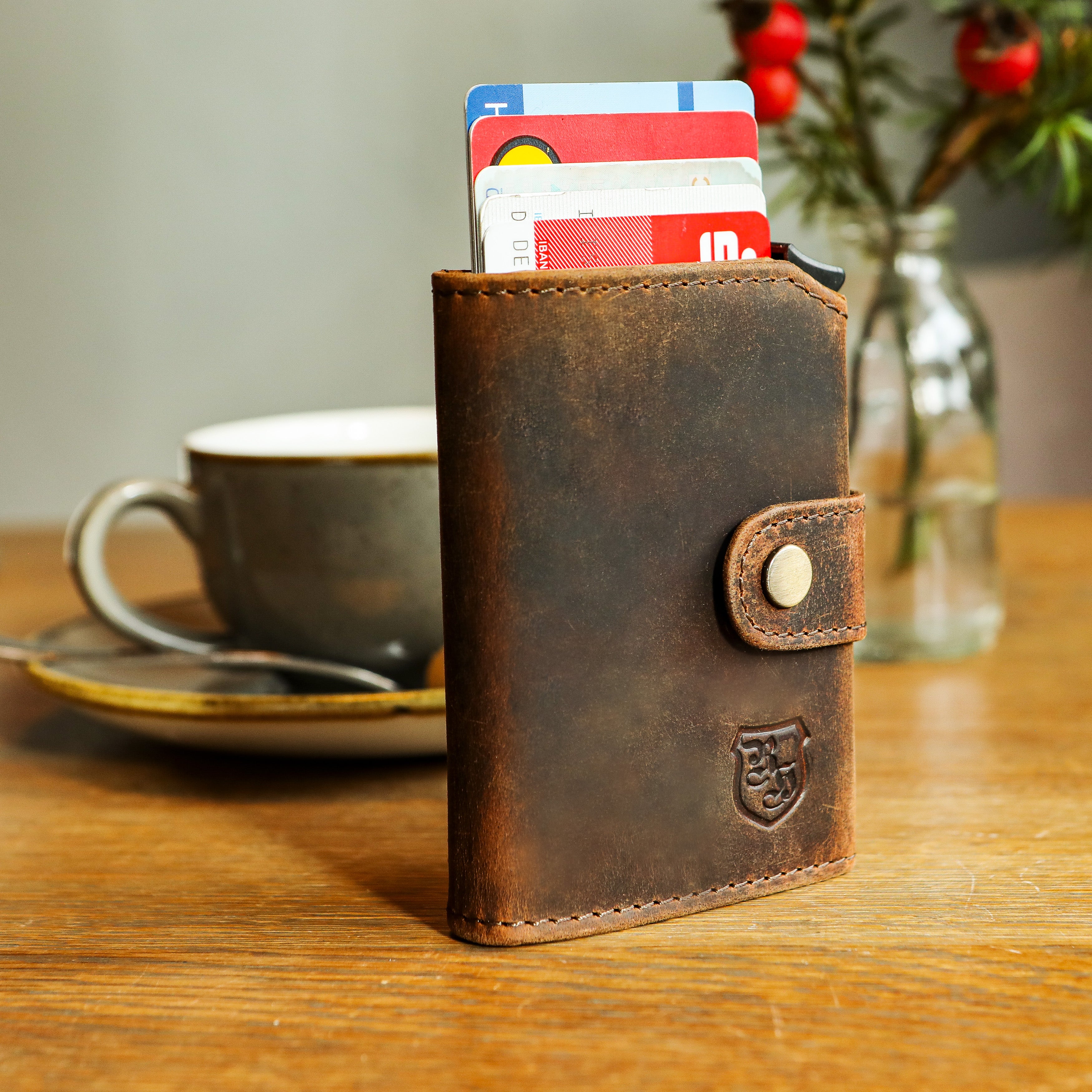
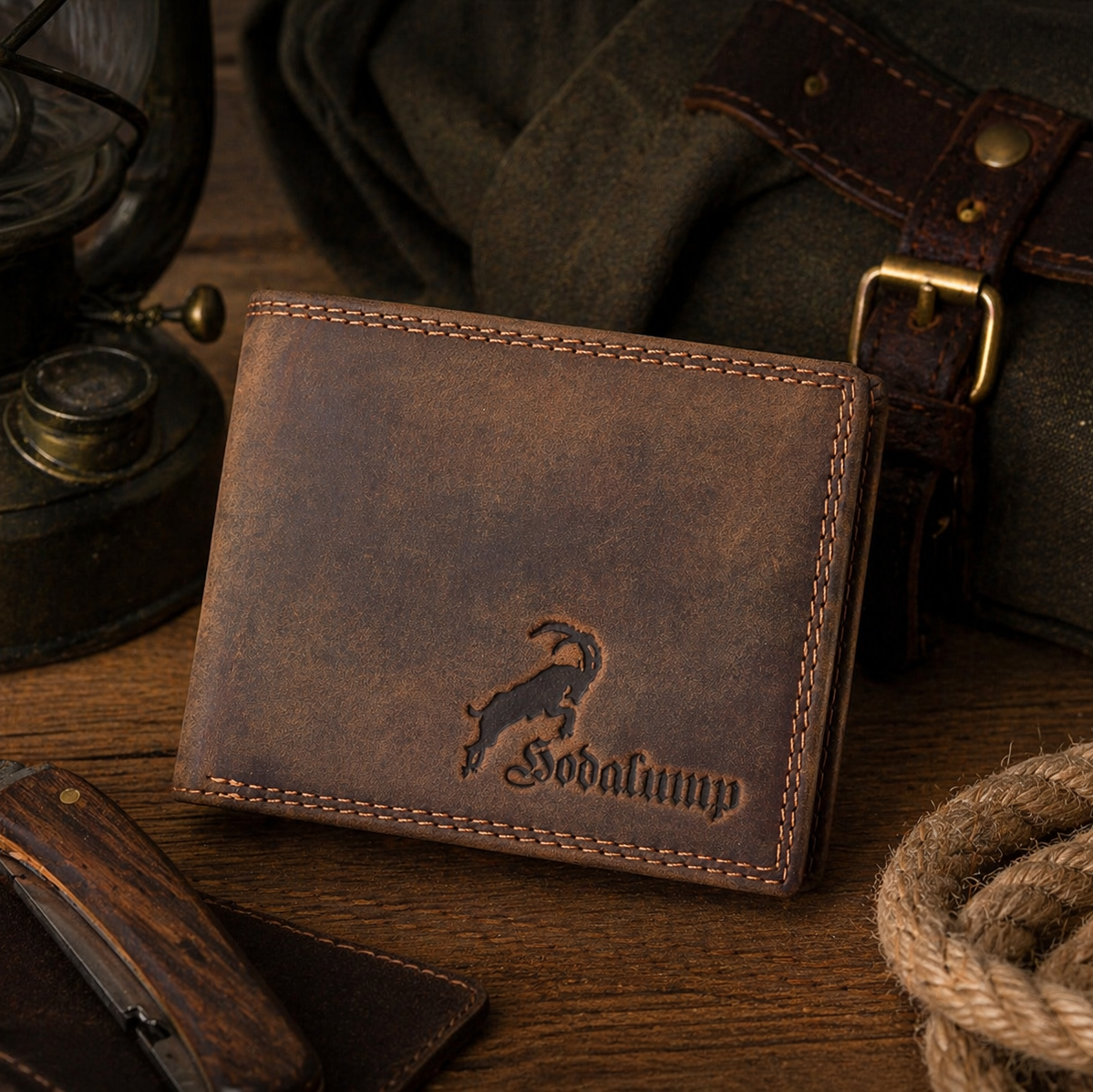
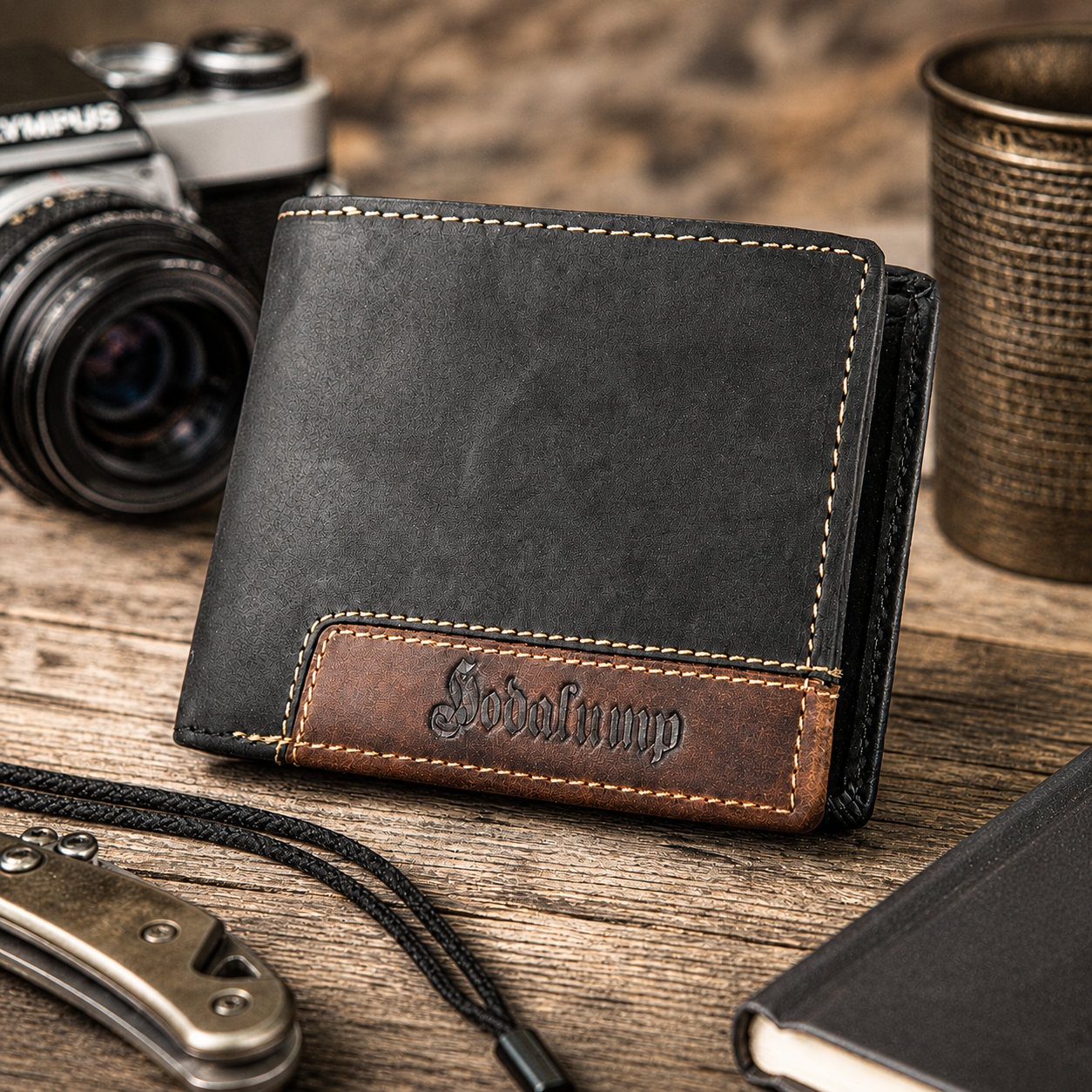
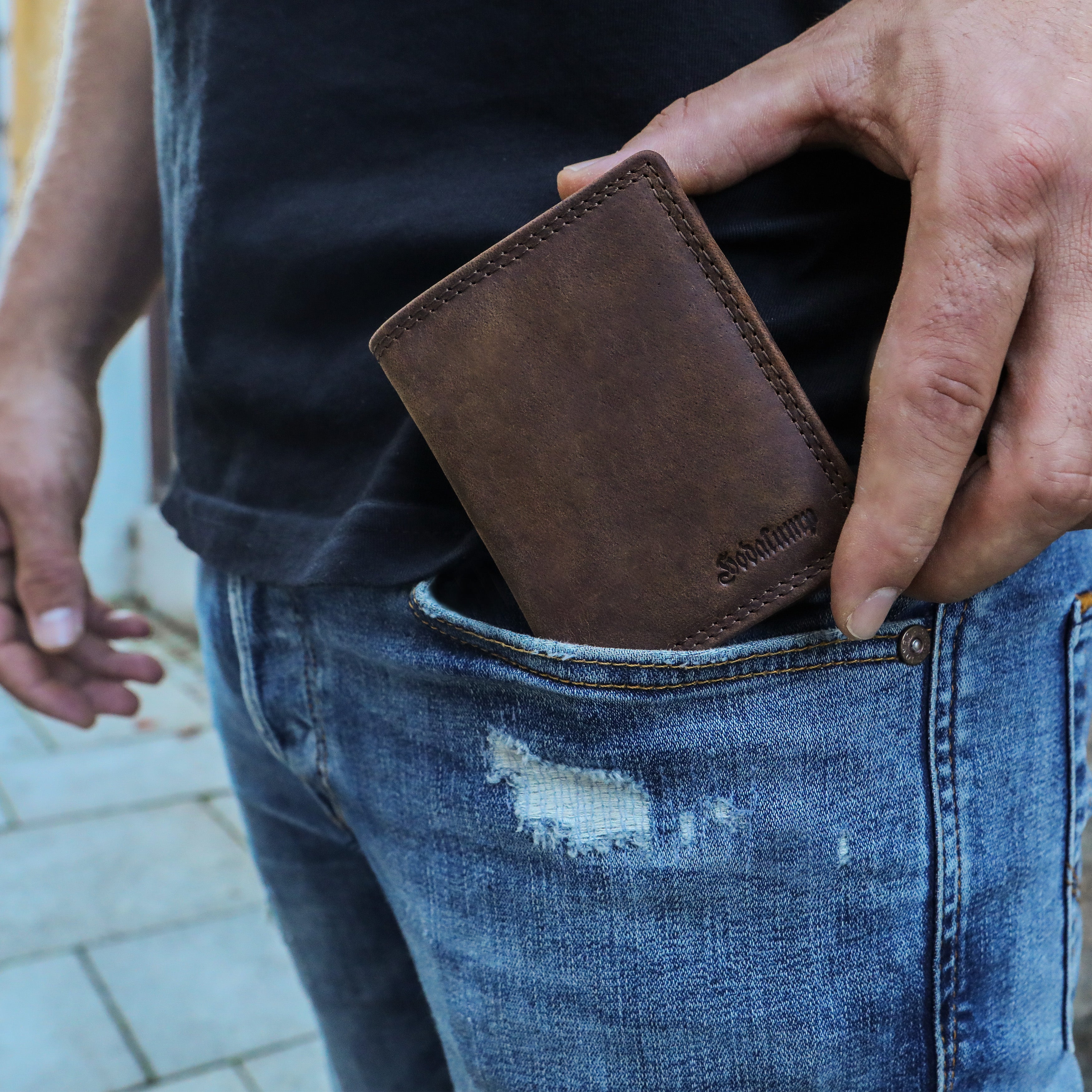
The device replaces the order pad, not the cash. As long as people pay in cash, you still need a wallet with note compartments and a coin section you can open one-handed. On top of that, depending on the business, come tokens or chips, a cloth, a pen, a waiter's friend. Our selection for all of that is in the waiter's bags — from the slim set to the holster with wallet. Which one suits which business is covered in detail in the article on putting together a waiter's set.
The rule from experience: anything you touch more than ten times a shift belongs in a fixed position. Everything else can go in the bag. Carry each item wherever there happened to be room, and you'll spend every evening searching for something.
Our accessories for people carrying a device
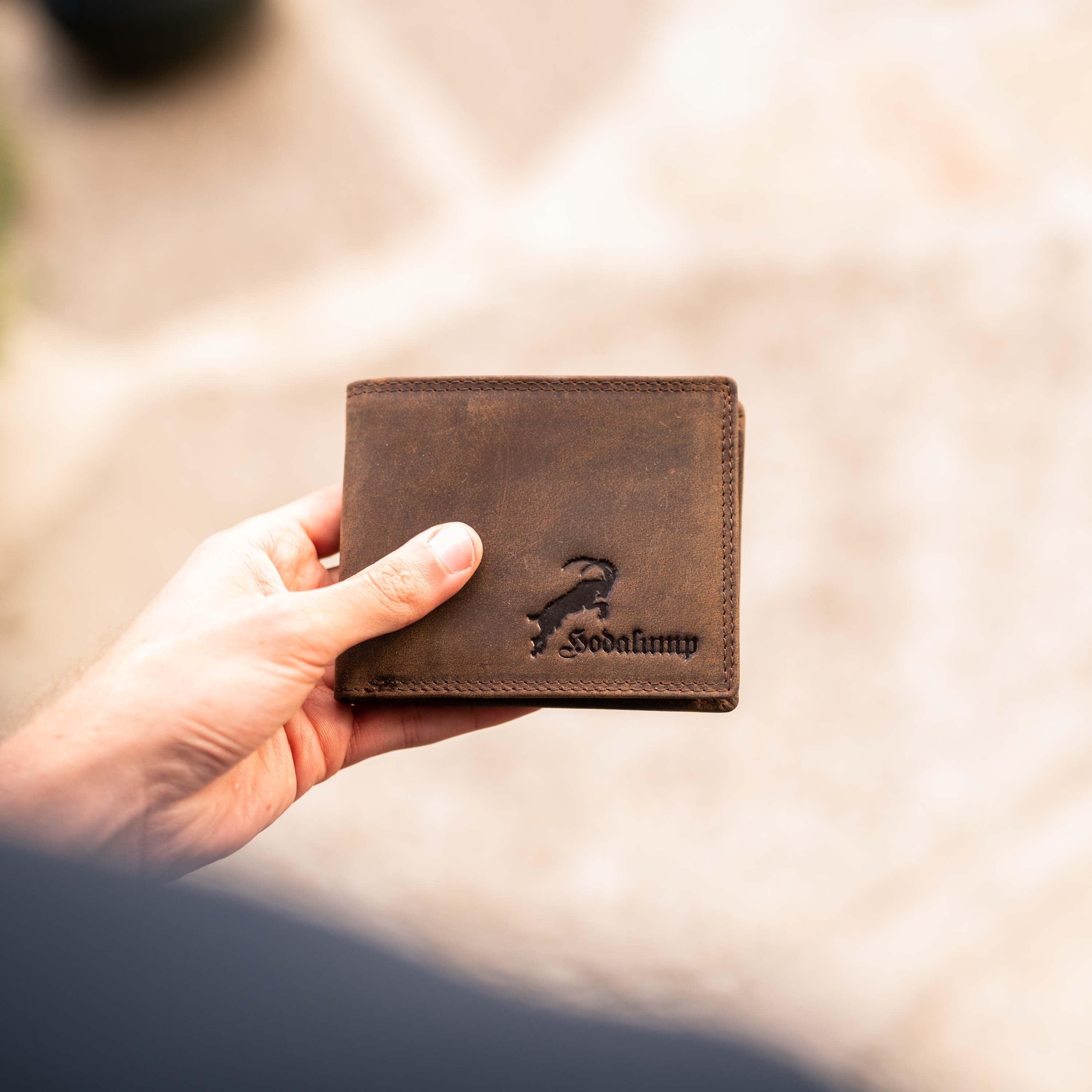
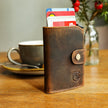
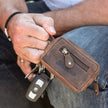
For handheld ordering devices we stock the Hodalump Orderman case for hospitality of every kind at €39.95 — a leather case designed for handhelds of this build. The money goes alongside it, for example in the Hodalump waiter's holster in black. And when tokens, cloths and odds and ends come into it, the token bag takes them. All three models are in the table above with prices and ratings.
What to check before you buy
- Measure your device — height, width and depth, and do it with the protective sleeve on if you use one. That sleeve is the most common reason a case ends up not fitting. Compare the figures against the details given for the model before you order.
- Think about charging. If your device sits in a charging cradle, check whether you have to take it out of the case each time. At five charges a shift, that matters.
- Check the loop. It has to suit the belt width you actually wear.
- Leather gives. A new leather case sits tighter at first than it will after four weeks. Buy it too loose and it stays too loose; buy it slightly snug and it will soon fit.
And then the thing everyone in service underestimates: accessories that hang on your body for eight hours a day take a beating from sweat, beer and cleaning products. Leather that is never cared for goes hard and cracks along the edges. How to prevent that is set out in our guide to applying leather grease and in the guide to leather care. Ten minutes every few months decides whether a wallet lasts two years or eight.