













Leather dries out. Not overnight, but steadily: every time it gets wet and dries again, some of the fats that keep the fibres supple are lost. At some point the surface feels dull, the edges go lighter than the rest, and fine lines appear where it folds. From then on, no cloth is going to help.
Feeding it takes less than ten minutes. Plenty can still go wrong — too much at once, wiped off too soon, the wrong sort of leather. Let us take it in order.
What leather grease does inside the leather
Tanned leather is a mesh of fibres that stays movable only as long as there is enough fat sitting between those fibres. Without it, the fibres rub against each other dry and the material turns brittle. Leather grease works its way back into those gaps, makes the leather pliable again and at the same time settles on the surface as a film that water will bead off for a while.
What it cannot do: close cracks, remove stains or bring back faded colour. Grease is prevention, not repair. If you wait until the leather cracks along an edge, you have left it too late.
What is leather grease made of?
Classic leather greases are blends of fats and waxes. That is why they are firm to salve-like in the tin and soften under your fingers. The recipe differs from maker to maker, and that is exactly what determines how much a grease darkens the leather — a wax-heavy grease tends to stay nearer the surface and shine, a fat-heavy one soaks in deeper and softens more. If you want to know precisely for a particular product, only the manufacturer's own information will tell you.
We make it easy for you here: we carry exactly one care product, our leather grease at €8.95. So we are sparing you a choice between five tins. It is rated 4.77 out of 5 by 52 buyers.
How to tell your leather needs feeding
- The surface looks matt and feels dry, almost papery.
- Edges, folds and seam areas go lighter than the surface next to them.
- Water no longer beads off but soaks straight in as a dark patch.
- When you bend it, a crease stays put instead of smoothing itself out.
Any single one of these signs is reason enough. How quickly they appear depends less on age than on what the piece has to put up with. A wallet in your trouser pocket picks up a little skin oil every day and therefore lasts surprisingly well. A belt that gets caught in every shower is due much sooner.
Applying leather grease: step by step
1. Clean it first
Grease on top of dust makes dirt, and that dirt then sits in the leather. So take loose dirt off first with a soft brush or a dry cloth. If more is stuck on, wipe it down with a slightly damp cloth — and then let the leather dry completely, in the air. Not on a radiator, not with a hairdryer: heat pulls even more moisture out of the leather, and that is the opposite of what you are trying to do. How to tackle more stubborn stains and water marks is set out in detail in the guide to cleaning and caring for leather wallets.
2. Test on a hidden spot
Grease darkens leather. On dark, tightly closed leathers you will hardly notice; on light and open-pored ones you very much will. So put a small amount on somewhere nobody sees it first: the inside of a belt, the base of a bag, the back of a strap. Wait until the spot is dry, then take a look at it. If you like the tone, carry on. If you do not, you have changed one spot rather than the whole piece.
3. Apply it thinly
Pick up a small amount with a soft cloth or straight with your fingers — the warmth of your hand makes the grease more pliable and you can judge the dose better. Then spread it thinly in circular movements, evenly across the surface, and expressly include the seams and the fold lines. That is where the leather works hardest, and that is where it splits first.
Less really is more here. Whatever the leather cannot take up stays on top, goes tacky and collects dust. You know you have the right amount when the surface looks evenly silky — not when there is a visible layer sitting on it.
4. Letting it soak in — for how long?
That is the question we get most often, and the honest answer is: longer than most people wait. As a rule of thumb, a few hours at room temperature is enough if you really did apply only a thin layer. For leather that has had nothing for a long time, you are better off leaving it overnight.
The sign that it is done is more reliable than any clock: the surface no longer shines greasily but looks matt again and feels dry under your palm. As long as it is still slick, the grease is not in the leather, it is on the leather.
What shifts the timing: room temperature, humidity, the thickness and density of the leather and how thirsty it was. A sturdy belt takes longer than a thin, soft strap. And a piece lying in a cold hallway takes longer than one in a heated room.
5. Take off the excess and buff
Go over the whole surface with a dry, lint-free cloth and take off whatever has not soaked in. If you like, give it a quick buff afterwards. That evens out the colour and gives a calm, deep shine rather than a greasy sheen.
6. Twice thin beats once thick
If the leather still looks dry after the first round, repeat steps 3 to 5. Two thin applications with a wait in between do more than one thick one that just sits on top.
Cowhide, buffalo leather, nappa: what differs
Cowhide
Cowhide is the catch-all term covering most of what you handle day to day. It usually has a smooth grain, it is stable and it takes up grease evenly. Here the instructions above apply exactly as written. If you are unsure how much your piece can take: a little first, then top up.
Buffalo leather
Buffalo leather is heavier and has a distinctly visible, coarser grain. It swallows correspondingly more grease, and that is exactly where the trap lies: the grease settles into the hollows of the grain and stays there as a light, waxy residue if you do not buff it out thoroughly. So after it has soaked in, deliberately work the cloth over the texture and go across it too, not just in one direction. Buffalo leather often darkens noticeably when fed — on a piece that is meant to build a patina anyway, that is exactly what you want.
Nappa
Nappa is fine, soft and usually thinner than what goes into belts. It reacts badly to too much grease: the surface goes slick and the leather looks limp rather than supple. Work with a soft cloth only here, never a brush, and use considerably less than you would on buffalo leather. One round is generally plenty.
Suede, velour and nubuck: not here
These leathers have a raised surface, and it lives on the fibres standing loose. Grease lays them flat, sticks them together and turns that velvety feel into a dark, smooth surface. There is barely any undoing it. There are dedicated products for rough leathers — our leather grease is not one of them, and we would rather write that down here than explain afterwards why your bag now looks different.
By item: wallet, bag, belt, lederhosen
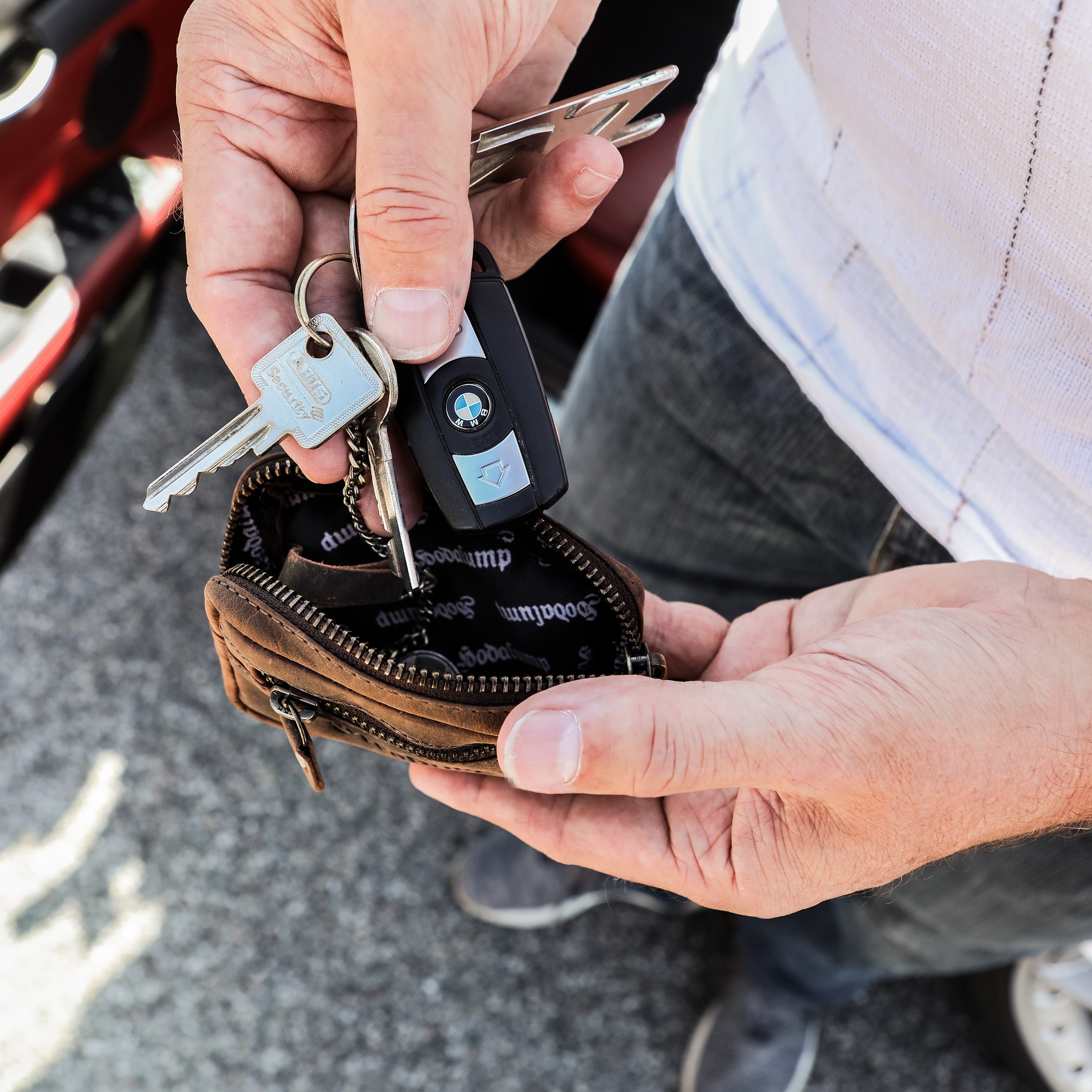
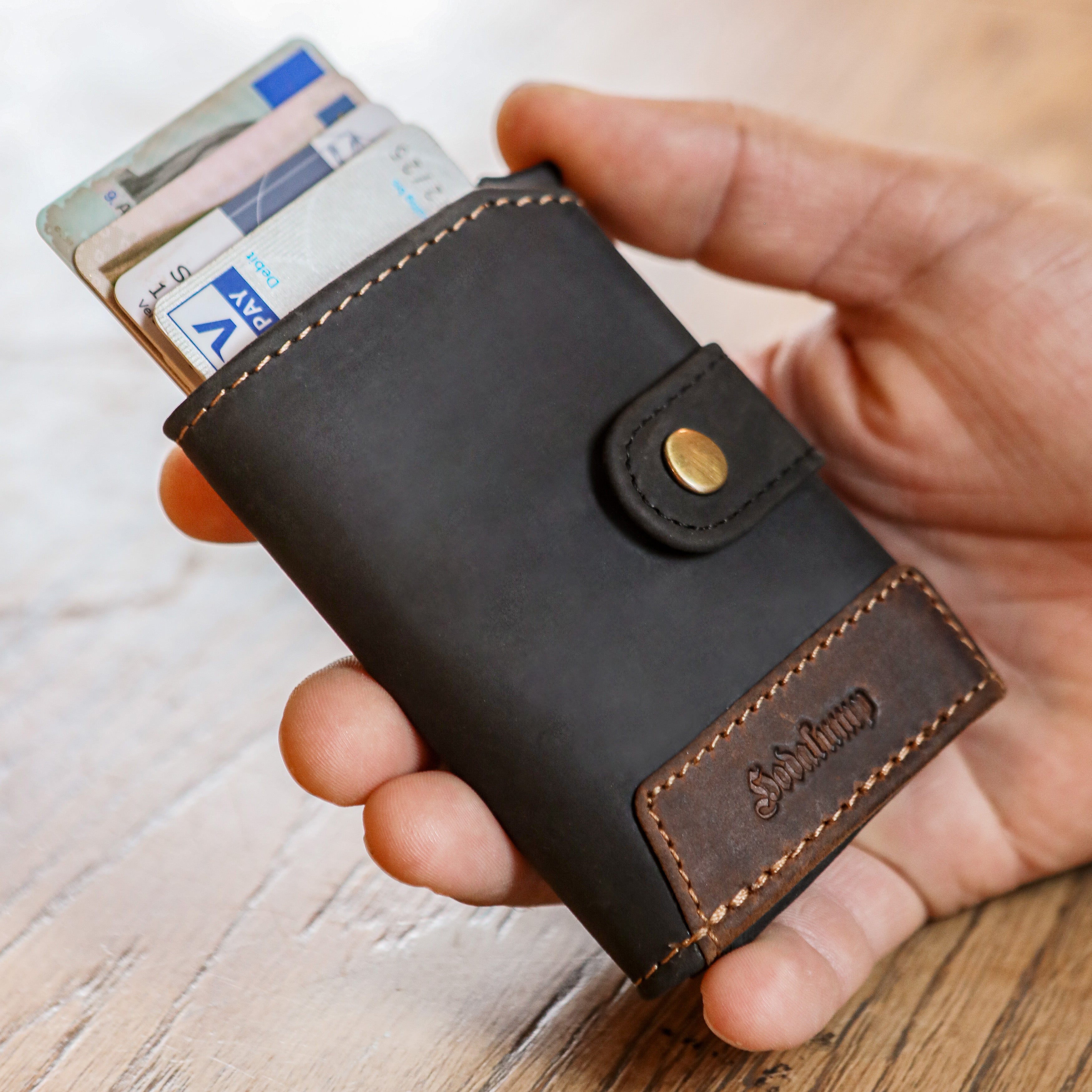
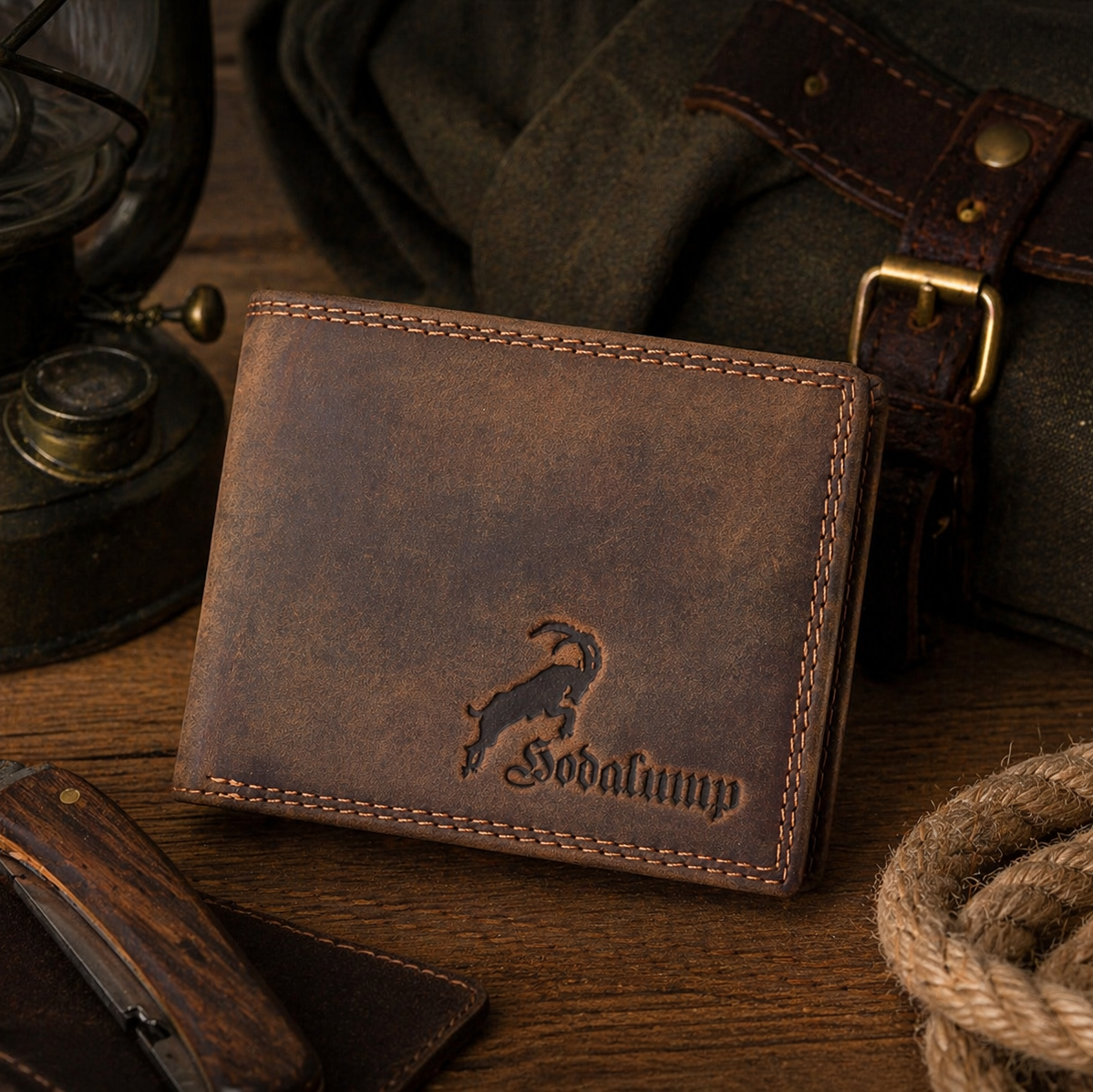
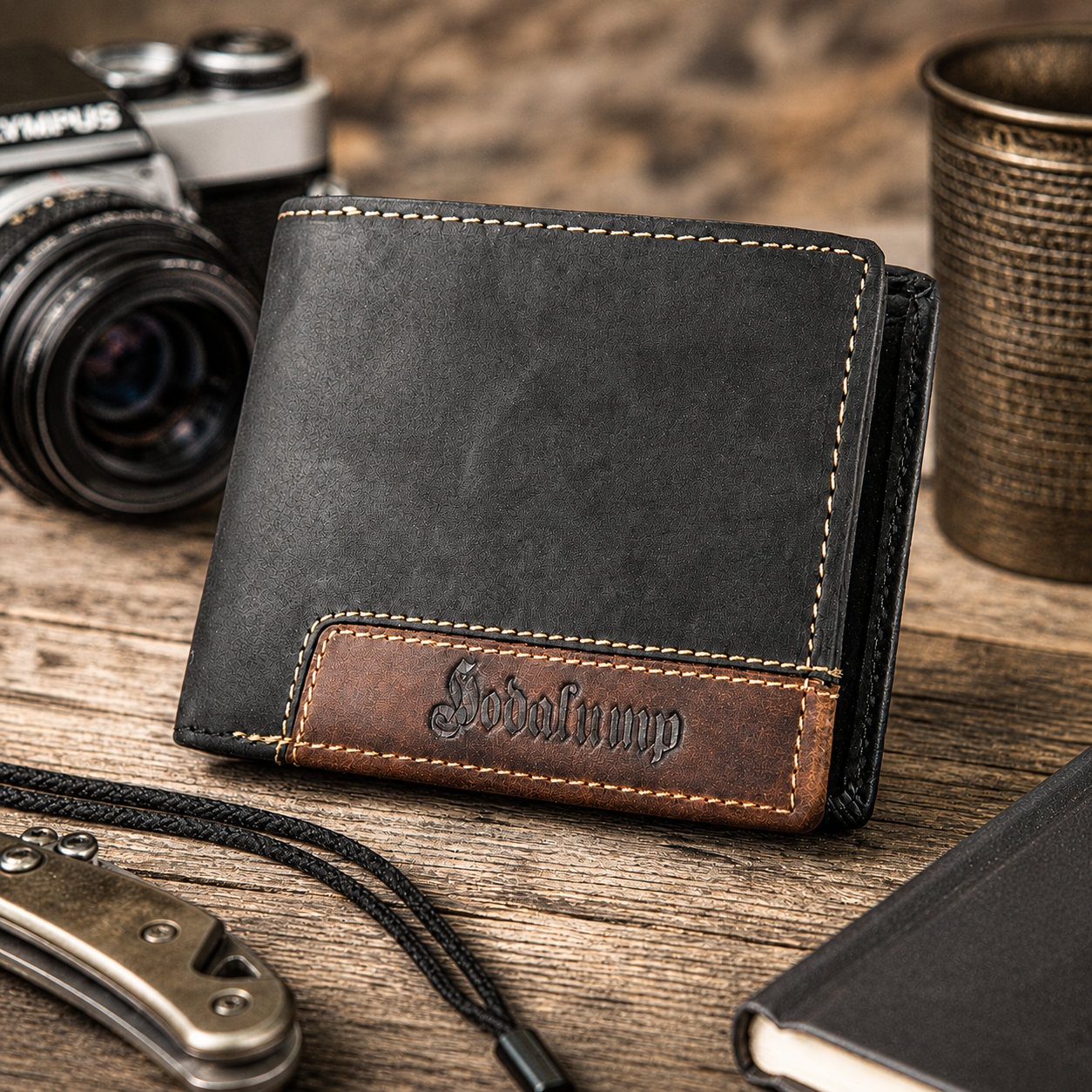
Wallet
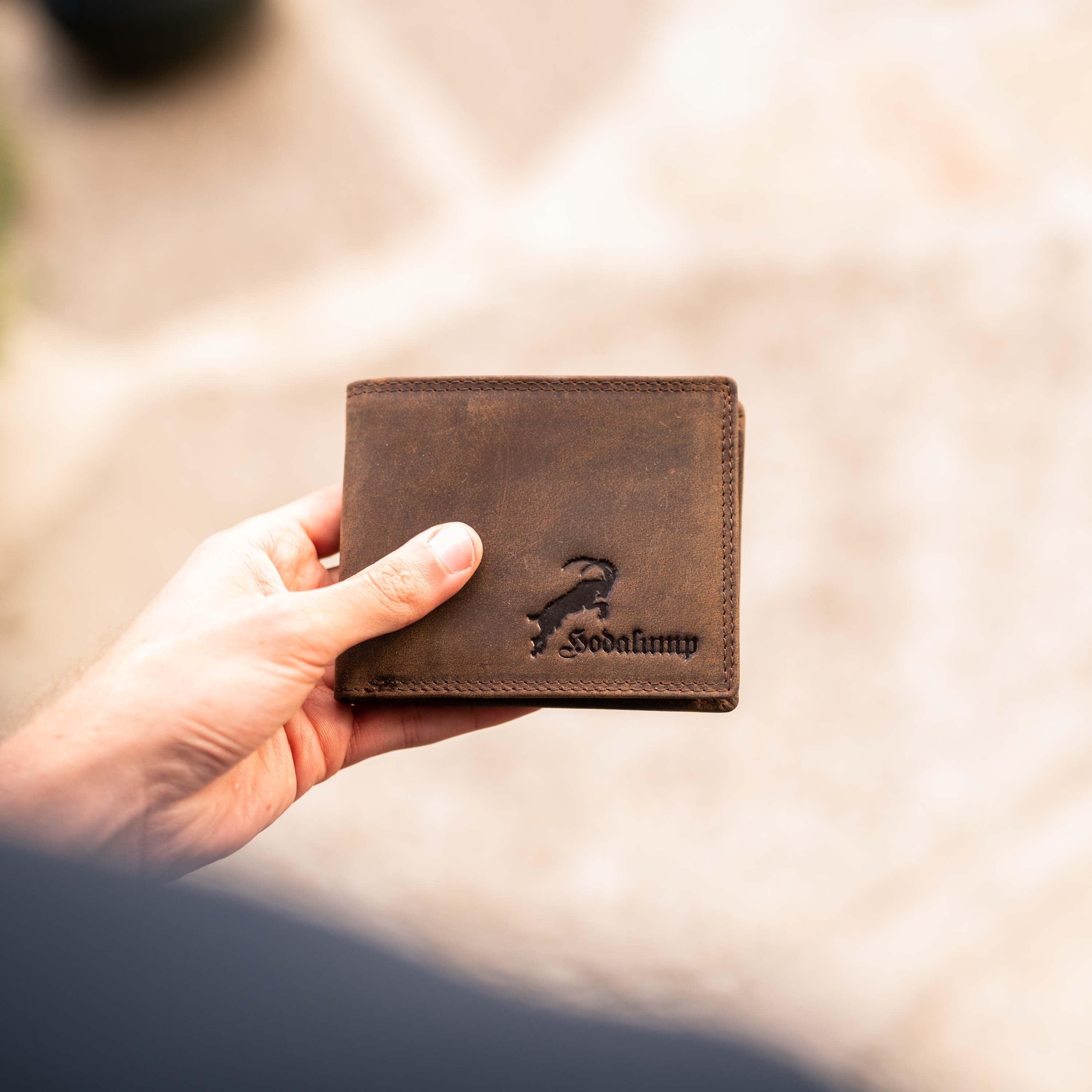
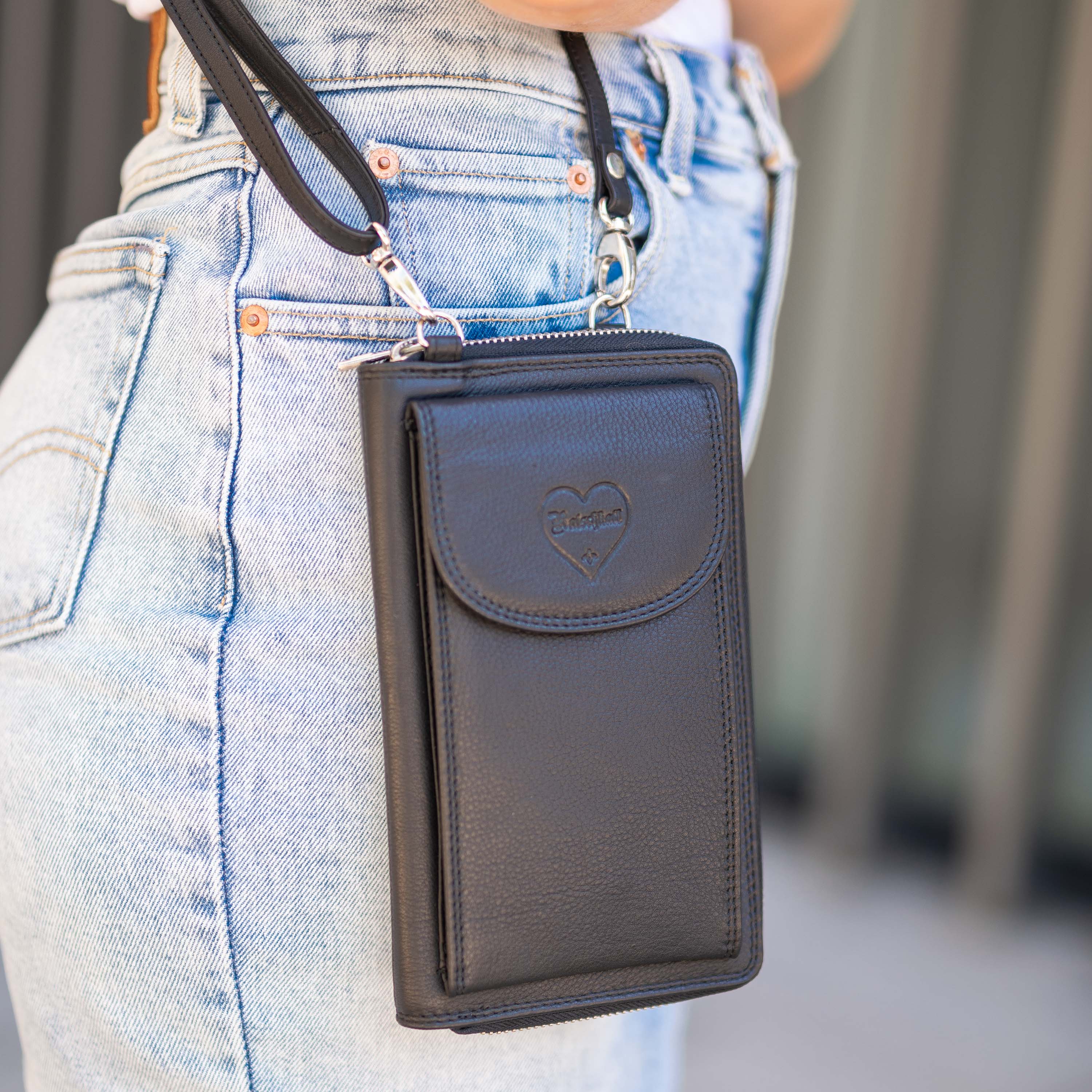
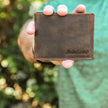
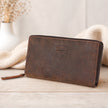
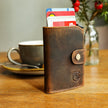
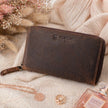
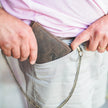
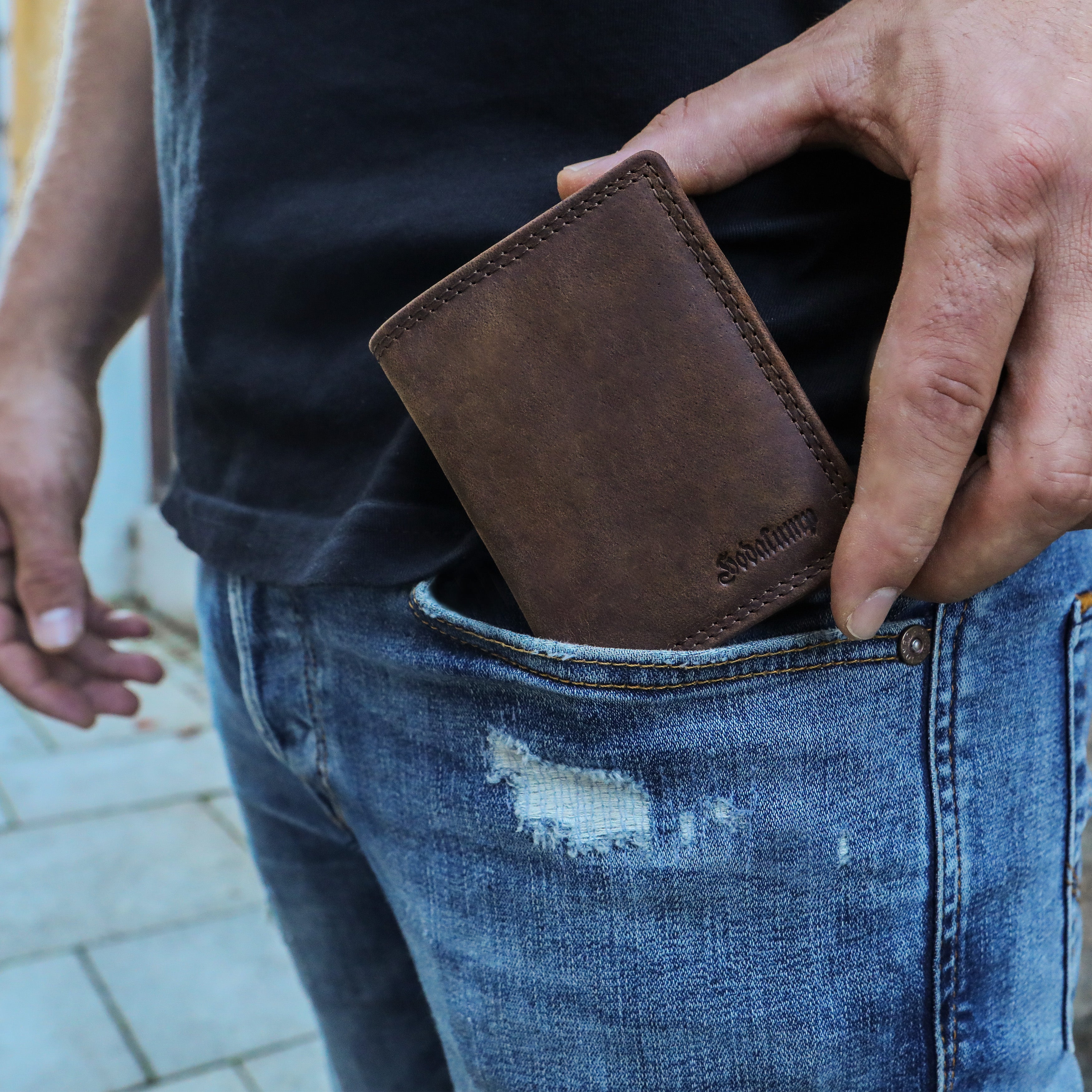
A wallet needs the least and the thinnest coat. It sits tight against your clothes, often right against your body, and anything that has not soaked in will rub off — particularly unwelcome on light trousers. Grease goes on the smooth leather on the outside only. Leave the lining, the card slots and the coin pocket out of it: greased leather softens and stretches, and a card slot that stretches will not hold the card any more. After applying, leave the wallet lying open rather than filling it straight back up.
Bag
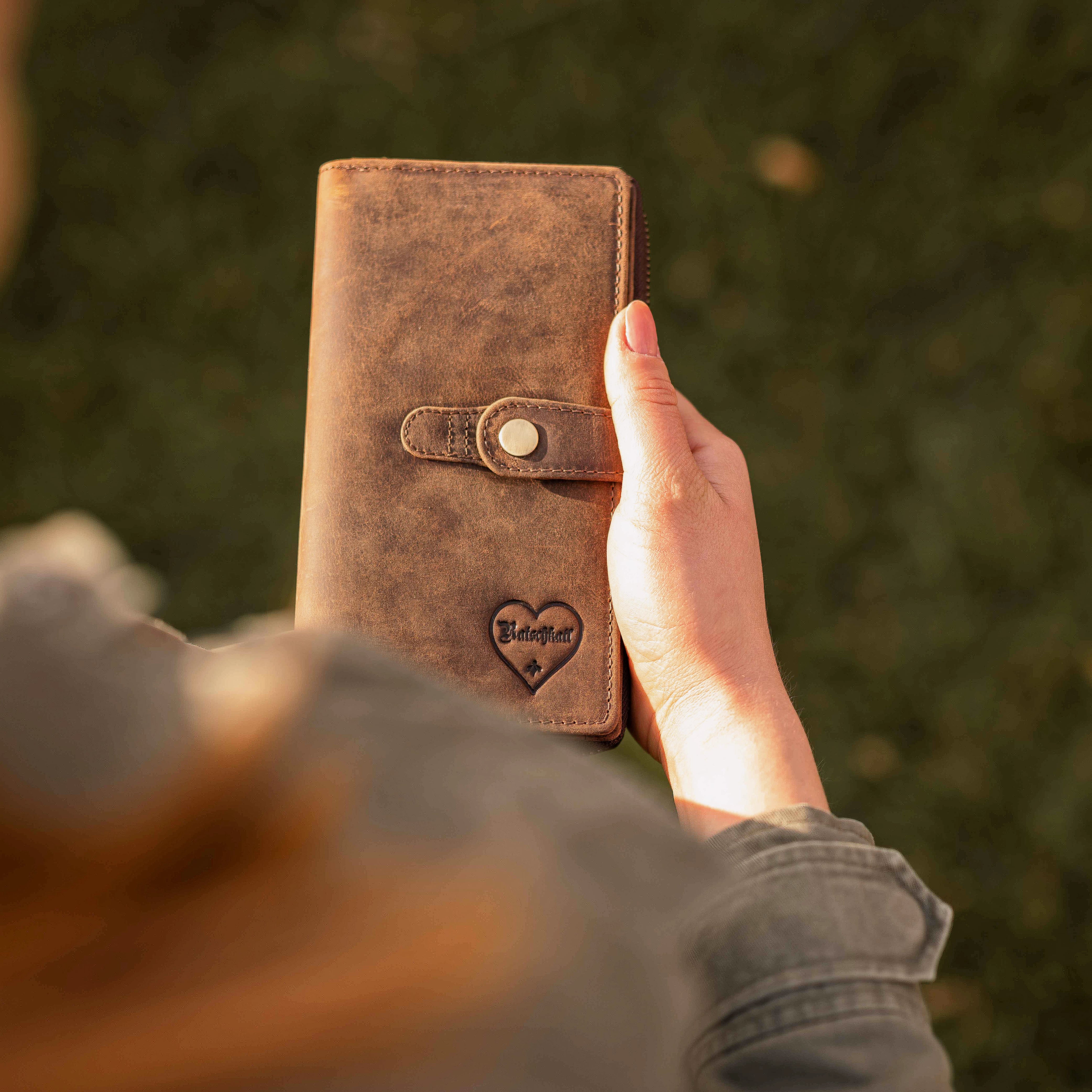
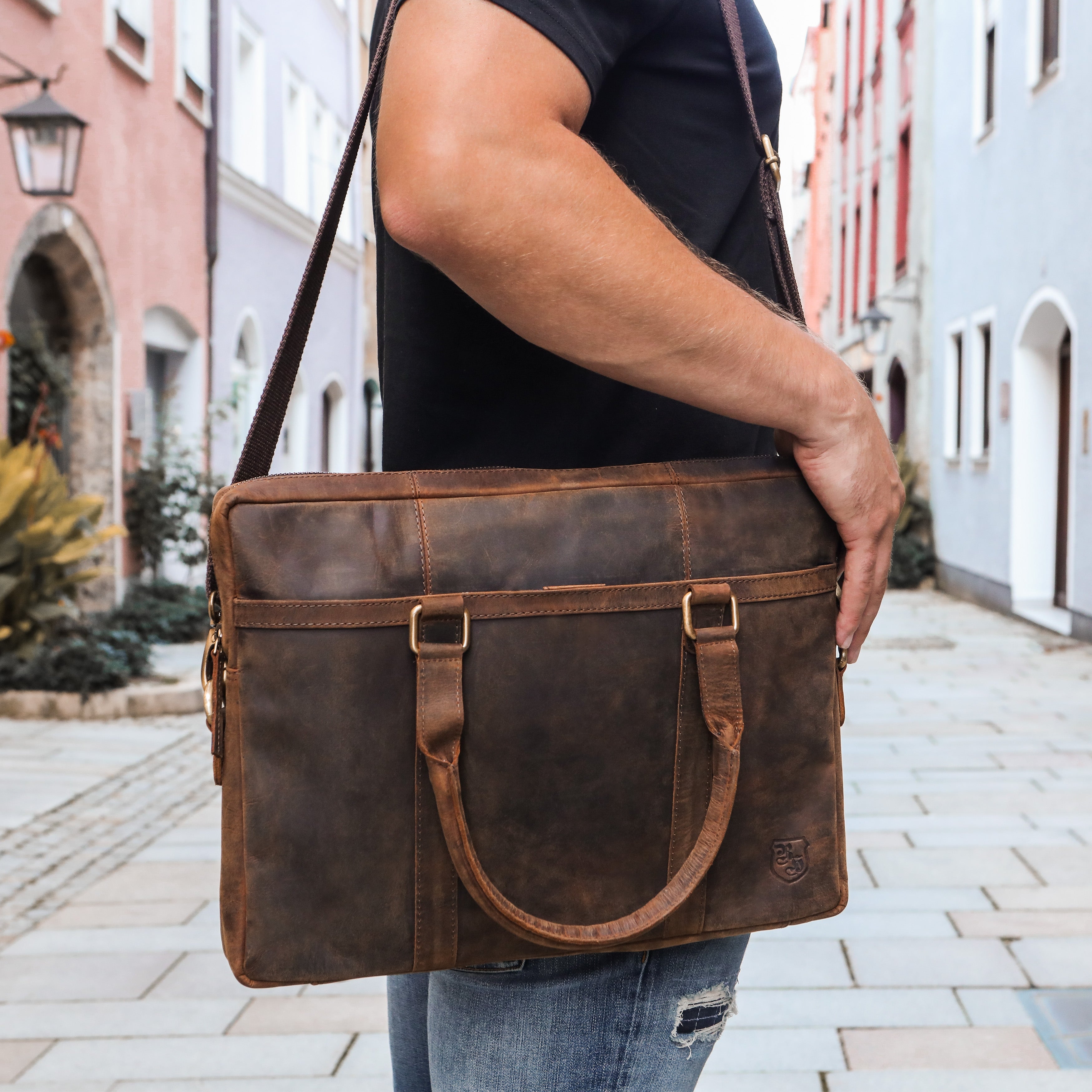
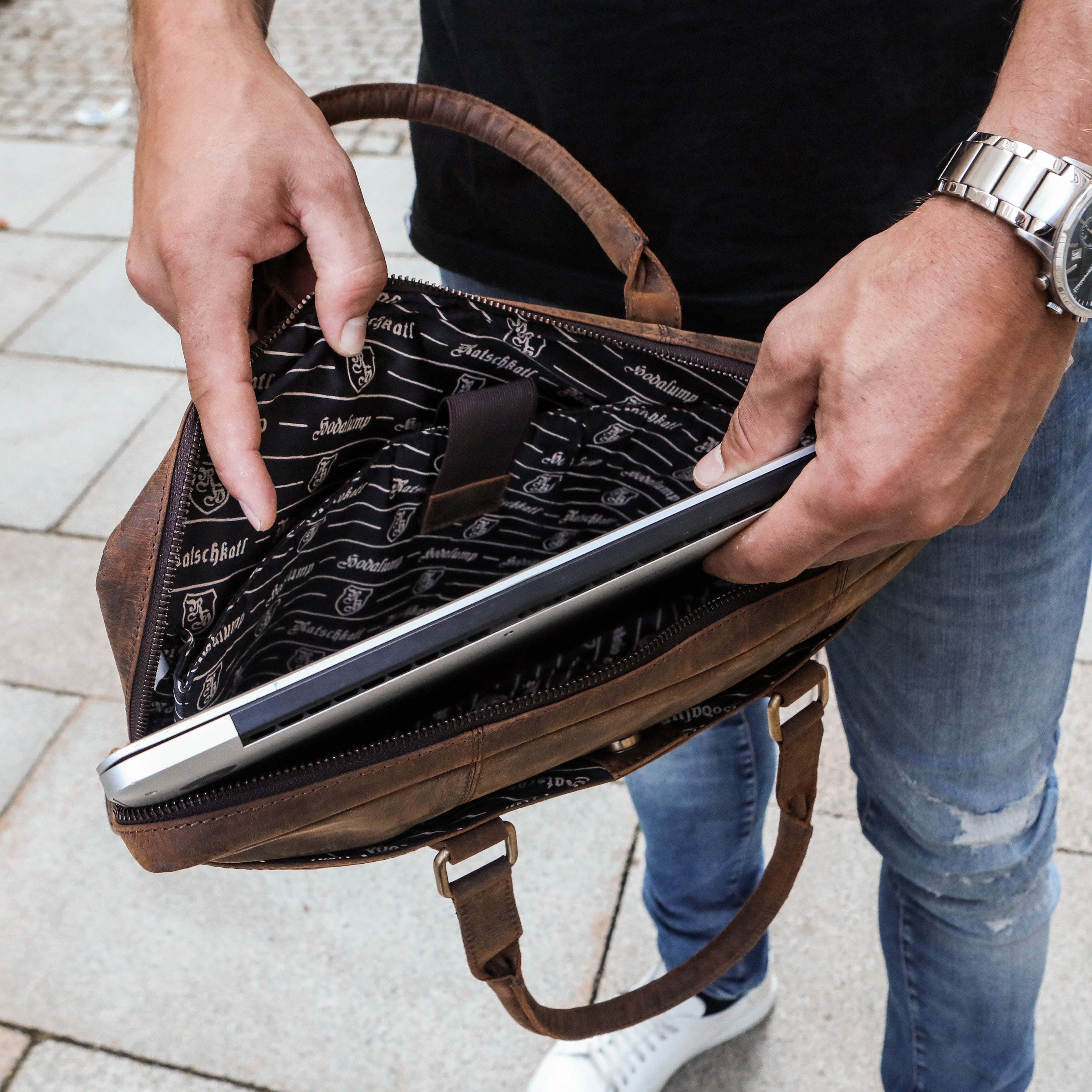
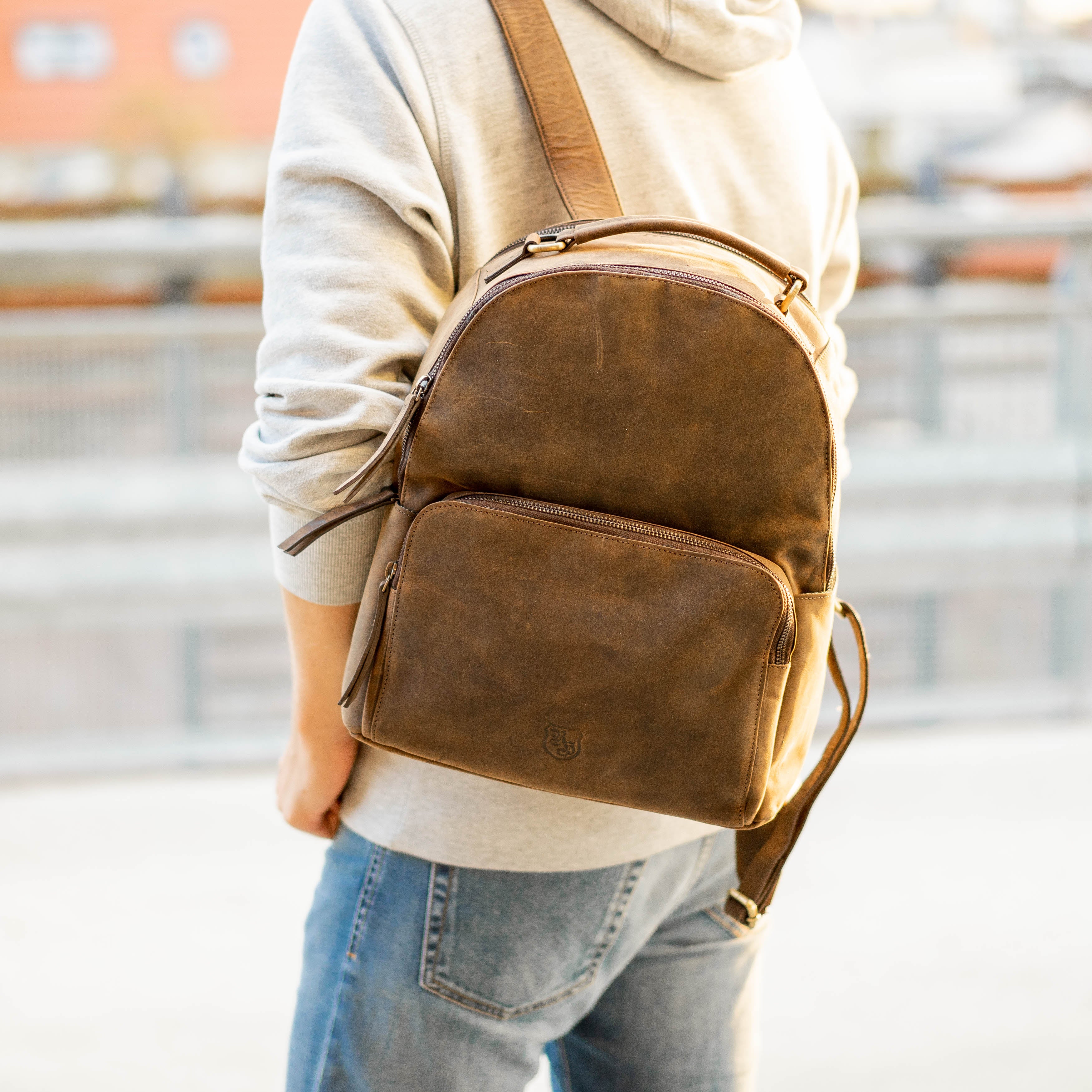
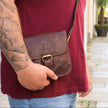
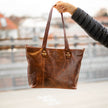
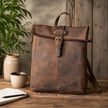
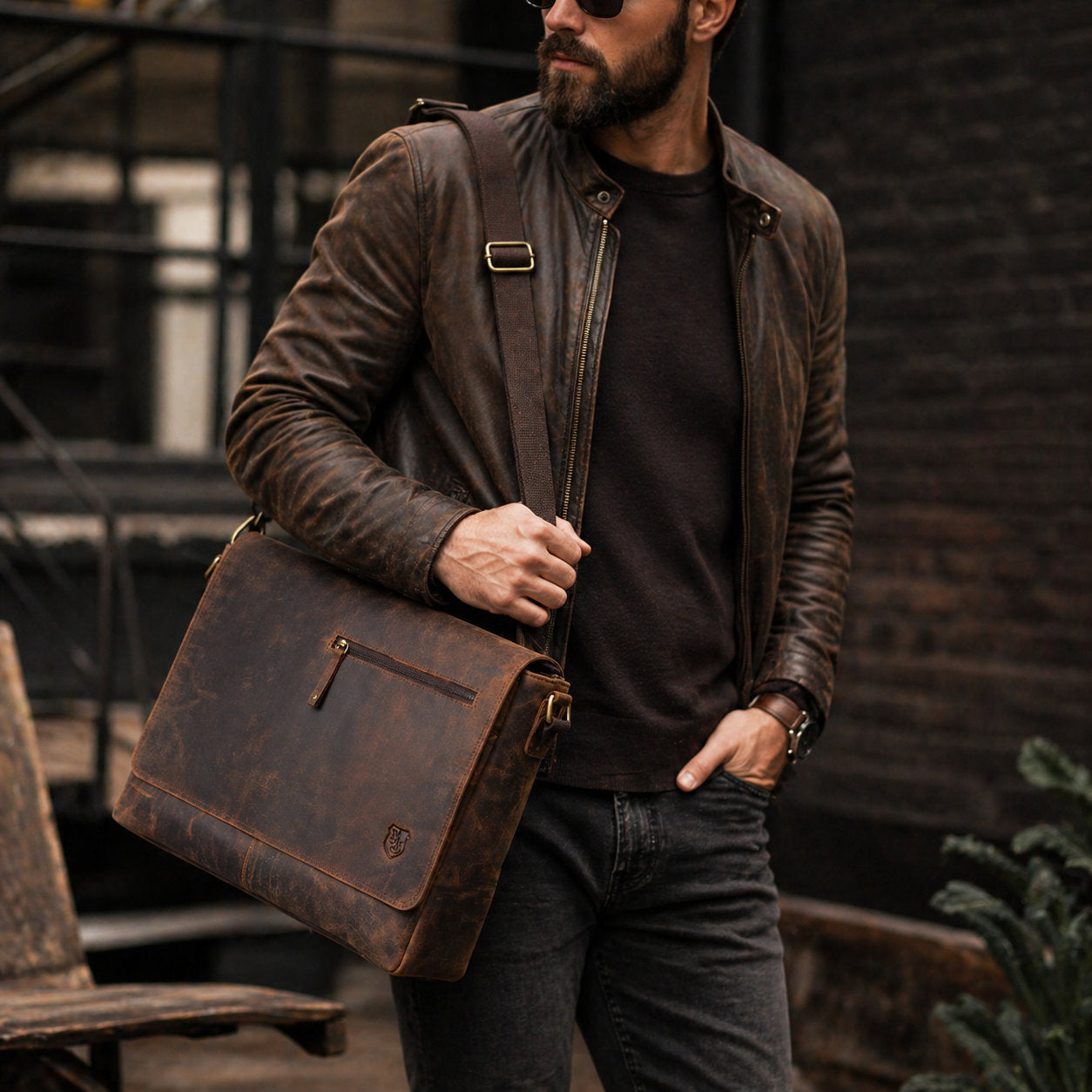
With a bag you start where it works hardest: the carrying strap, the corners, the base and the transitions to the fittings. The strap is almost always the part that dries out and cracks first, because it moves with every step. Leave the lining out of it and wipe down any metal fittings afterwards. And do not immediately load the bag back up — the weight presses the grease into the creases instead of letting it soak in evenly. You can see which models are worth the effort among the leather bags.
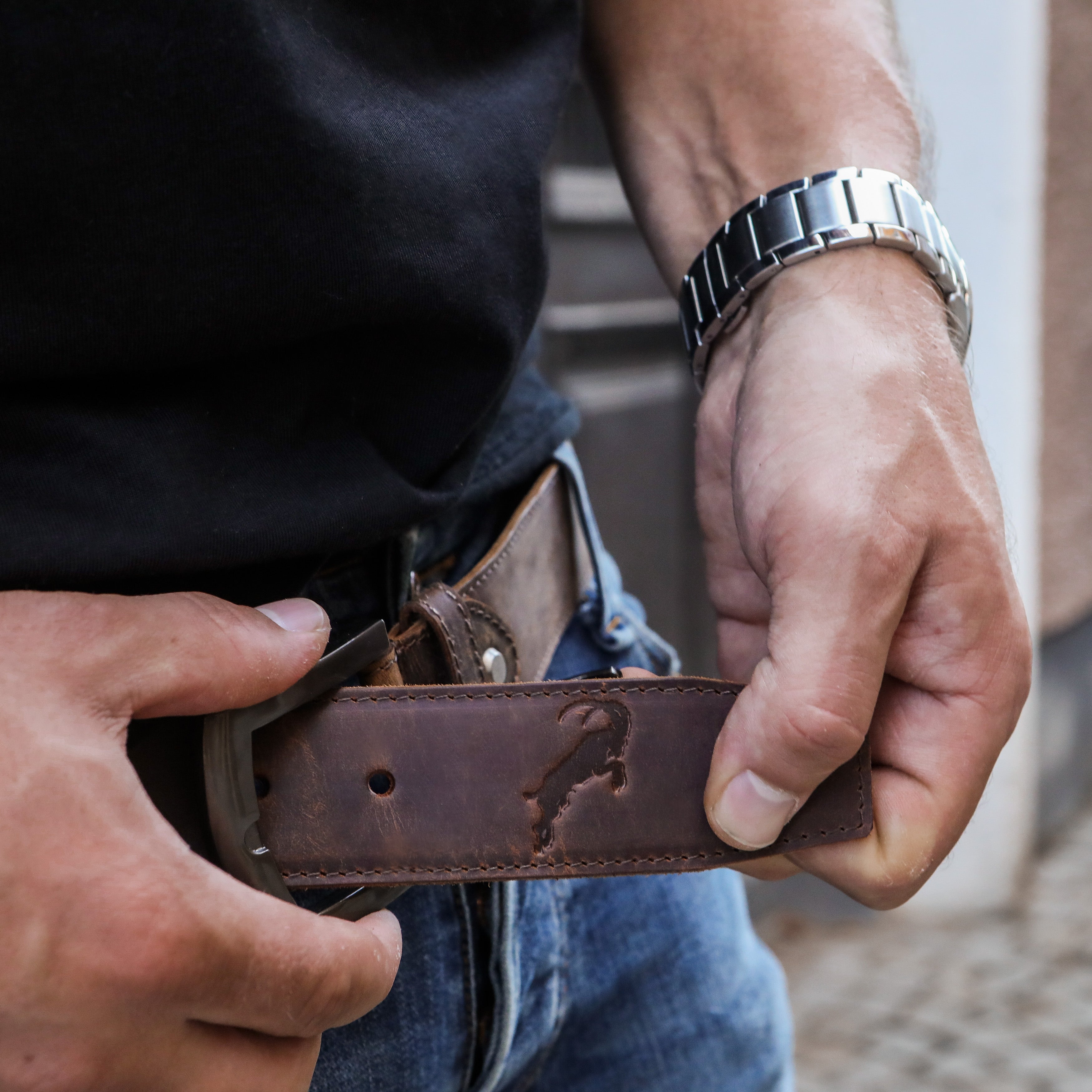
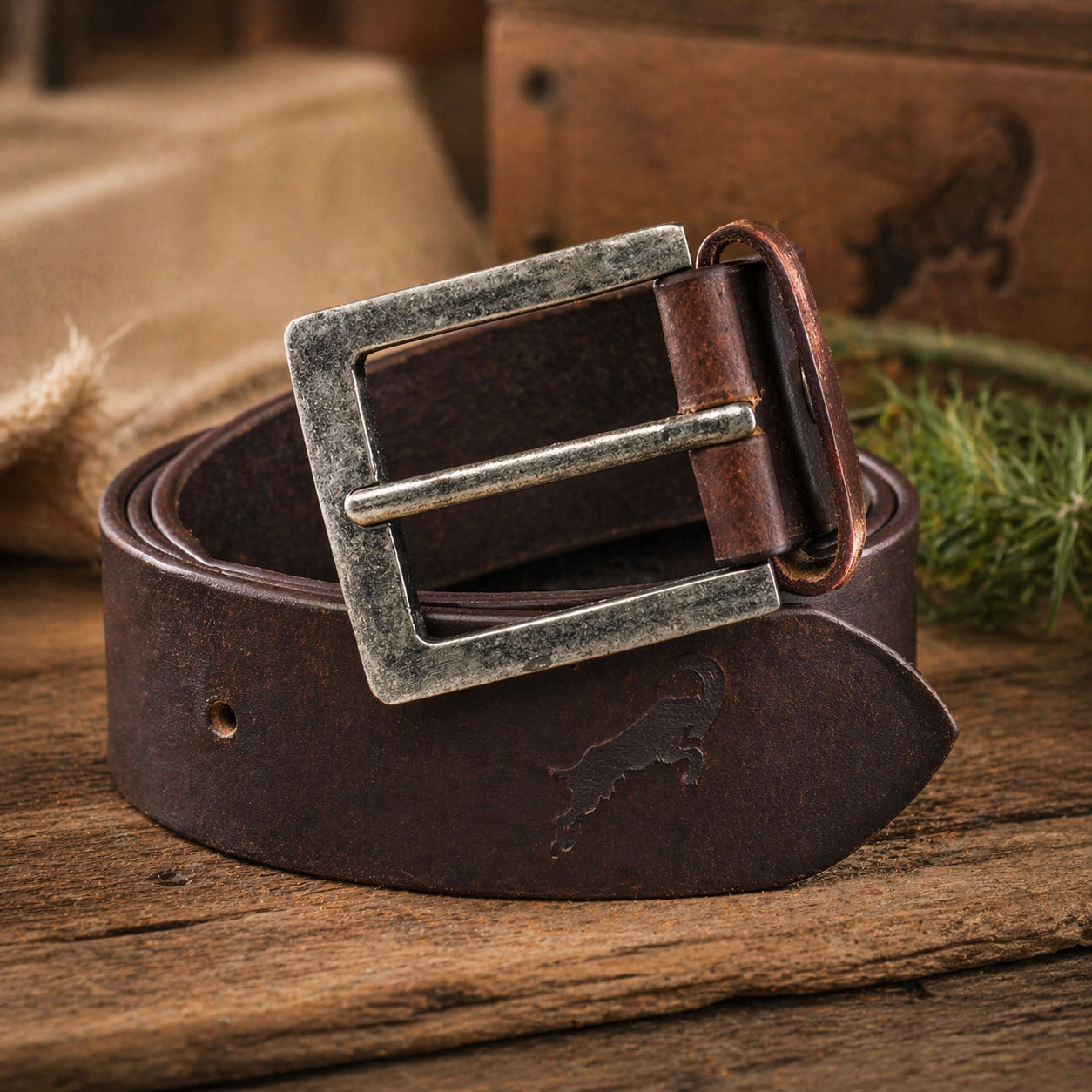
Belt
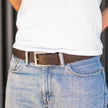
The belt is the hardest-worked piece of leather in daily life: it gets bent every time you put it on, punched in the same place and sits permanently under tension. Feed both sides here, expressly including the inside, which rubs against your clothing and is easily forgotten. The area around the holes and the fold at the buckle need particular attention. Afterwards leave it lying flat or loosely coiled rather than tightly rolled, so the grease does not gather in the folds. And do not wear it while it still feels slick. You will find models and waist sizes among the leather belts.
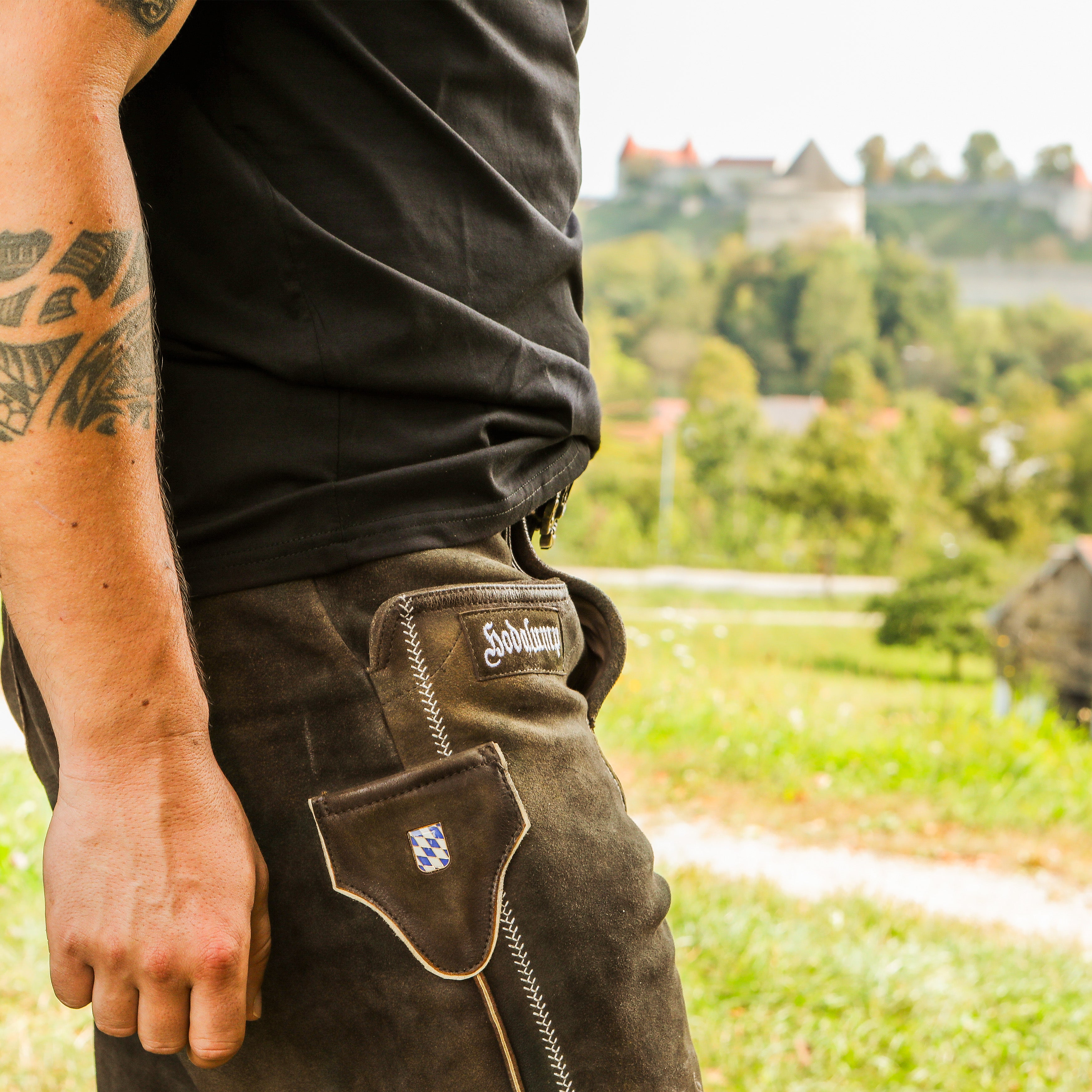
Lederhosen
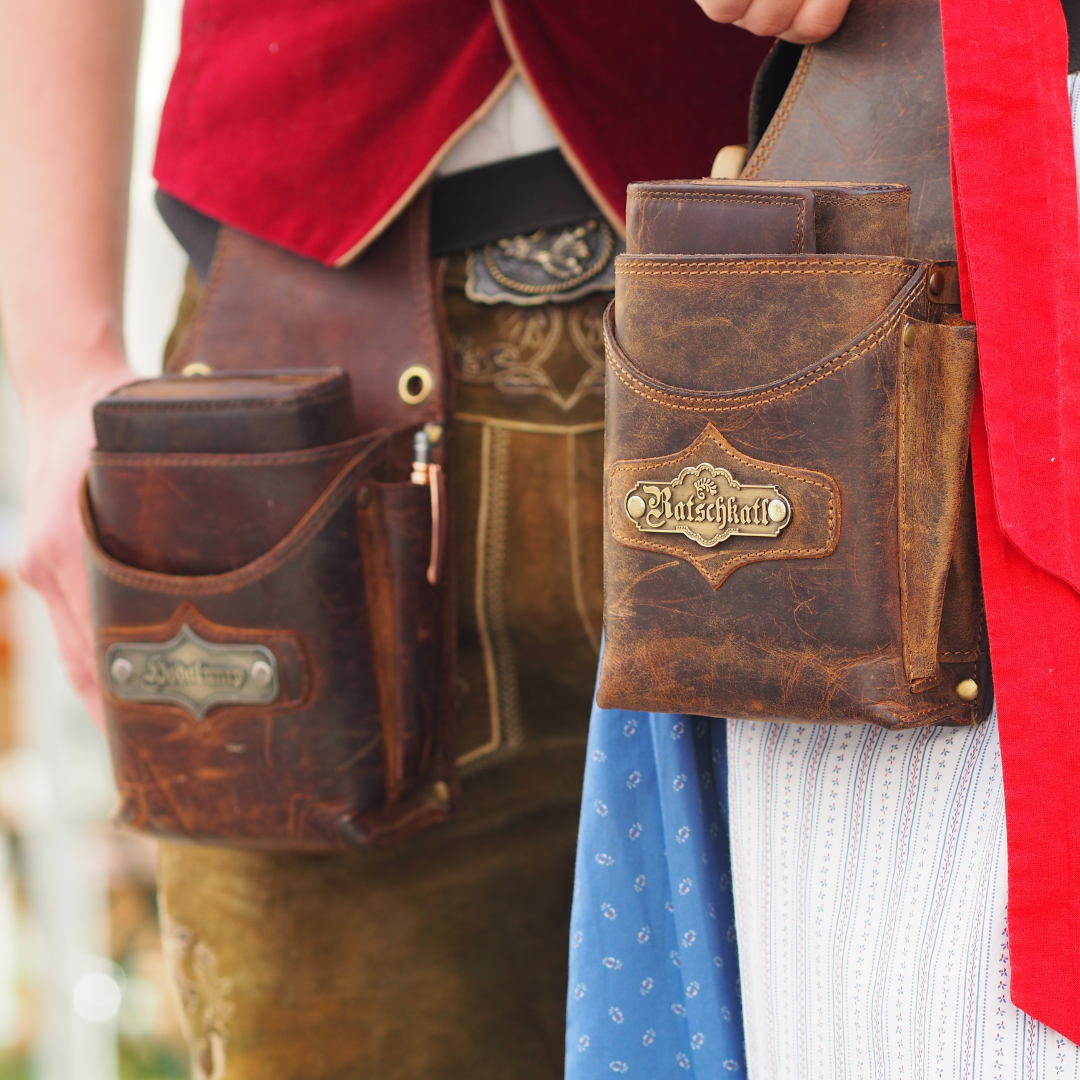
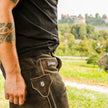
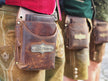
Care is needed here, more than with anything else on this page. First check what surface your lederhosen — the traditional Bavarian leather breeches — actually have. If they are smooth, the instructions above apply: very thin, tested on a hidden spot, given plenty of time to soak in, because lederhosen sit directly against your skin when worn. If the surface is velvety and rough, no grease belongs on it: it darkens the surface heavily and turns that matt feel into a slick one.
The second point is a matter of taste. Lederhosen are meant to darken over the years and take on a patina of their own — that is rather the point of them. Grease speeds that up. So if you want to keep the light tone for as long as possible, feed them less often and more sparingly; if you want the dark patina, do it more often. Both are right, just not at the same time. If you are not sure which surface you have in front of you, do ask before you start; the models are listed under lederhosen.
How often should you re-feed?
There is no calendar that works for everyone. What there are, are occasions:
- Whenever one of the signs above shows up.
- After any real soaking — once the piece has dried completely in the air, not before.
- Once before the wet season as a precaution, so that water and road salt have less to attack.
- After the Wiesn — Munich's Oktoberfest — when the lederhosen have been through a few days of it.
For a piece that goes everywhere with you, most people end up at roughly two to three rounds a year. For something that only comes out for special occasions, considerably less often. More frequent is not better: leather that is constantly fed goes soft and loses its shape.
Five mistakes you can spare yourself
- Too much at once. The most common mistake and the most annoying, because the excess stays tacky and binds dust.
- Applying it to wet leather. Let it dry completely first, otherwise you seal the moisture in.
- Helping things along with heat. Radiators, hairdryers and full sun make leather brittle, not more receptive.
- Feeding rough leathers. Suede, velour and nubuck need something else.
- Using it again straight away. As long as it feels slick, it will rub off.
In short
Clean it, test on a hidden spot, apply thinly, let it soak in for a few hours to overnight, take off the excess. Buff buffalo leather more thoroughly, dose nappa more sparingly, and leave rough leathers alone entirely. And twice thin beats once thick.
Do this a few times a year and a leather belt or a bag will last not a couple of seasons but years — and look better with time rather than worse. The leather grease for the job costs €8.95 and is good for a fair few rounds.