
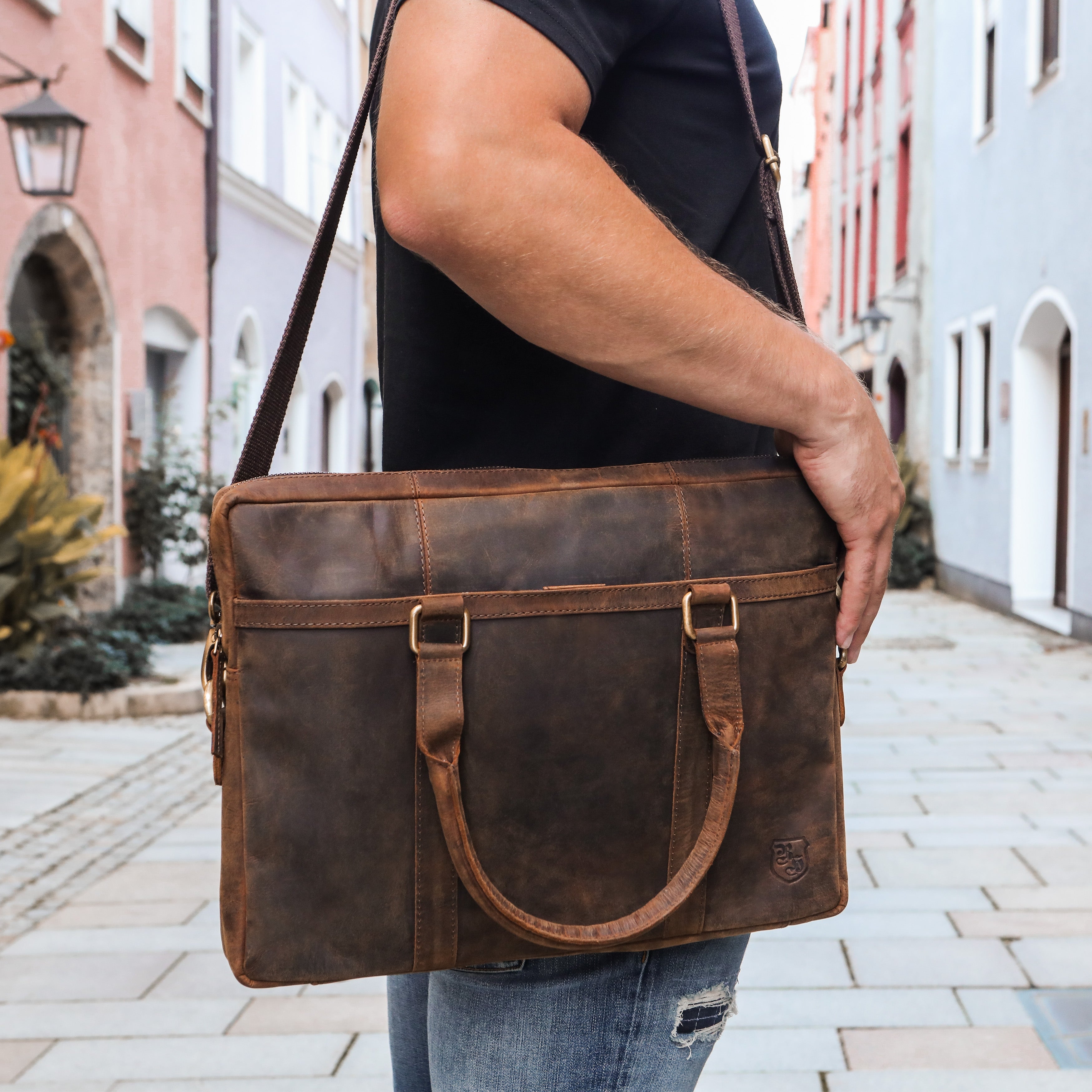
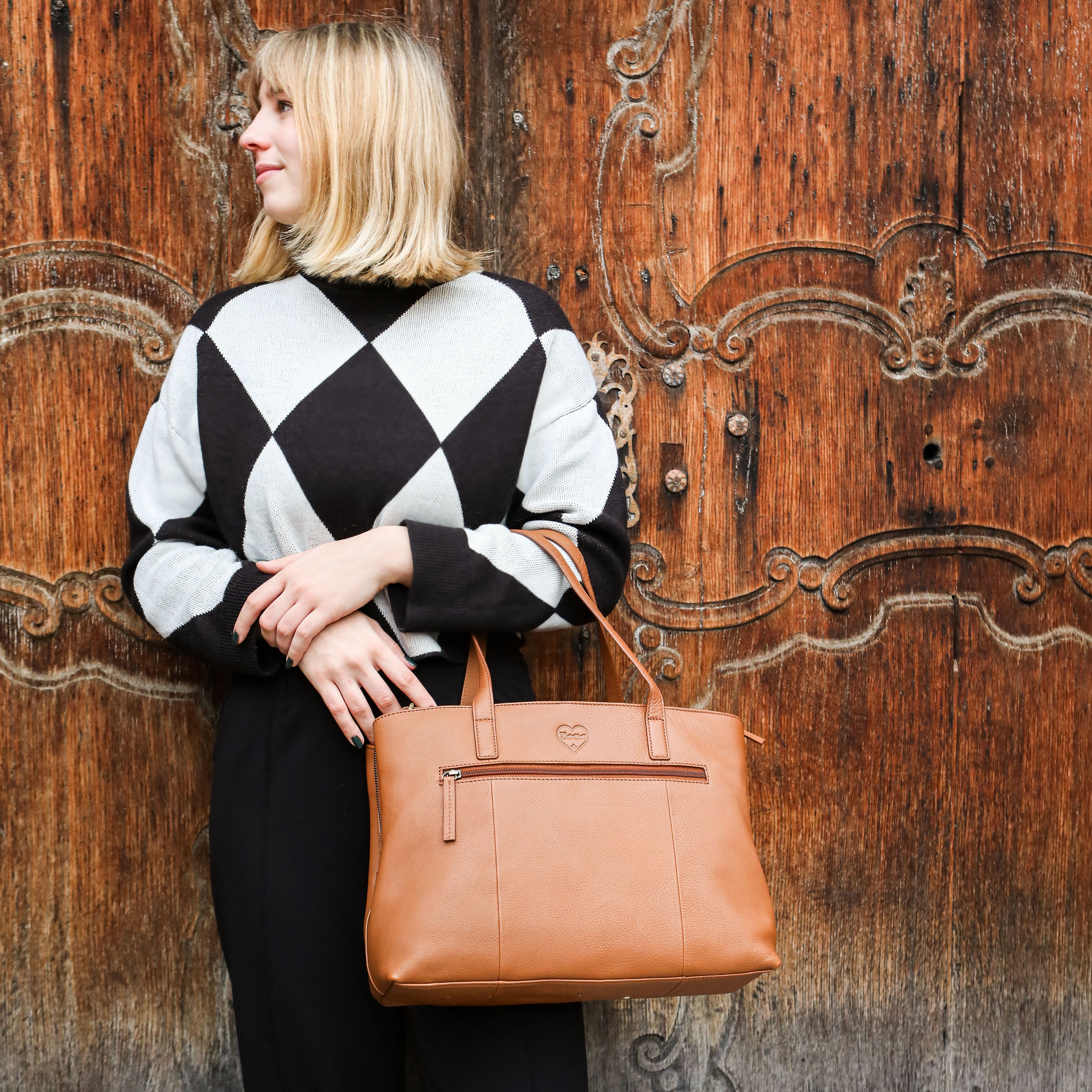
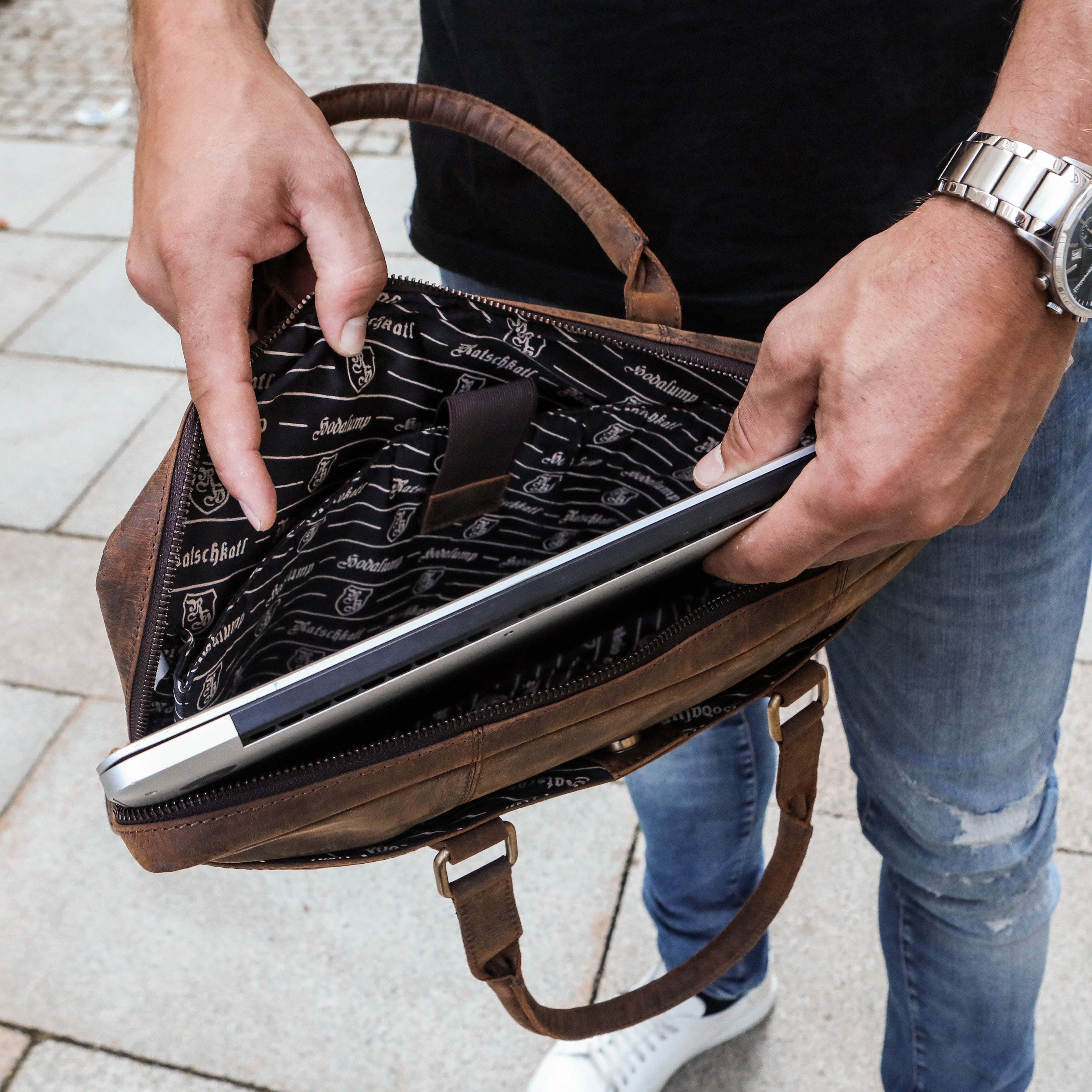
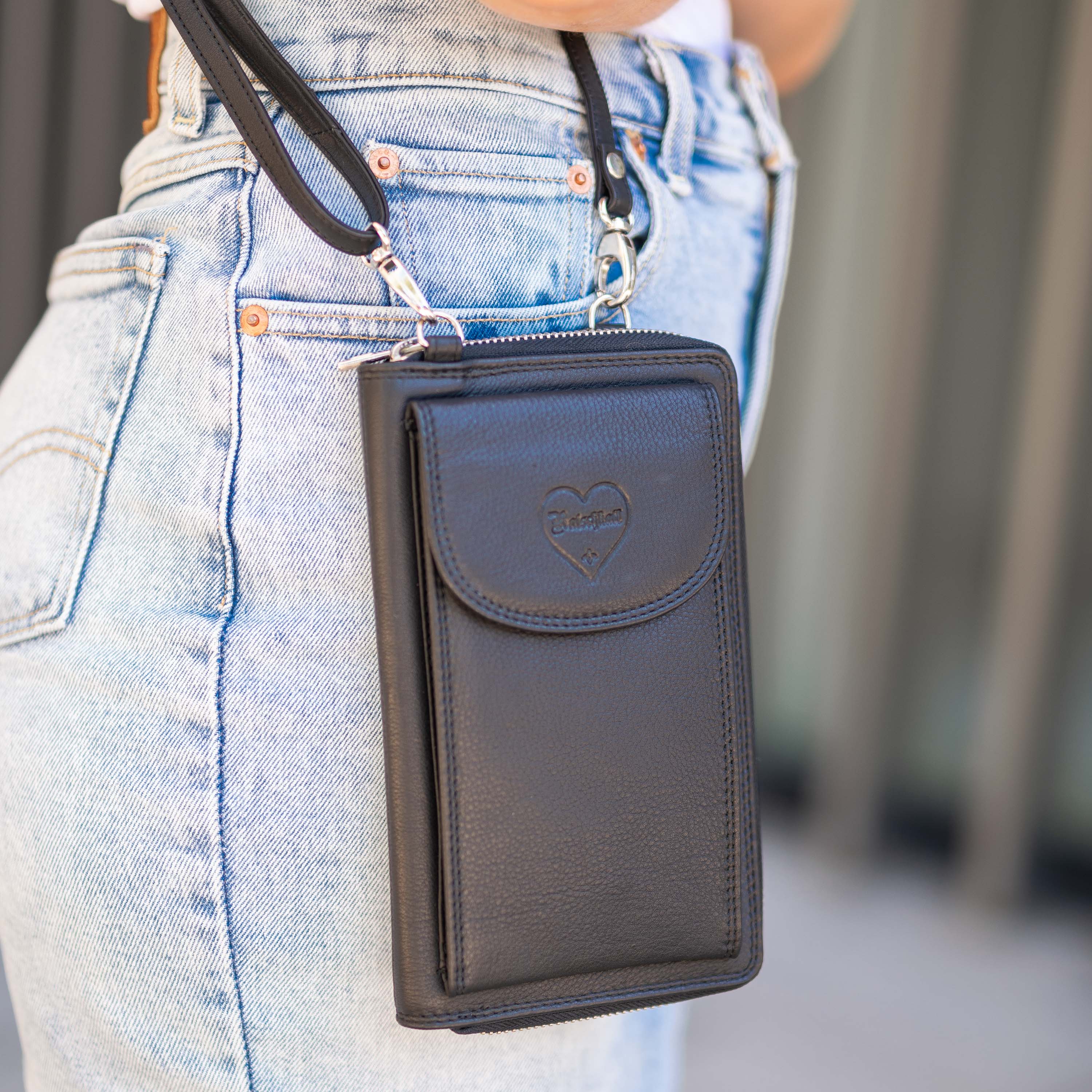
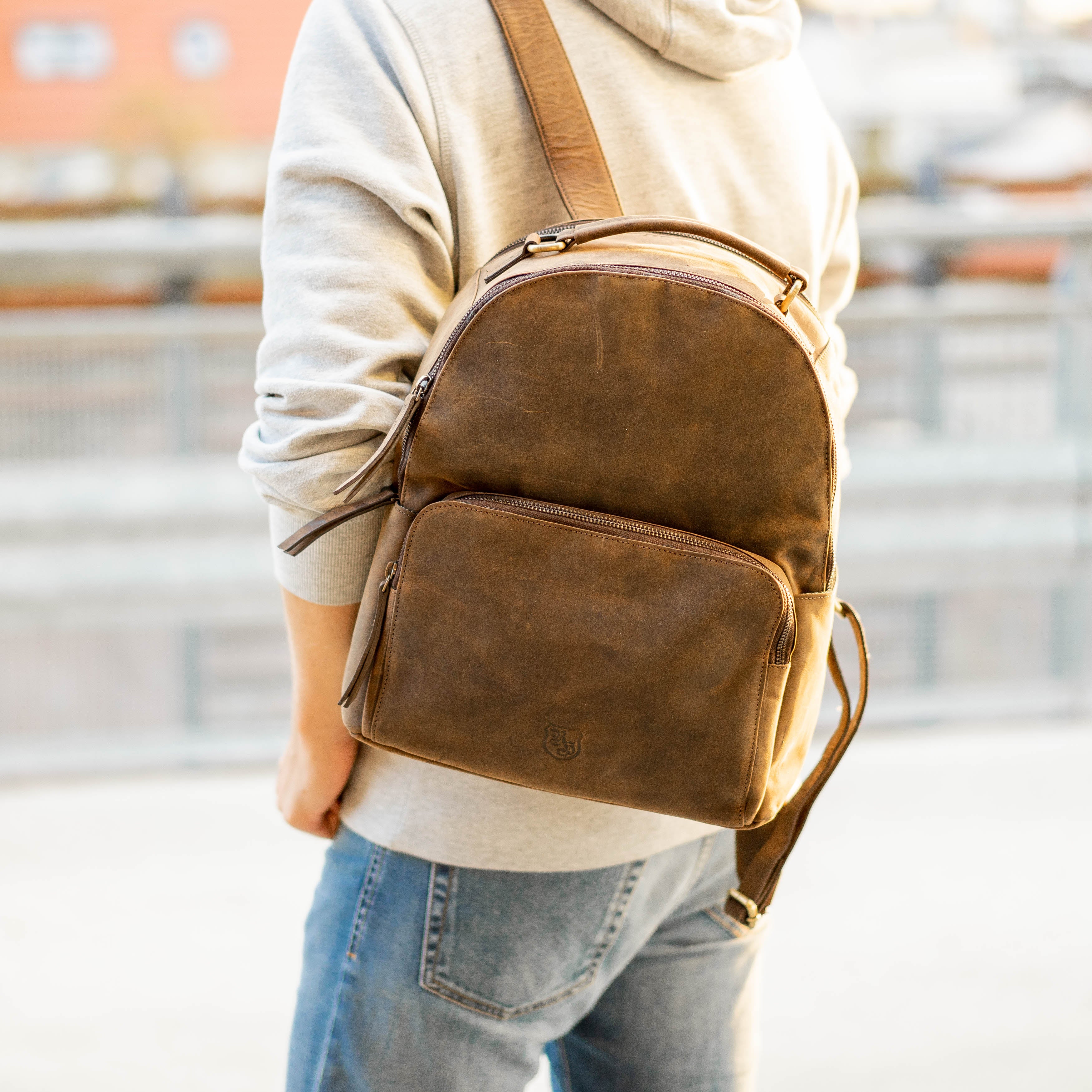
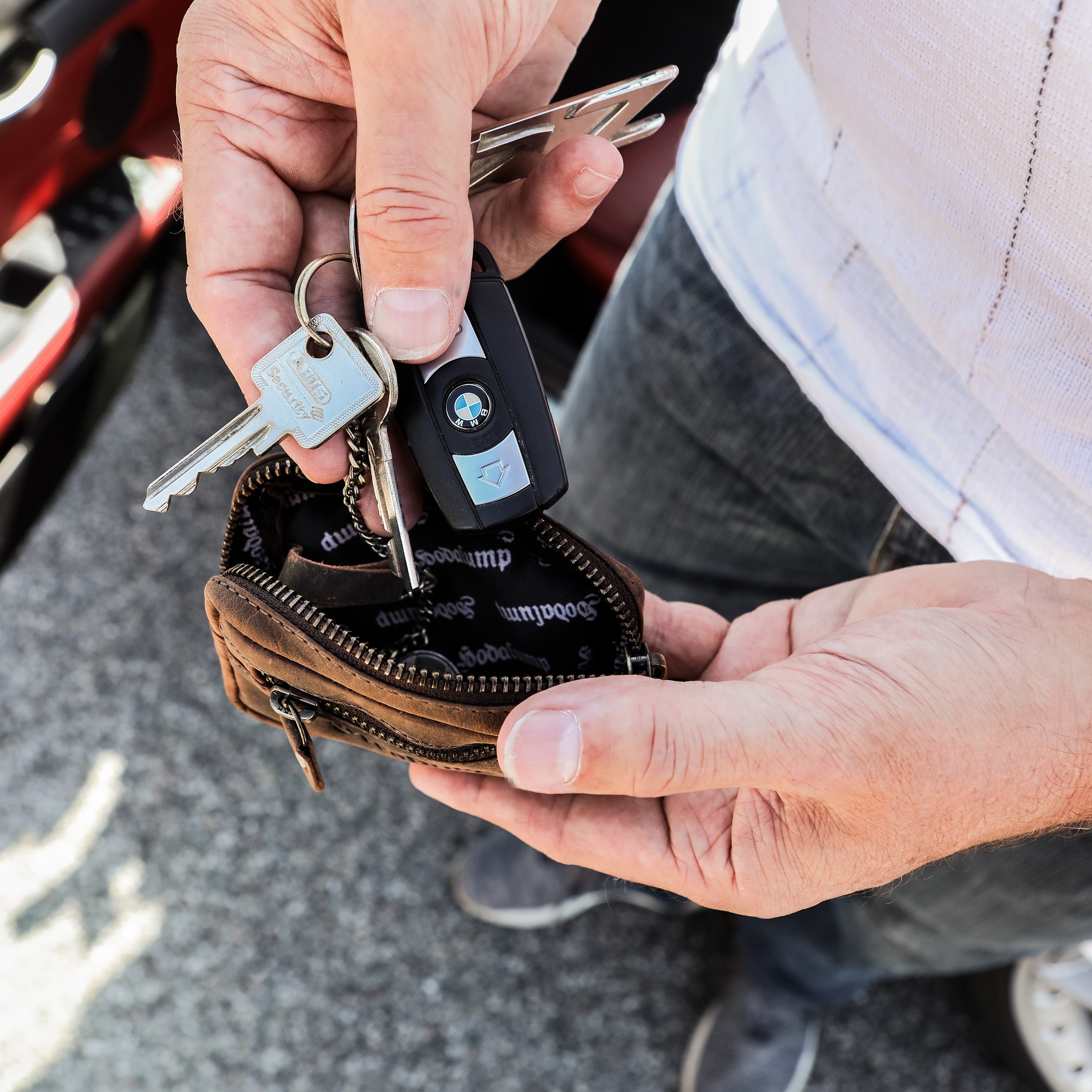
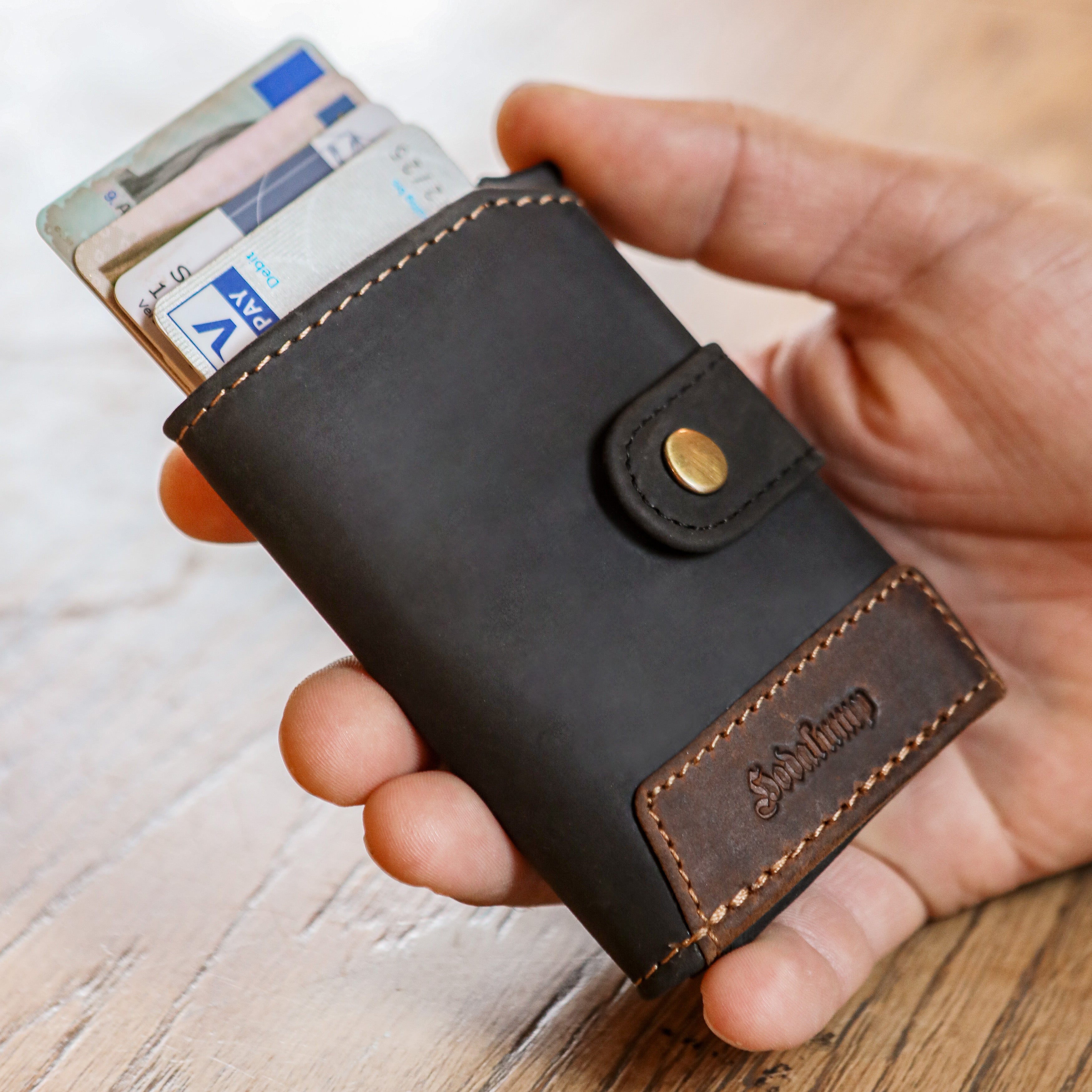
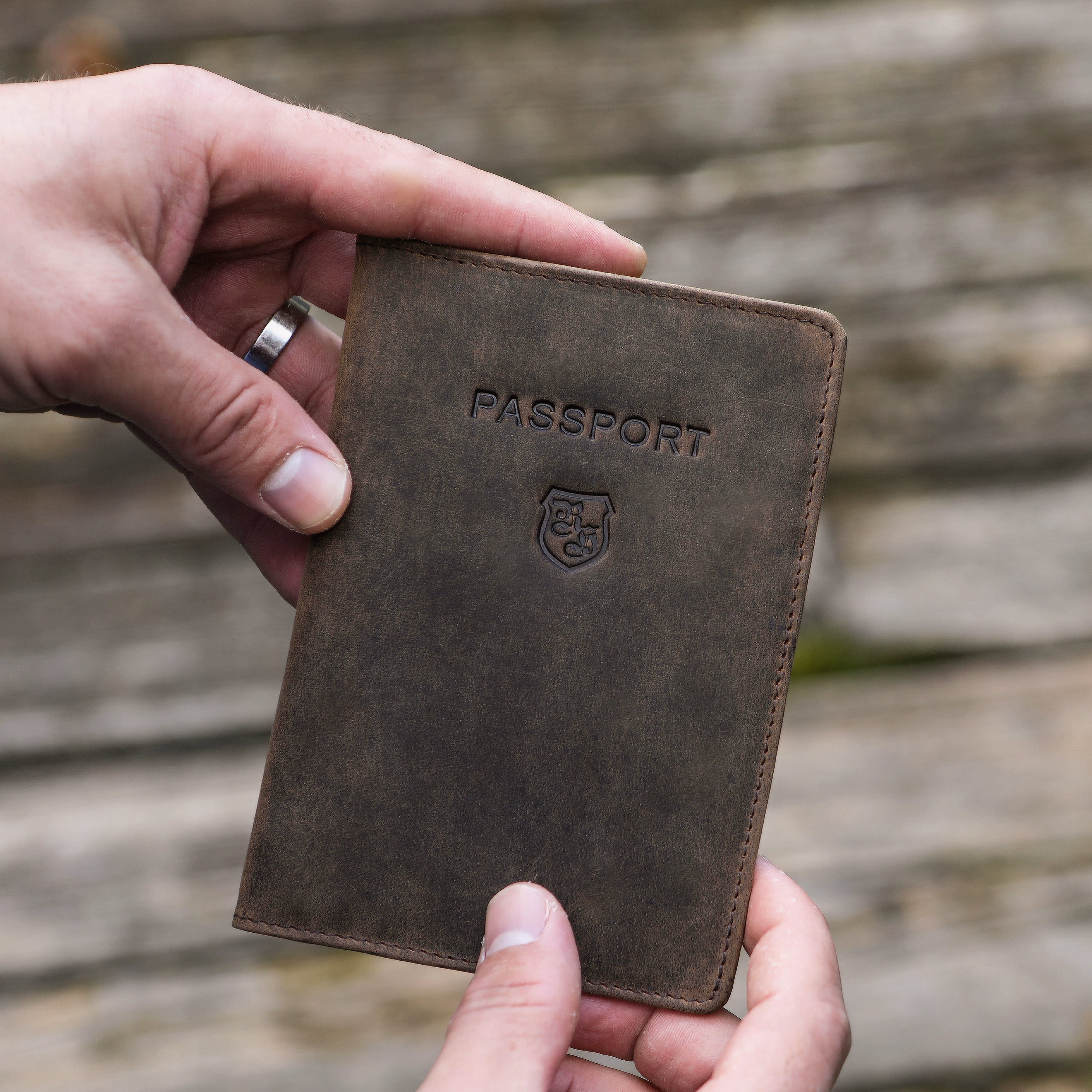









A passport case is a product nobody misses until they have owned one. The passport sits loose in a jacket pocket, the boarding pass is folded up next to it, and the card for the hire car is somewhere too. Then at boarding you are looking for three things at once.
Even so, the honest first question is not „which case" but: do you need one at all? For a week in Mallorca with one passport and a boarding pass on your phone, probably not. For two adults, two children and a hire car, rather more likely.
What a passport case is good for — and what it isn't
It can do three things. First, it keeps the passport flat and free of creases instead of letting it curve in a trouser pocket. Second, it holds everything that belongs together at the airport in one place — passport, ID card, ticket, one card, a little cash. Third, you recognise it by the material when you reach into your bag, without having to look.
What it can't do: it does not protect you against loss. It does not make the check any faster, because the passport has to come out anyway. And it does not replace a wallet — pack all your everyday money into the case and you end up with both in one place, which is exactly the situation you want to avoid when travelling.
If a seller throws in security promises with the case, be sceptical. There is nothing in the product data about shielding or RFID protection for these cases, and we are not claiming anything that isn't there. If you are specifically looking for a wallet with RFID protection, you will find those in the dedicated collection.
What actually belongs inside
What frequent flyers do in practice is fairly consistent. Into the case goes whatever is needed at the gate:
- the passport — with families, all of them in one case is fine, then the check goes through in one go
- the national ID card, if the return journey is within Europe
- the boarding pass, if it has been printed out
- one credit card, not all of them
- a little cash in the local currency, folded
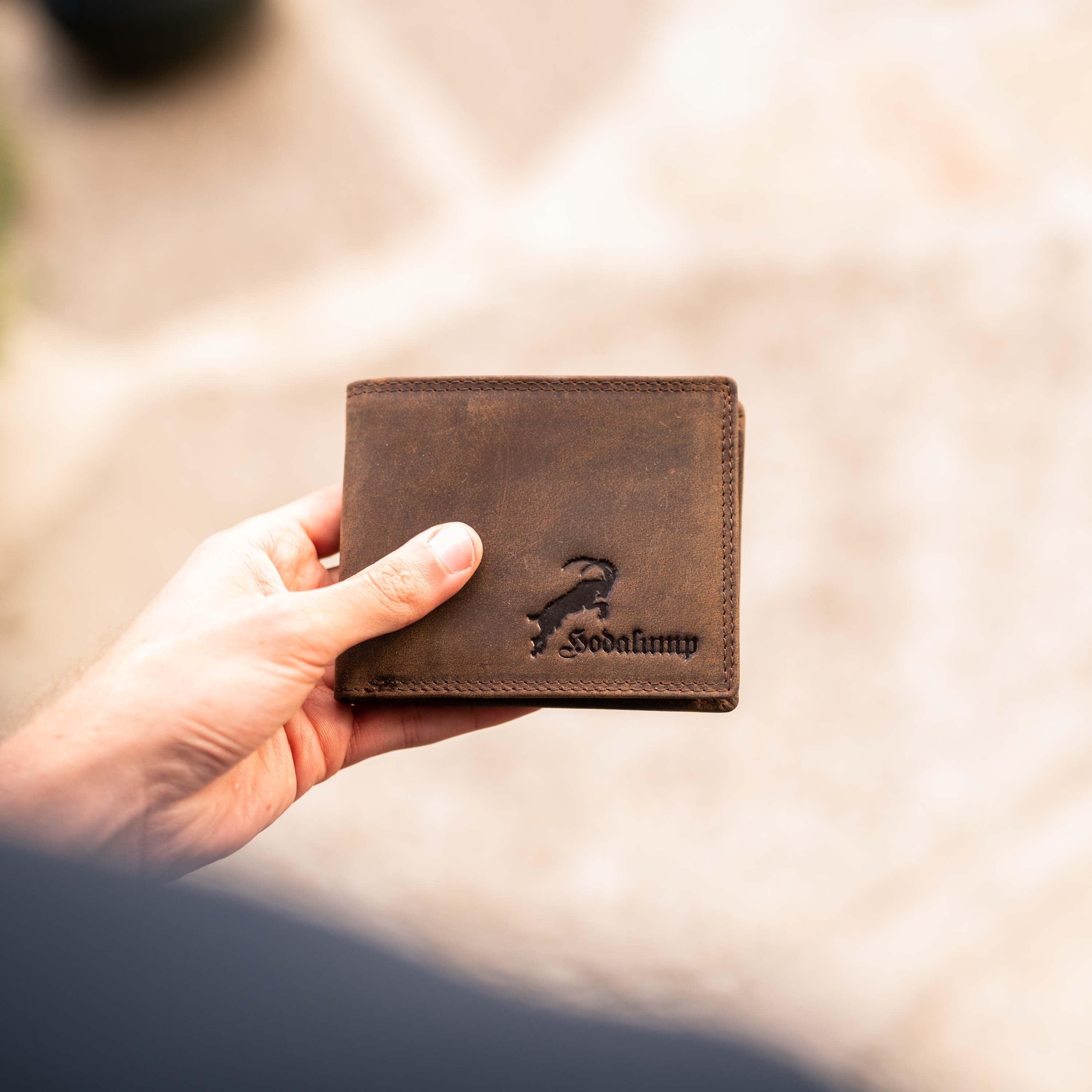
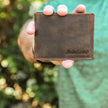
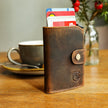
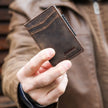
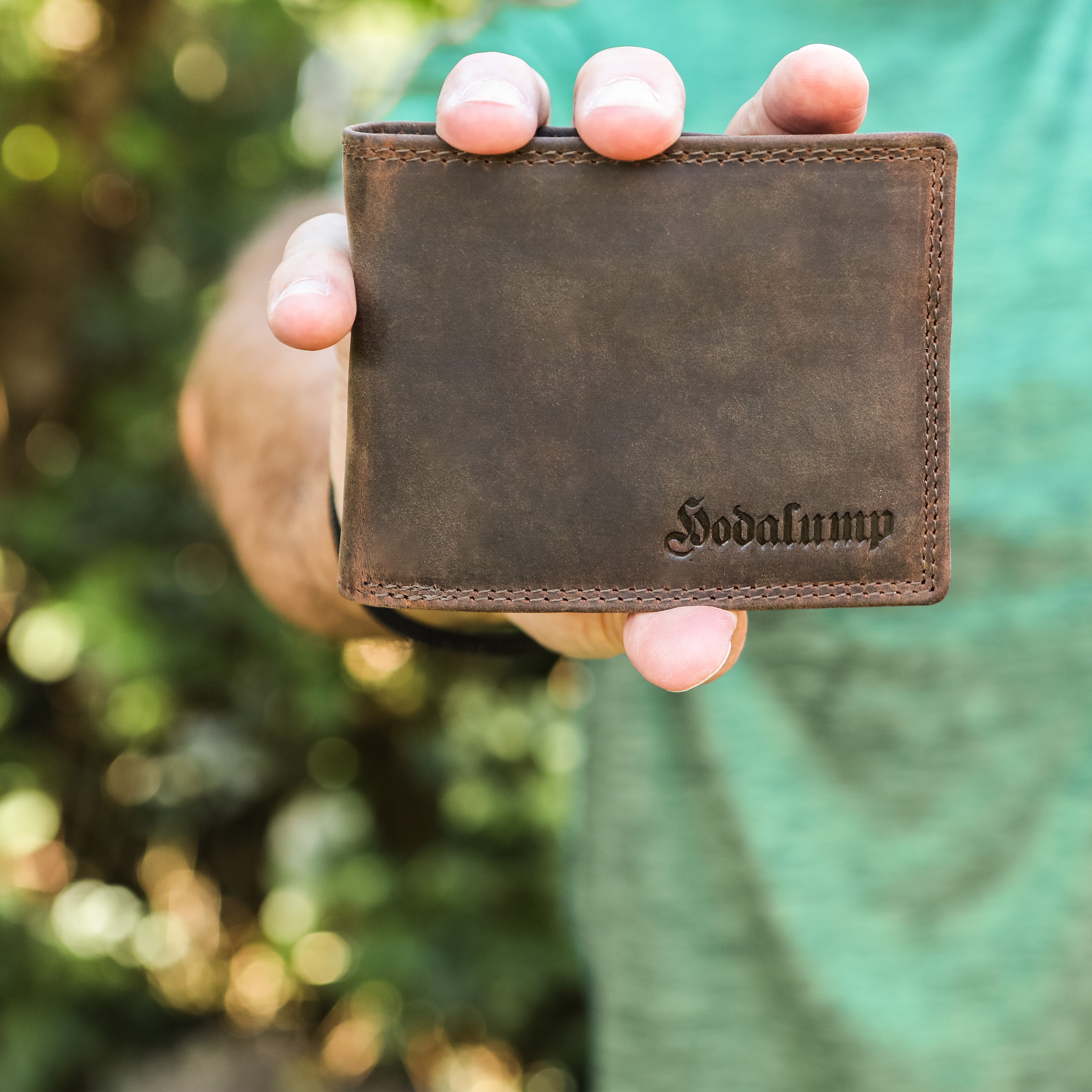
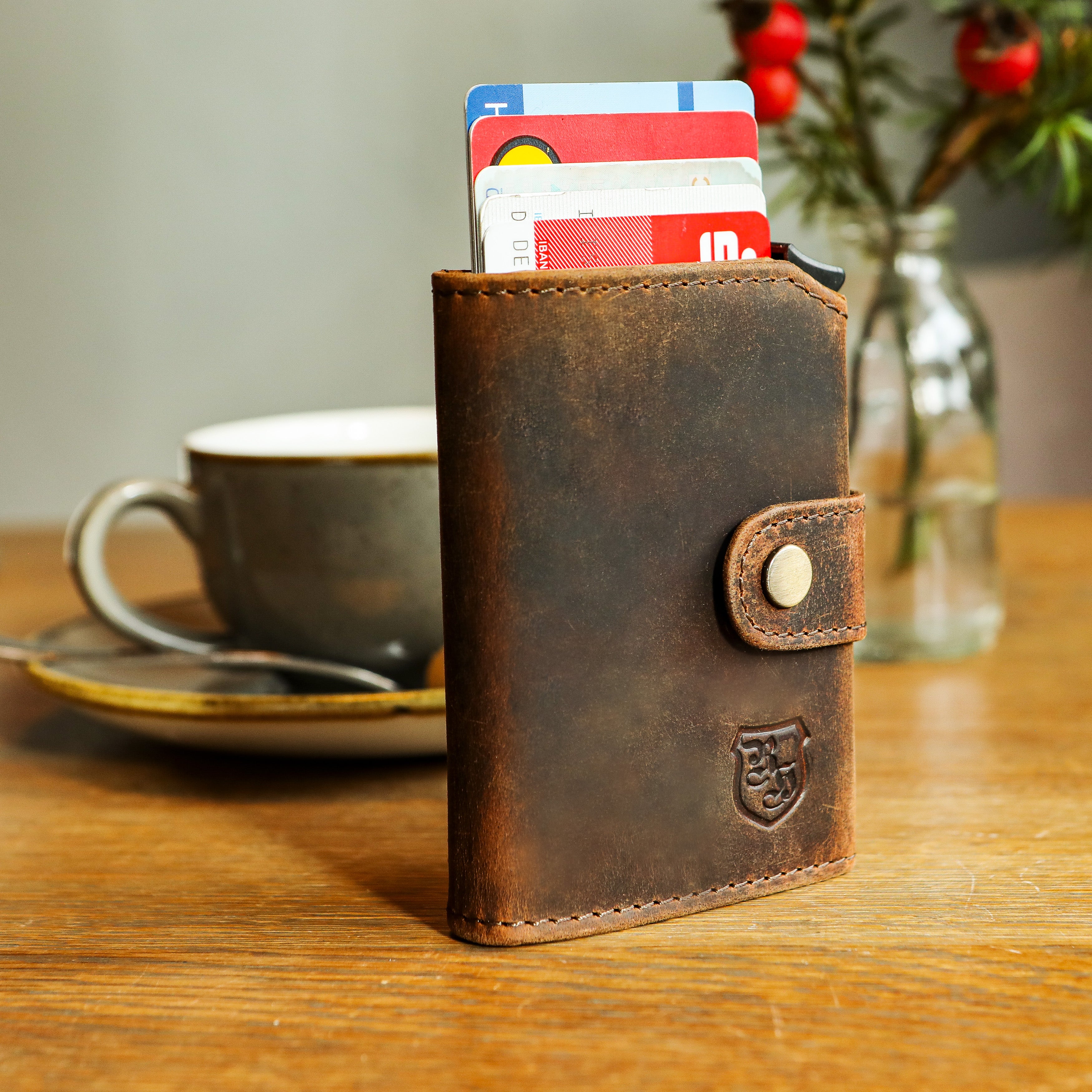
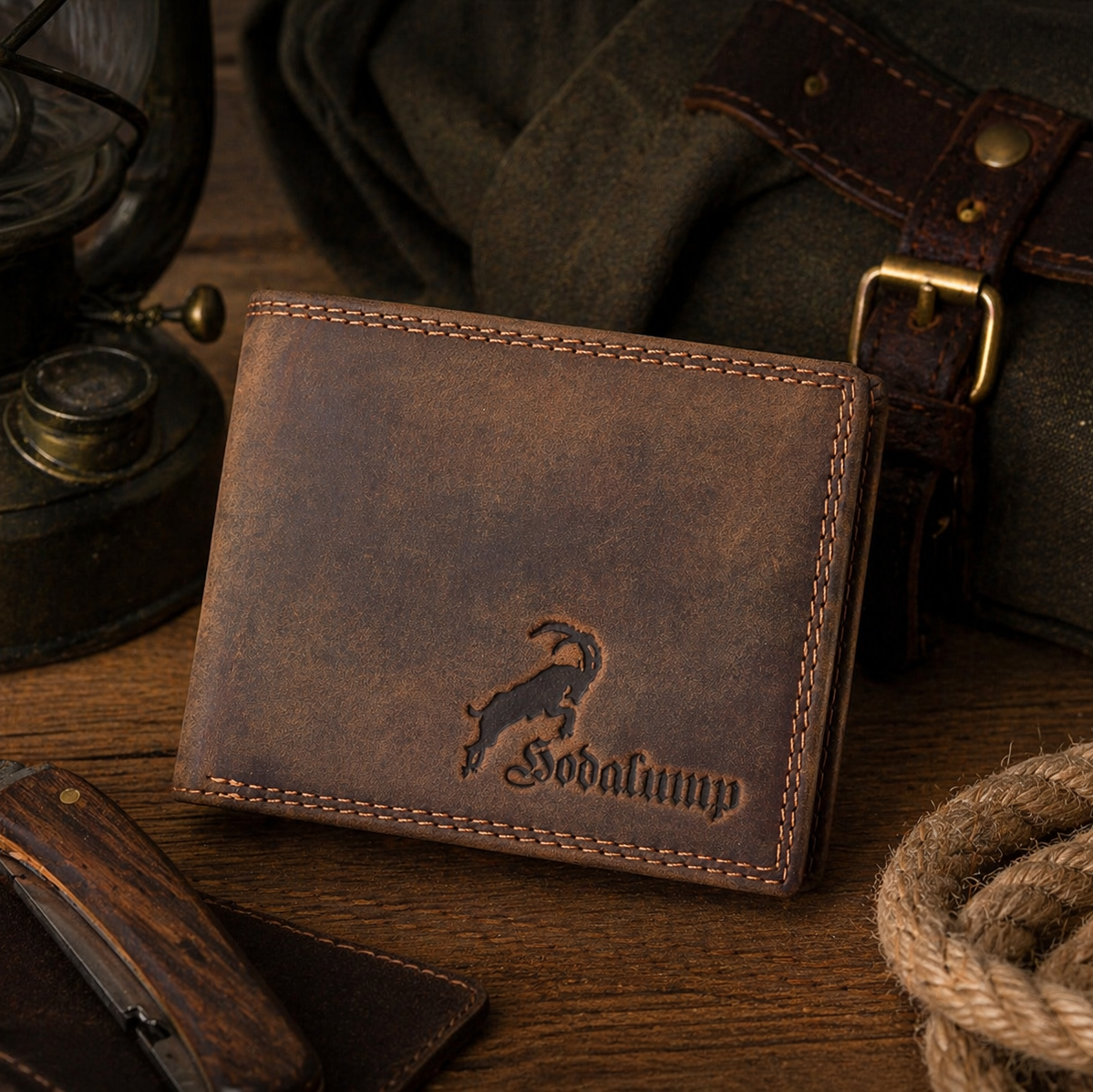
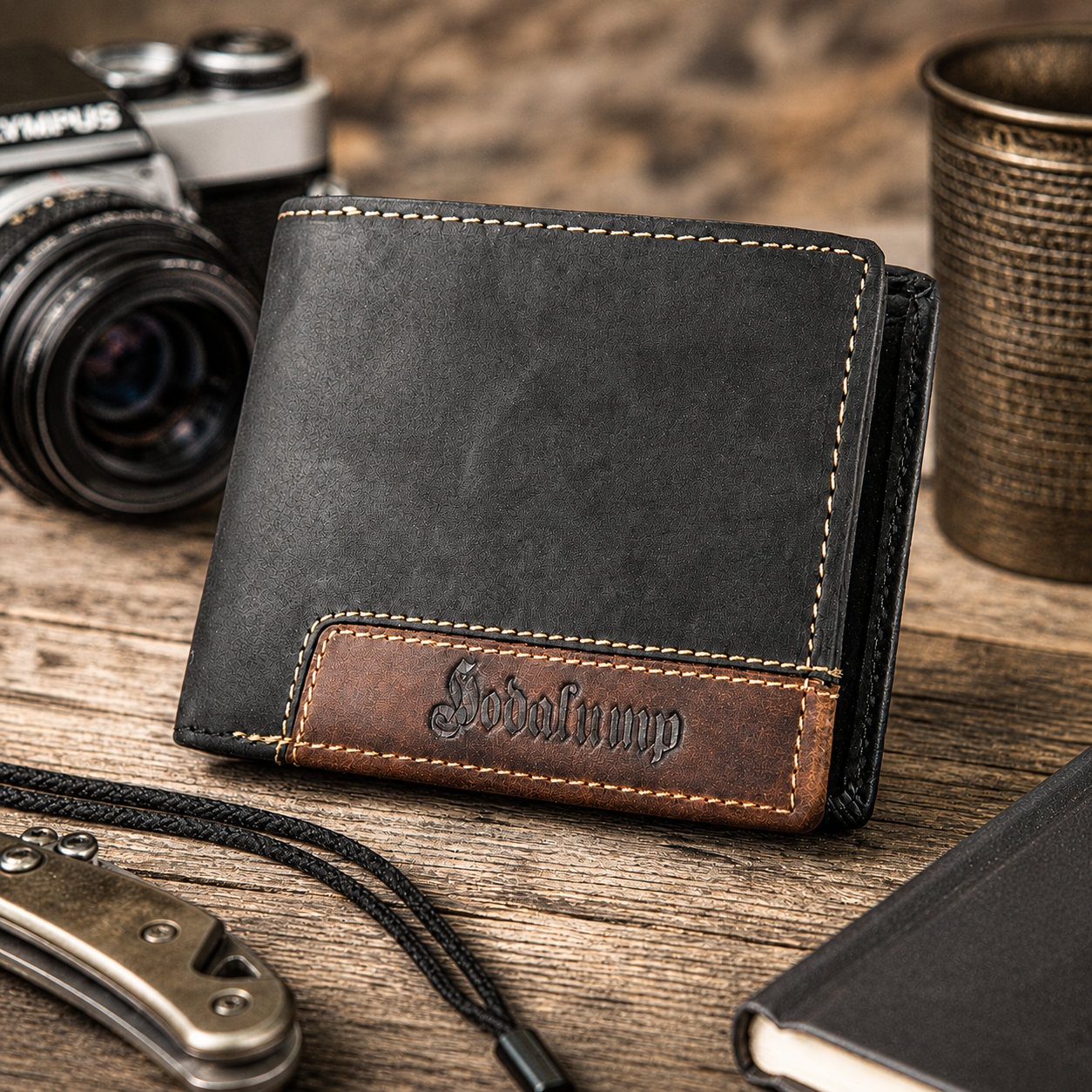
That is exactly what the Markus passport case at €24.95 is cut for: genuine leather, several slip pockets, a compact format that fits into a jacket pocket or a handbag. Passport, ID card, ticket, cards and a little cash all find room side by side — but no more than that, and that is the point.
For families a small piece of forward planning pays off: one case for all the passports means one person carries the responsibility and the check runs through in a single go. Separate cases mean nobody can lose everything at once. There are good reasons for both — the decision should just be made before you leave and not in the queue.
What does not belong inside: vaccination records, booking confirmations, insurance papers, the second credit card, the driving licence for the hire car. Together those come to six or eight papers and cards, and a passport case is too small for that. If you travel that way, you need the next size up.
Case or travel wallet — the question of format
The difference is not quality but volume. A case is a flat sleeve with slip pockets. A travel wallet is a wallet that also holds a passport.
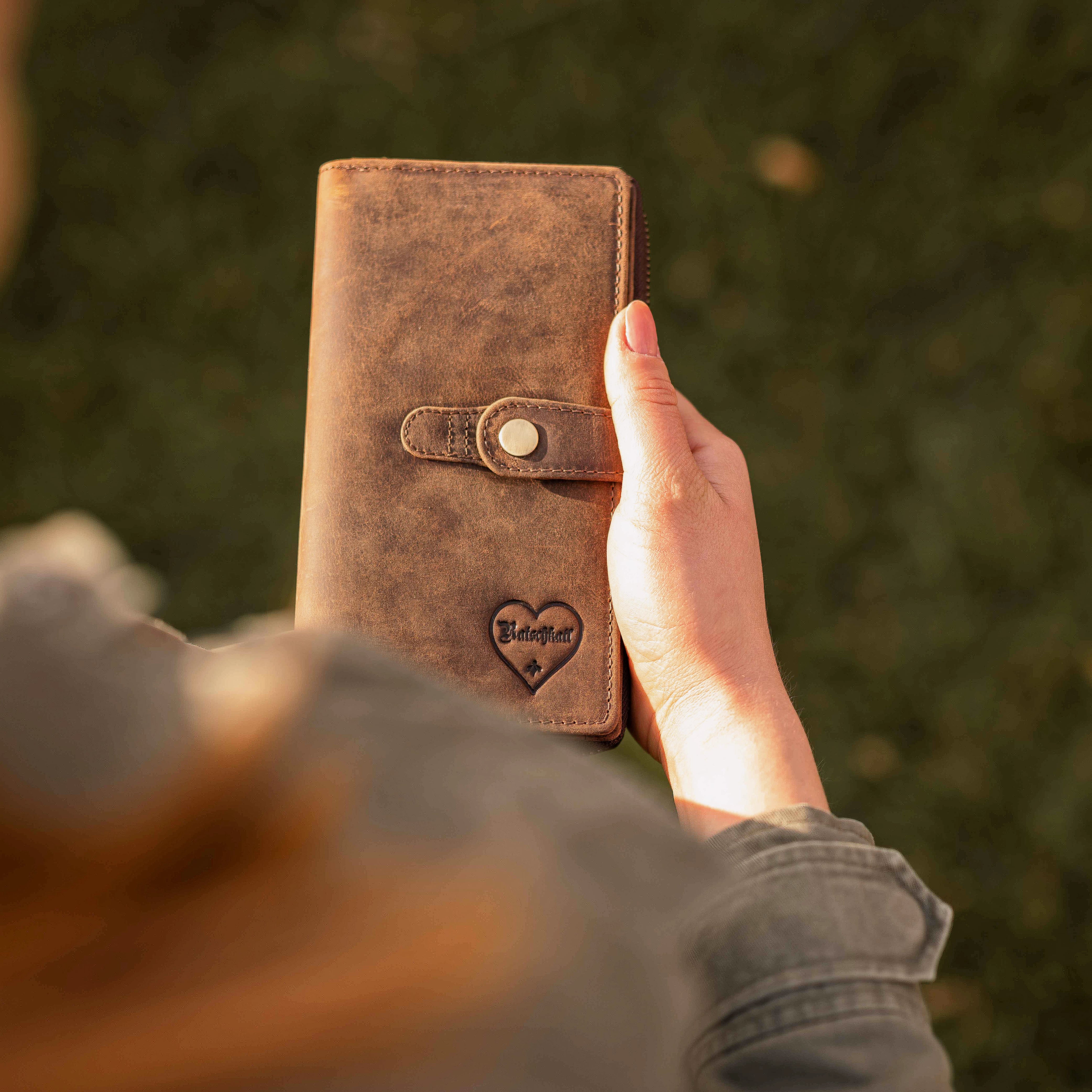
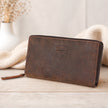
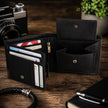
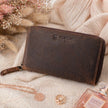
The Henrik travel wallet at €39.95 is the second kind: several card slots, a large slip pocket for the passport, a compartment for notes and a separate compartment for further documents, plus a zip that runs all the way round. That makes it your wallet while travelling too — which is practical, as long as you don't leave it lying on the beach.
The rule of thumb: if you only need the passport at the airport and at check-in, take the case and keep your everyday wallet separate. If you are away for three weeks, constantly switching between currencies and carrying only one bag anyway, you are better off with the travel wallet. The table above sets the two side by side, along with two additions for your luggage.
Both formats sit with the other models in travel cases. If you are looking more generally for a flat leather sleeve — for cards, papers, odds and ends — you are more likely to find it in leather cases.
How to spot a case that survives the third trip
Passport cases start at five euros. The difference shows itself not on the shelf but after two years in a rucksack. Four things are worth a look:
The material. Genuine leather darkens at the edges and develops a patina — after two years it looks used, not broken. Coated synthetic leather does the opposite: it stays like new for a long time and then peels away along the fold lines. On an object that is constantly opened and closed, that fold is exactly what decides matters.
The slip pockets. They should hold the passport when you shake the case upside down and still release it one-handed. Pockets that are slack from the start only get slacker.
The stitching at the corners. That is where most of the force acts, because the spine of the passport presses against the corner as you slide it in. Stitching that runs close to the edge there is the first to tear out.
The format. A case only slightly larger than the passport fits into any inside pocket. A case with a zip and extra compartments is safer, but then it is a small bag and no longer a sleeve. Both are right — just not for the same trip.
What leather needs to see those years through is very little: an occasional wipe, a bit of care every few months. The care guide for leather wallets applies to cases just the same.
What else belongs in your travel luggage
A case solves the problem at the gate. Two other problems turn up earlier.
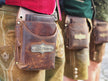
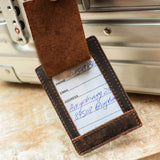
The first is the baggage carousel. Two black cases look identical, and the luggage straps from the chemist's tear. The luggage tag with a name plate at €14.95 is made of genuine leather, has a sturdy leather loop and a plate you write on yourself — not a sticker that comes off after two flights.
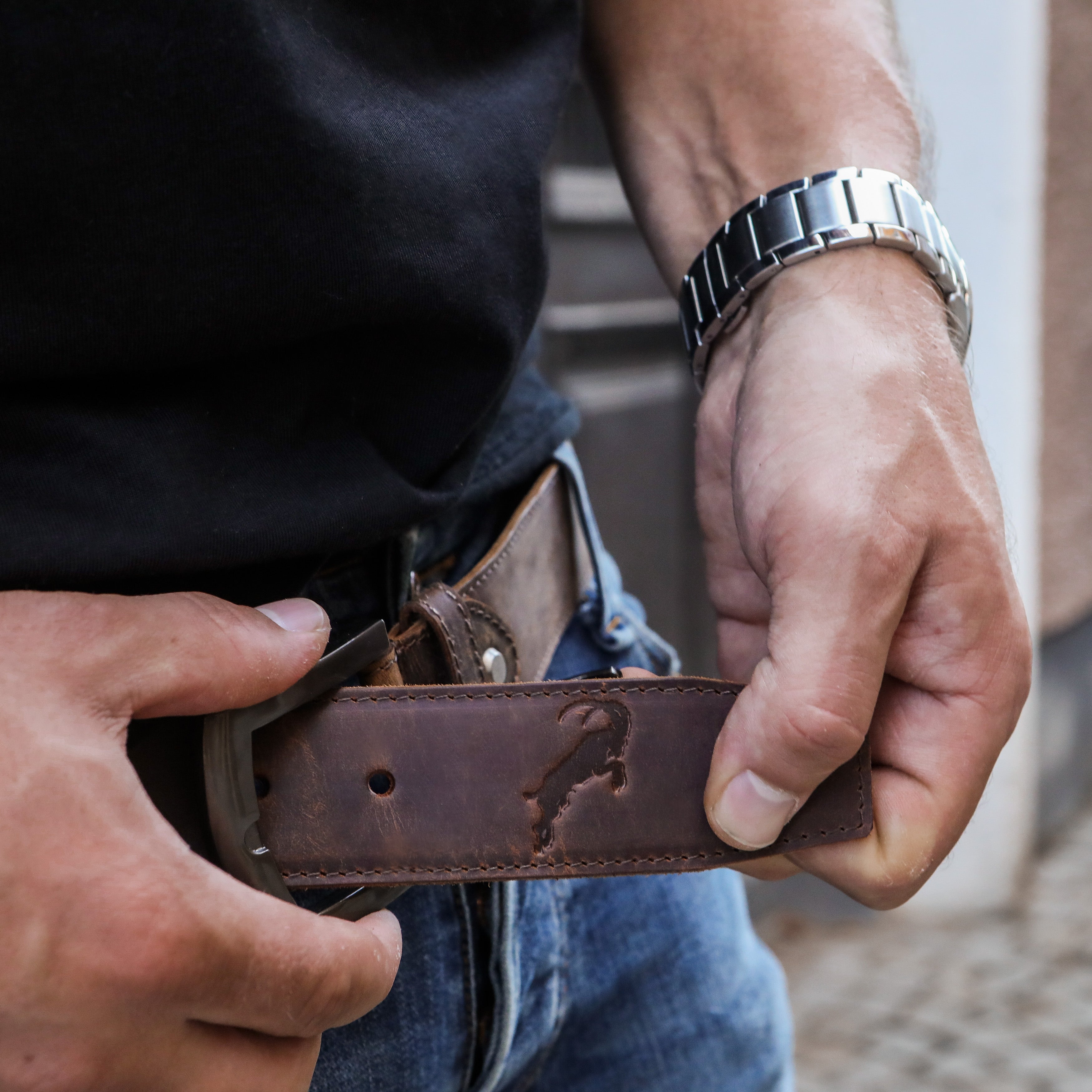
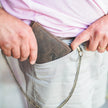
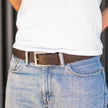
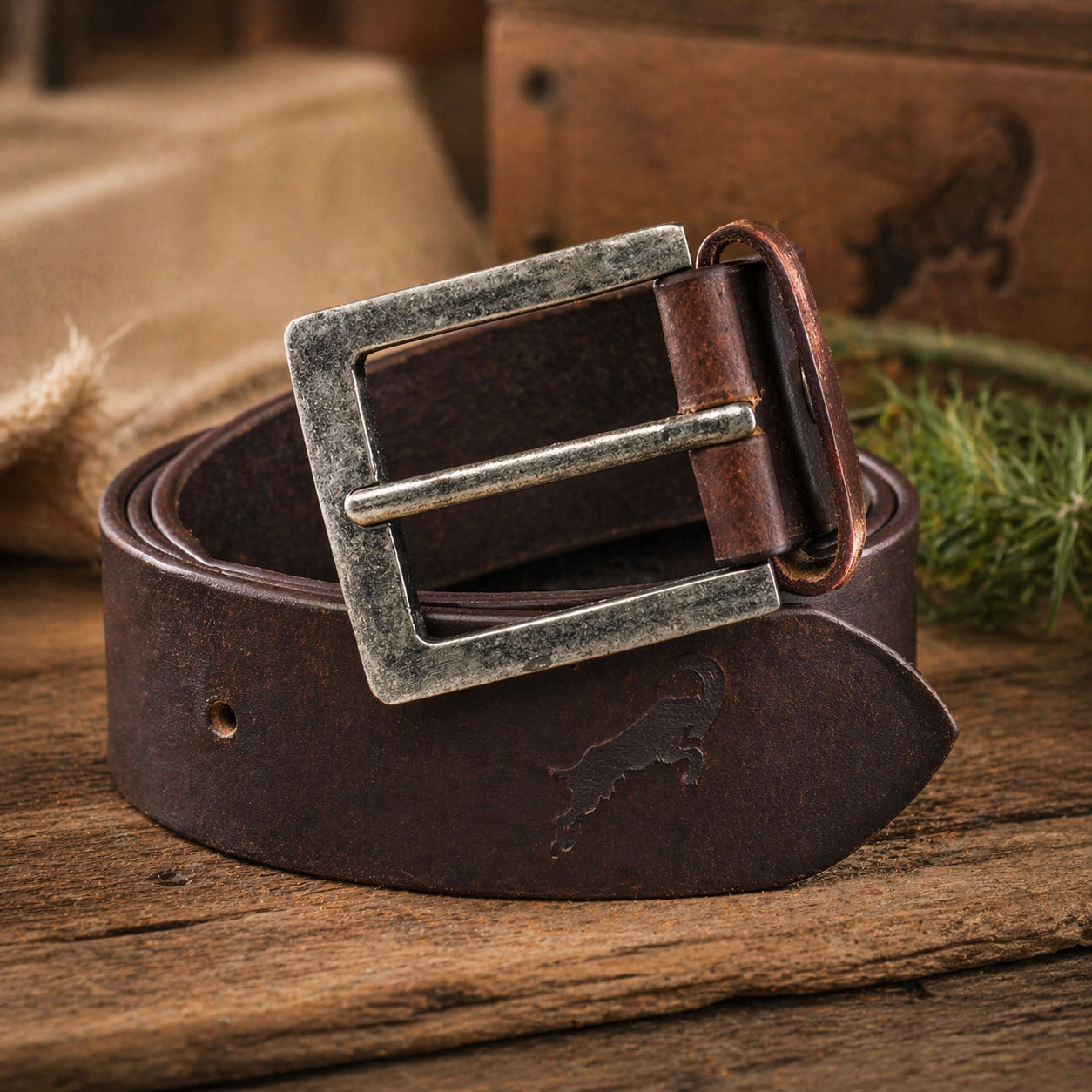
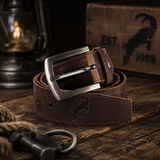
The second is cash. If you carry everything in one wallet while travelling, worst case you lose everything at once. The belt with a hidden compartment at €29.95 is a discreet answer to that: oiled buffalo leather, 4 cm wide, with a pocket on the inside for a few notes. None of it is visible. How that works day to day is set out in detail in the article Belt with a hidden compartment.
If you are packing beyond that, you will find suitcases, travel bags and wash bags in the travel collection.
Where the case sits while you travel
One point hardly anybody thinks about until it goes wrong once: where you keep it. The outside pocket of a rucksack is the most convenient and the worst place — it can be reached from behind without you noticing. A back trouser pocket is worse still. The sensible place is the inside pocket of a jacket, or a compartment in your hand luggage that you have to put down to open.
At the hotel the same applies in reverse: whatever you don't need during the day doesn't have to come with you. For a day at the beach a copy and one card are enough; the passport stays where it is safe. That is also why it is handy that the case and your everyday wallet are two separate objects — you can take one and leave the other behind. If you have both in one item, you can't.
And one banal tip that has already saved trips: photograph the passport page with your details and email the picture to yourself. It takes two minutes the evening before departure and is the only precaution in this article that costs nothing at all.
Who a case is not worth it for
There are cases where your money is better spent elsewhere. If you fly once a year, have the boarding pass on your phone and travel without connections, the passport goes straight from the rucksack into the hand of the officer and back again anyway. A case is then one more object, and one you can quite happily leave at home.
If, on the other hand, you travel several times a year with connections, travel with children or fly for work, it is one of the few travel accessories that quickly explain themselves. Not because it can do anything new — but because it stops you searching through three bags at the gate.