










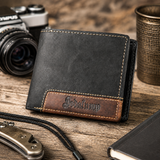
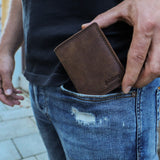
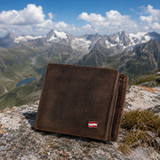
A wallet is the accessory a man holds in his hand more often than any other. And yet the buying decision is usually made in five minutes, often in passing, often on price. That is exactly why millions of wallets end up in the bin after a few months every year: split seams, crumbling edges, card slots stretched out of shape. Once you understand how to recognise a genuinely good men's wallet, you buy less often and you buy better.
In this test comparison we look at what separates a quality wallet from interchangeable mass-produced goods. You will learn which types of leather exist and why the label “genuine leather” on its own says nothing at all about quality, which test criteria actually count in daily use, which type of wallet suits the way you use one, and how the right care gets a decade out of your wallet. By the end you will know exactly what to look for and which compromises you can happily skip.
Why the men's wallet is a considered purchase again in 2026
The days when a wallet was purely a container for cash are over. Cash plays a smaller part in daily life, cards and digital payment dominate. That has visibly changed the market: compact formats, quick access to cards and RFID protection have gone from bonus feature to basic expectation.
At the same time there is a counter-movement. More and more men want to get away from interchangeable products and towards objects with character, things that are allowed to wear without falling apart. Full-grain leather hits that nerve precisely, because it is the only material in this category that looks better with time rather than worse.
You can see it in the review landscape too. Buyers now visibly reward finishing, stitch quality and honesty about materials, while price-only arguments carry less weight in reviews. Anyone buying a wallet they will hold every day for the next eight years does the sums differently from someone replacing a seasonal item. For an overview of the different designs, see our category Leather wallets for men.
Material comparison: what “genuine leather” really means
The most important point in any serious wallet test is the material. And this is exactly where the most sleight of hand happens, because the common terms are legally permitted but tell you very little.
Full-grain buffalo leather: the top quality tier
Full-grain leather comes from the outermost layer of the hide and keeps its natural fibre structure completely intact. Nothing is sanded away, nothing is artificially embossed. It is precisely that dense, grown fibre structure that makes the material extremely tear-resistant. Buffalo leather counts as one of the toughest leathers there is, noticeably more resilient than standard cowhide of the same thickness.
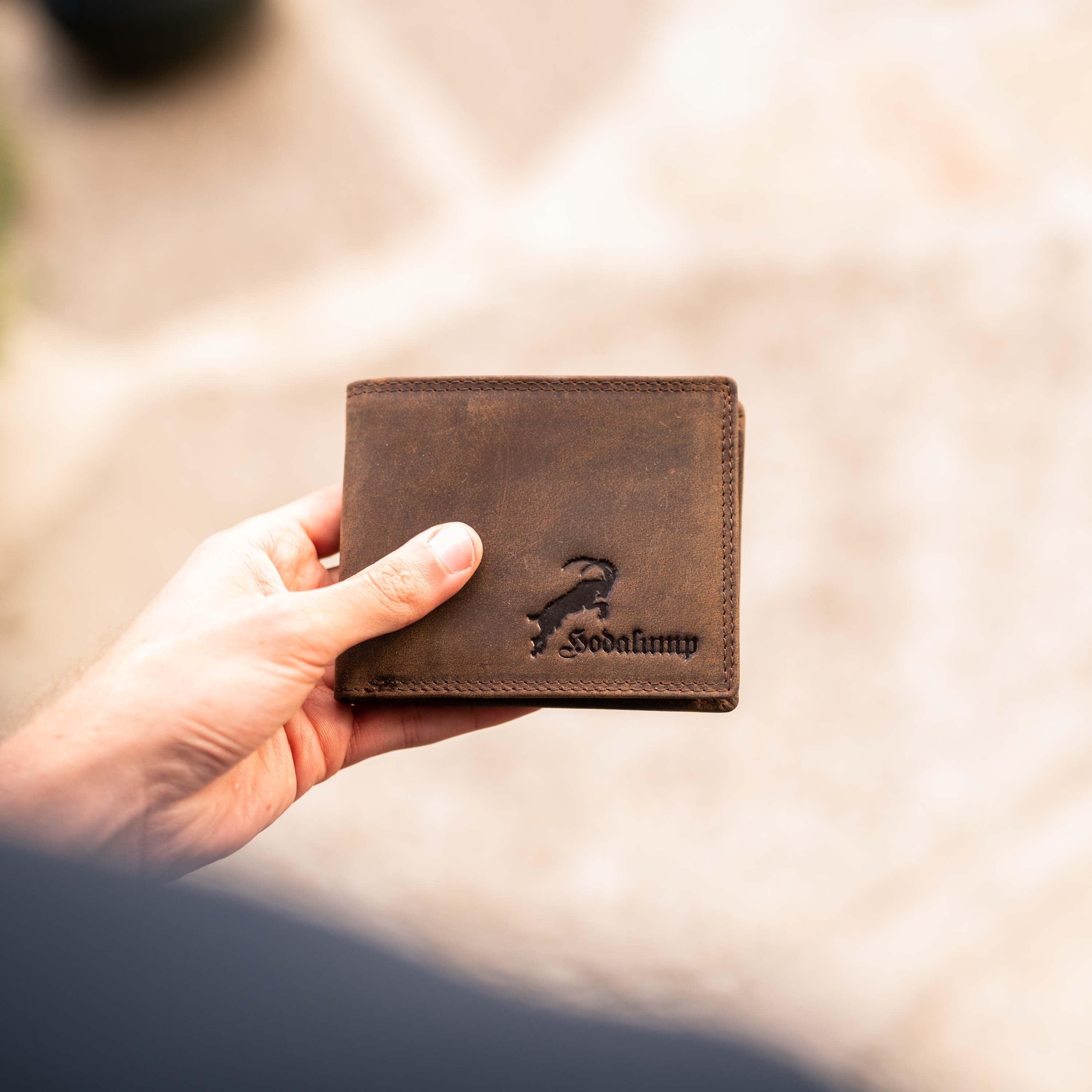
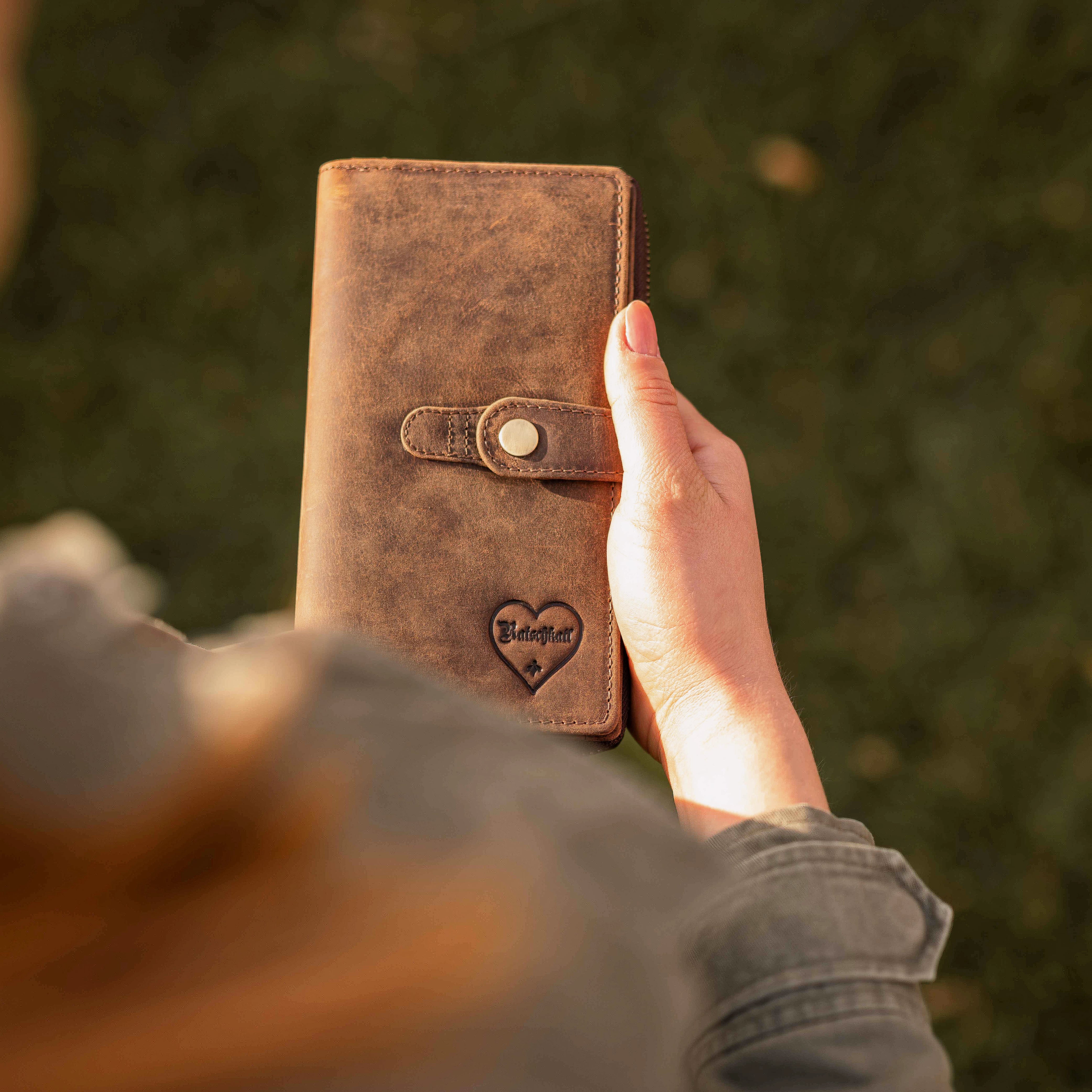
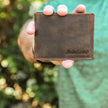
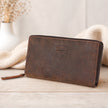
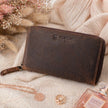
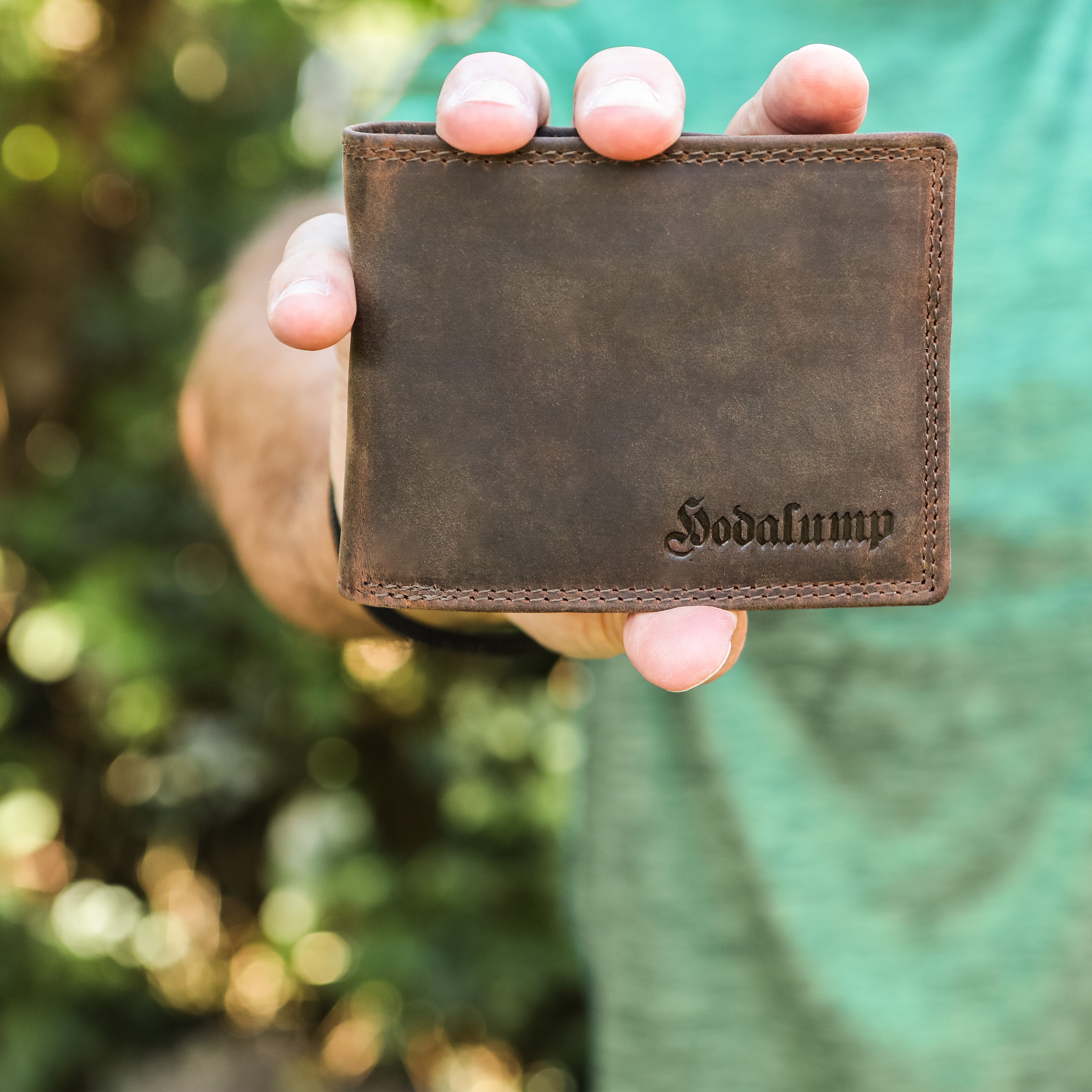
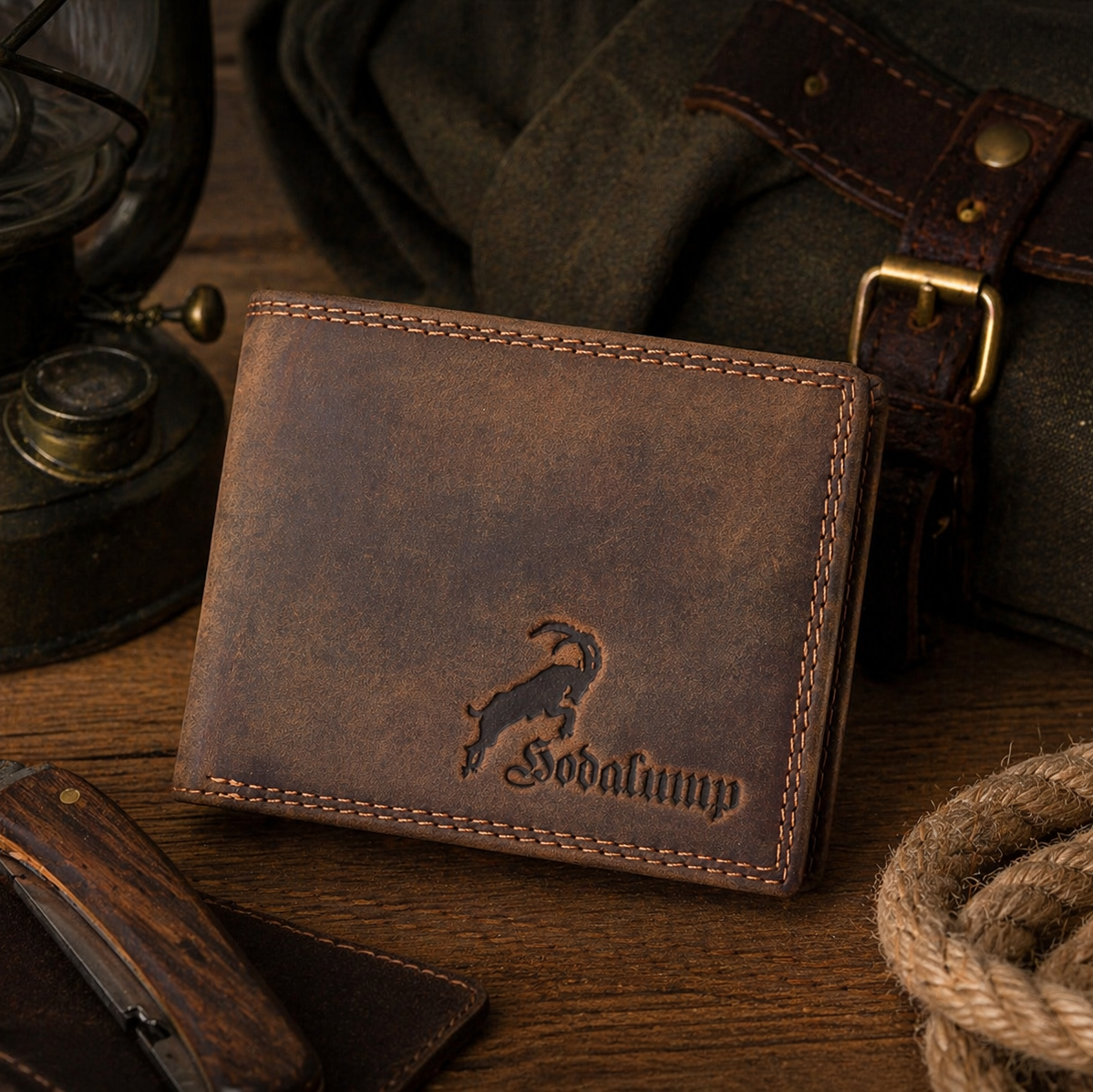
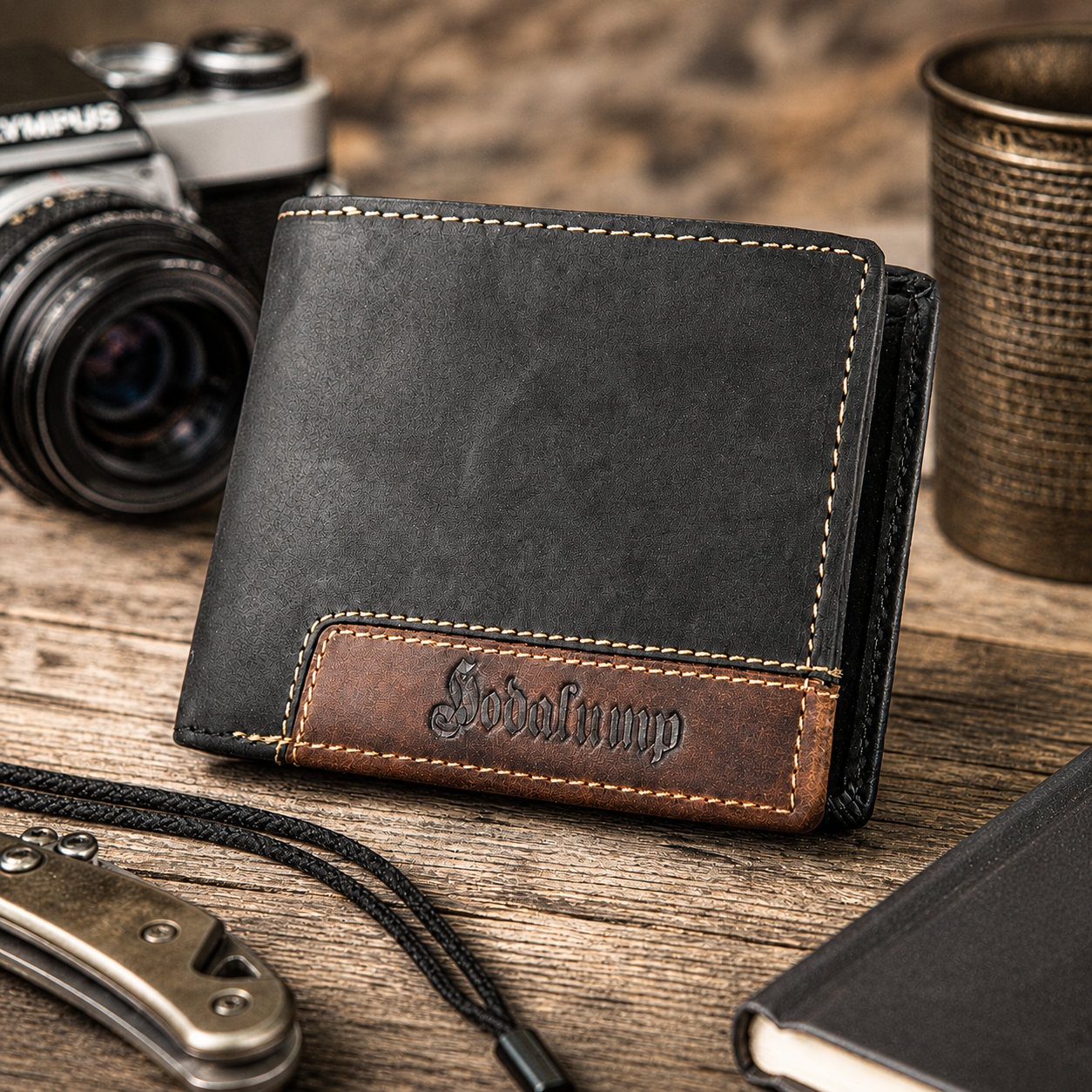
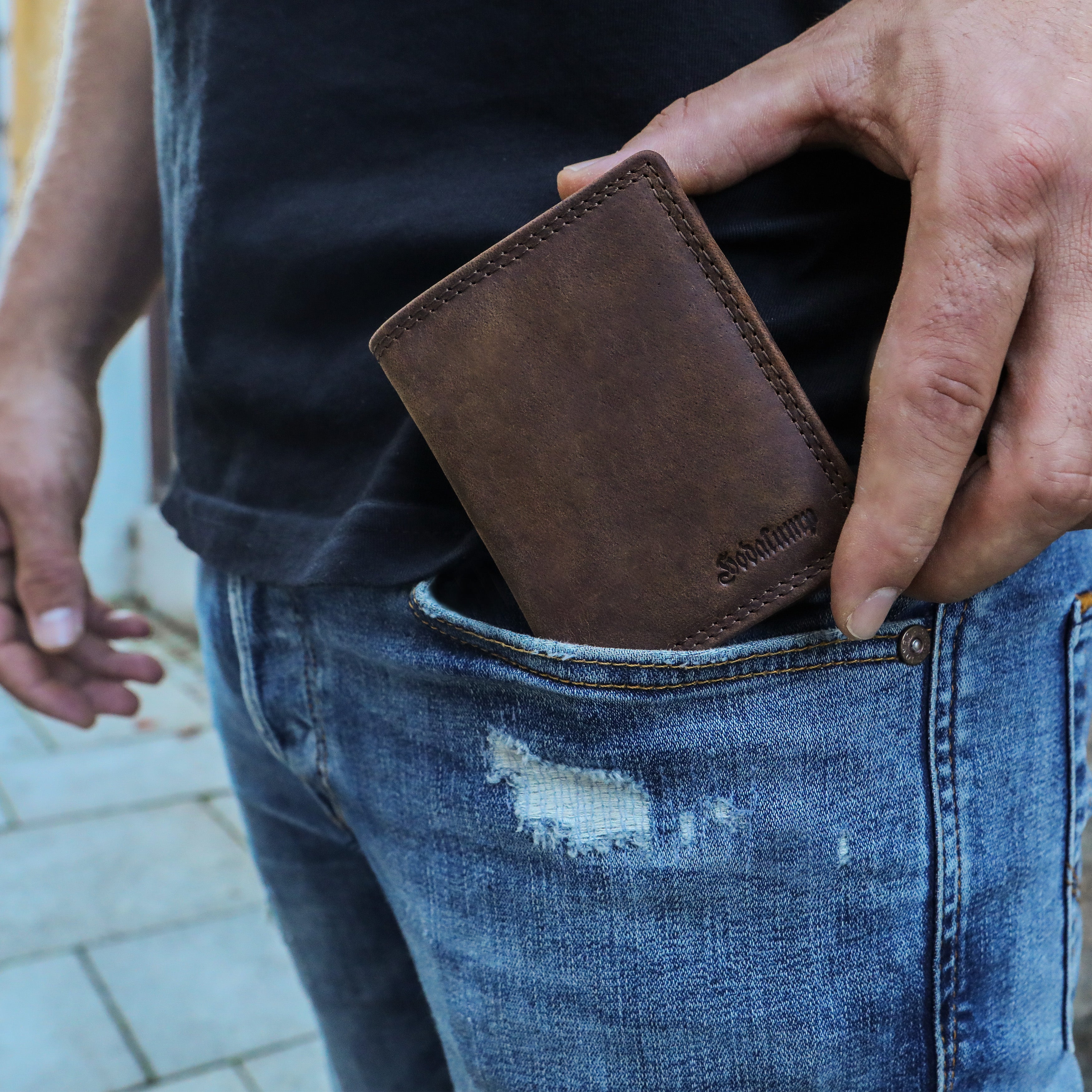
The decisive advantage shows itself in daily use: full-grain buffalo leather develops a patina with every reach into your pocket. The surface smooths out where it is touched, darkens slightly and gains a depth no manufacturer can produce at the factory. After three years, every wallet looks different, because it carries its owner's story. The effect is especially lovely on oiled hunter leathers, such as the ones used on the Hodalump Classic Wallet.
Split leather and corrected grain: the most common label trick
Split leather comes from the lower layer of the hide, after the grain layer has been separated off. It may legally be sold as “genuine leather”, but it has a loose fibre structure without the stabilising grain. To make it look better, a plastic layer is applied and a leather grain is embossed into it. The result looks good in the shop and flakes off along the fold edges after one or two years. There is no repairing that.
Heavily pigmented, corrected-grain leather behaves in much the same way. The closed layer of colour stops the material breathing and taking up fat. Instead of a patina, you get abrasion.
Synthetic leather and PU: convenient, but finite
PU-coated materials are light, cheap and easy to look after. But they have an expiry date built into their construction: the coating separates from the backing over time, especially where the wallet is permanently folded. They are also not biodegradable and cannot be repaired. Perfectly fine as a second wallet for the festival season, but not as a daily companion over years.
What this means for material: do not go by the word “leather”, go by the additions “full-grain”, “full-grain cowhide” or “full-grain buffalo leather”. If that detail is missing, it is usually not an accident. In our overview Leather wallets you will find nothing but models made from real leather.
The key test criteria in a wallet comparison
Material is the foundation, but a good wallet is decided in the details. These five criteria separate the wheat from the chaff in a direct comparison.
Stitching and finishing
The seam is the weak point of every wallet. Look for an even stitch length, a clean return at the ends of the seam and above all a double seam along the edges that take the load. A quality saddle stitch with waxed thread still holds even when a single stitch breaks, because the seam cannot unravel.
Second thing to check: the edges. Are they cleanly dyed and burnished, or simply cut raw? Open cut edges fray over time and draw in moisture.
Card slots and capacity
The most common bad buy comes from planning capacity wrongly. Before you buy, count how many cards you actually need day to day, and add two spare slots. A wallet that is permanently overfilled loses its shape and the slots stretch out. The other way round, a large wallet holding four cards rattles about unpleasantly in your pocket.
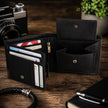
Good models offer staggered slots, so the cards stay visible in a fan and you do not have to hunt. If you carry a lot of cards, you are better served by a model like the Classic Wallet Bavaria than by a flat mini wallet.
RFID protection
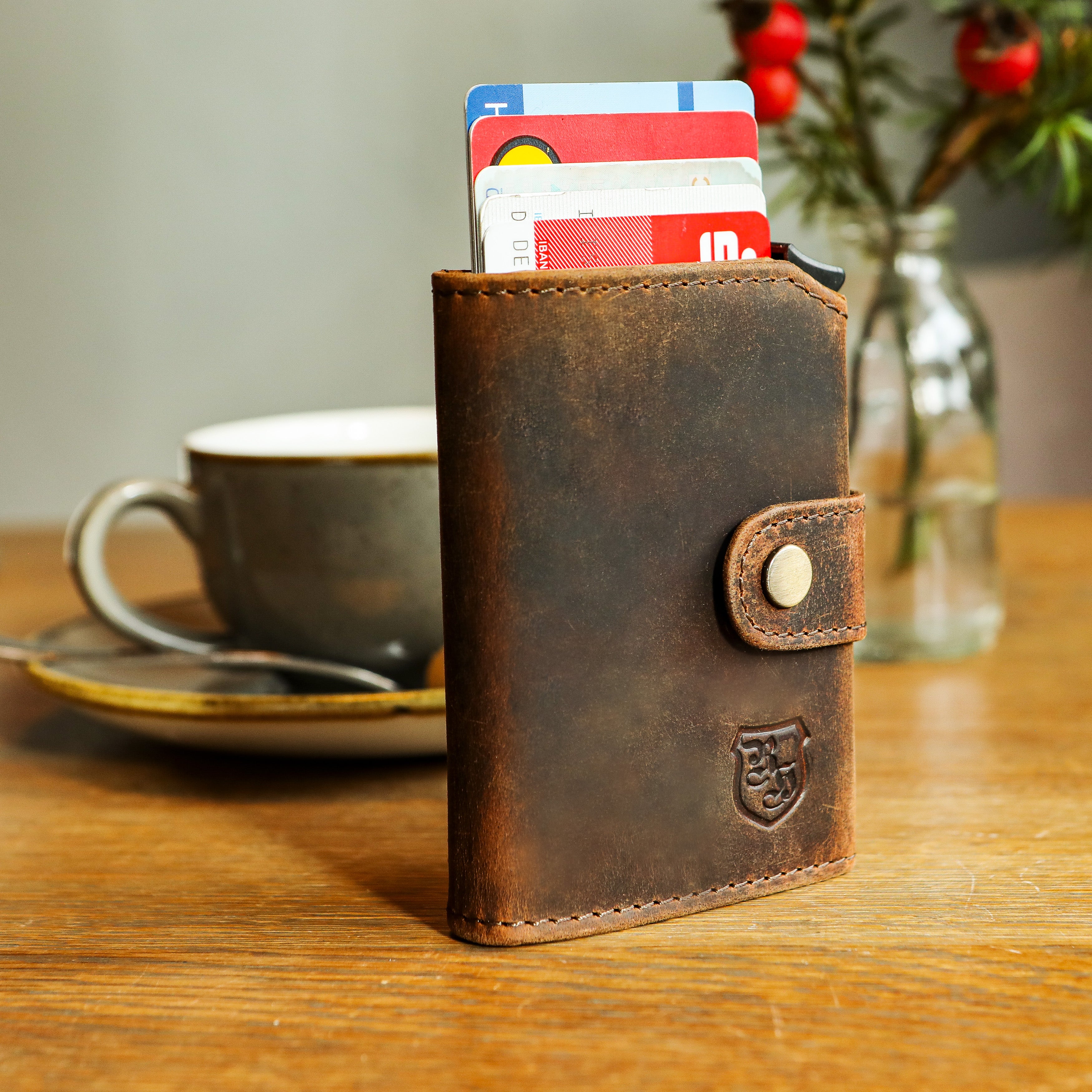
Contactless payment is standard, and unauthorised scanning is technically possible. An integrated RFID blocker is no longer a luxury today, it is basic equipment. What matters is that the protection is built into the lining rather than solved with a loose insert card that slips about.
Format and how it carries
Portrait or landscape is not purely a matter of taste. Landscape wallets sit flatter in a back pocket, portrait models are narrower and fit better into the inside pocket of a jacket. The Slim Wallet Franz is a typical example of the compact portrait format. If, on the other hand, you carry your wallet in your front trouser pocket, a card holder is a far better fit.
Coin pocket: yes or no
A zipped coin pocket is more secure but adds bulk. A flap coin pocket is flatter and quicker to get into. If you are effectively cashless, consider deliberately going without a coin pocket and saving a third of the wallet's thickness.
Which type of wallet suits you?
The classic men's wallet
The tried-and-tested format with a note compartment, several card slots and a coin pocket. Ideal for anyone who still uses cash regularly and wants everything in one place. Models in full-grain buffalo leather such as the Ibex Wallet Xare combine this traditional layout with a leather thickness that will not sag after years.
The card holder and the card box
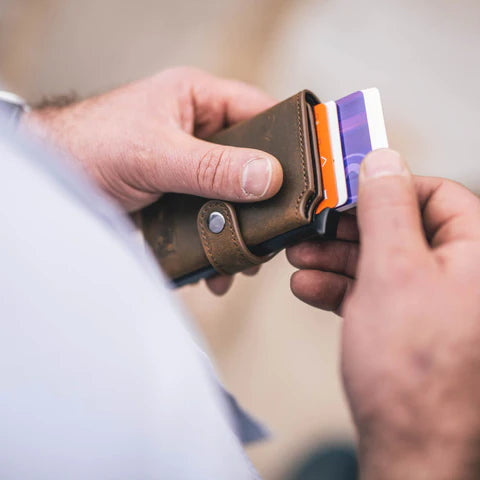
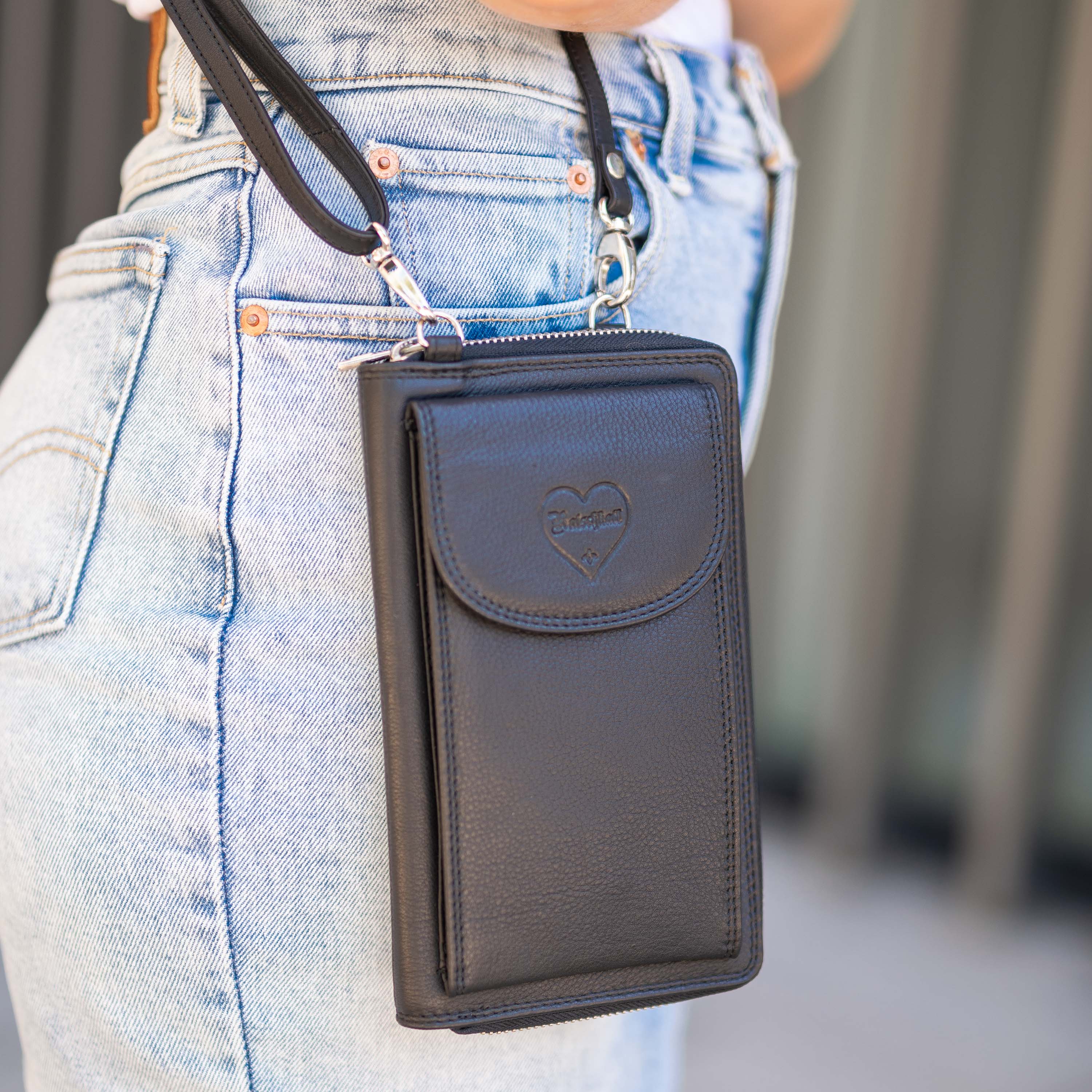
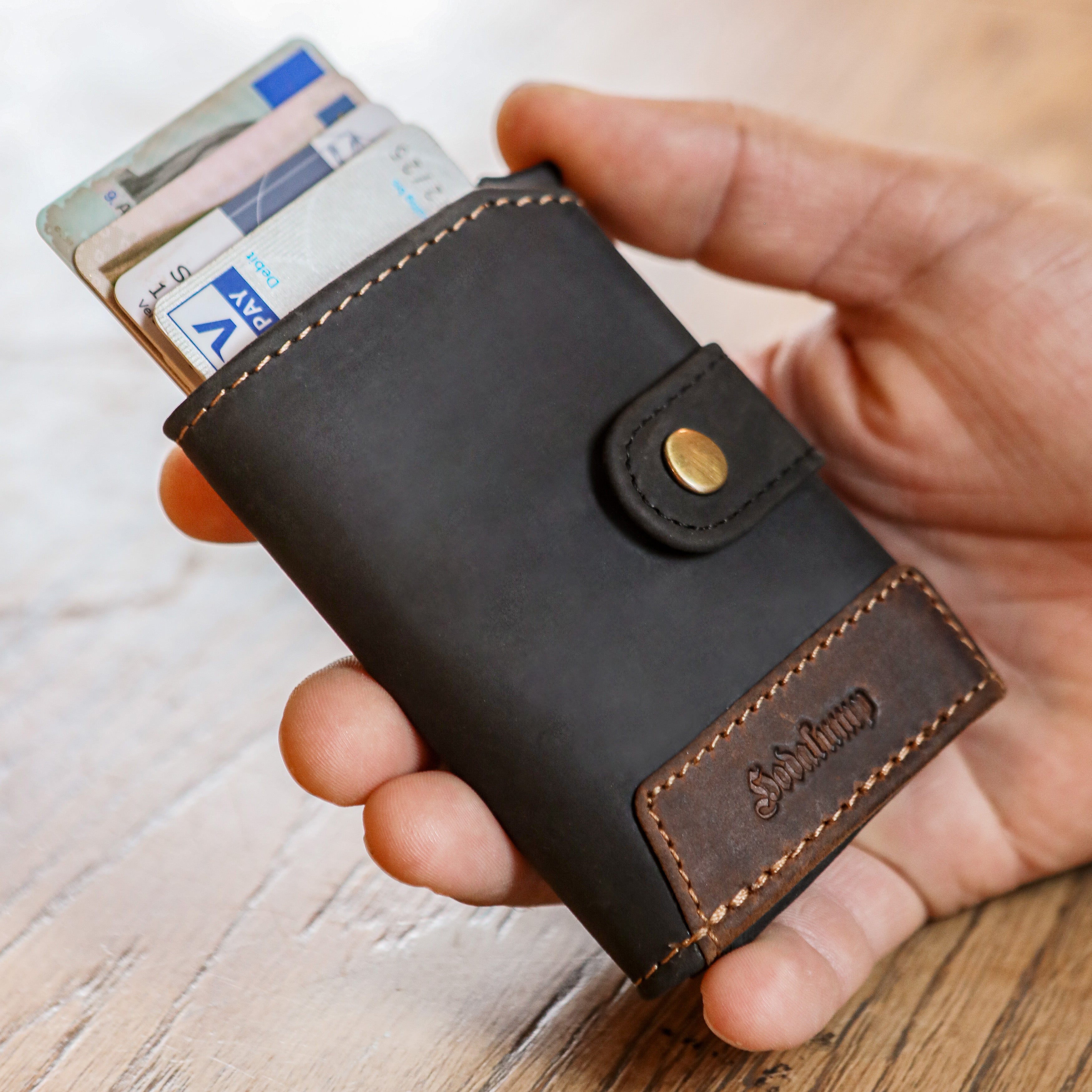
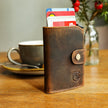
The logical answer to a cashless routine. Compact, flat, quick access to cards and RFID protected. The Hodalump Card Holder is aimed at exactly this group: minimum volume, maximum access, real leather instead of an aluminium case. If you only carry cards and a few folded notes, you simply do not need anything else.
The slim wallet and the money clip
The middle way between card holder and classic wallet. Note compartment present, coin pocket reduced or left out, medium card capacity. The Money Clip Wallet Fredl holds notes with a clamp mechanism and noticeably saves on thickness. For many people the best everyday compromise.
The compact jeans wallet
Small, tough, made for a trouser pocket. Few card slots, one coin pocket, no superfluous volume. The Jeans Wallet Buam is the classic example of this design and a good choice for anyone determined to avoid dead weight.
Price and value: what does a good men's wallet cost?
In the entry segment under €25 you generally get split leather or PU with simple stitching. These wallets do the job, but they typically last one to two years. Between €25 and €60 is the range in which full-grain leather, clean edge finishing and stable double seams become realistic. Above that, you are largely paying for brand names and designer labels, not necessarily for more substance.
The more honest figure is not the purchase price but the price per year of use. A €30 wallet replaced every two years costs €150 over ten years. A handcrafted buffalo leather wallet at €40 that lasts those ten years and looks better than it did on day one costs €4 a year. Do the sums once and you shop differently.
Hodalump sits deliberately in exactly that segment: real full-grain buffalo leather, craft finishing and experience going back to 1947 across four generations. With over 700,000 wallets sold and more than 17,000 reviews averaging 4.8 out of 5 stars, there is a solid body of data here that goes well beyond any single test report. You will find the full selection under Leather wallets for men.
Care and durability: how to make your wallet last a decade
Leather is a natural material and needs a little attention now and then. The effort is minimal, the effect considerable.
Feeding it regularly
Two or three times a year, a thin layer of leather grease or leather balm is enough, applied sparingly with a soft cloth and left to soak in. That keeps the fibres supple and prevents cracking along the fold edges, where the greatest strain occurs. Important: less is more, over-fed leather goes spongy.
Dealing with damp properly
If your wallet gets wet, never dry it on a radiator or with a hairdryer. The fibres harden irreversibly if you do. Instead let it dry slowly in the air at room temperature, then feed it, because the water will have drawn fat out of the leather.
Avoiding overfilling
The biggest killer of card slots is permanent over-stretching. Have a clear-out twice a year. Expired cards, old receipts and loyalty cards you never use all cost volume and shape.
Letting the patina happen
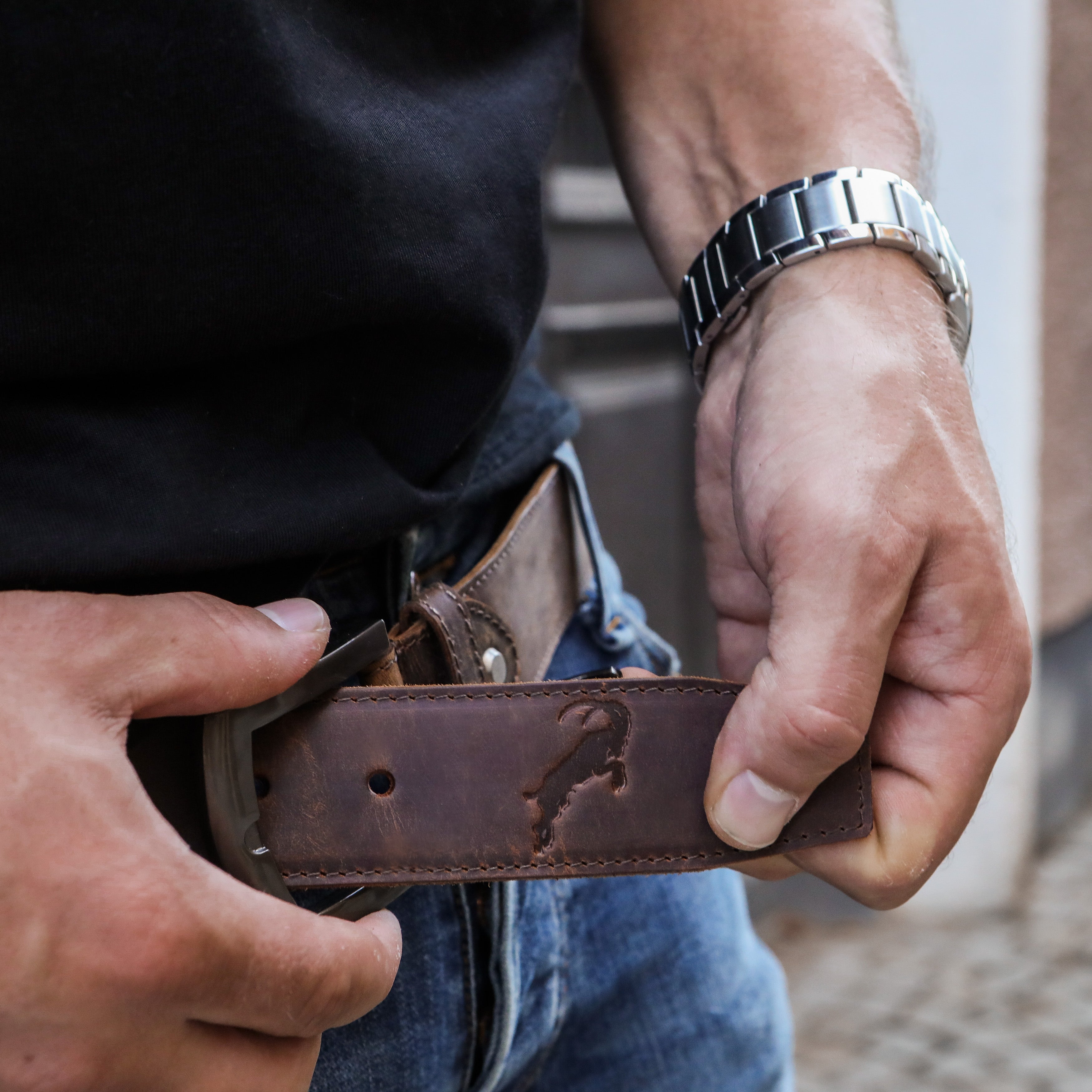
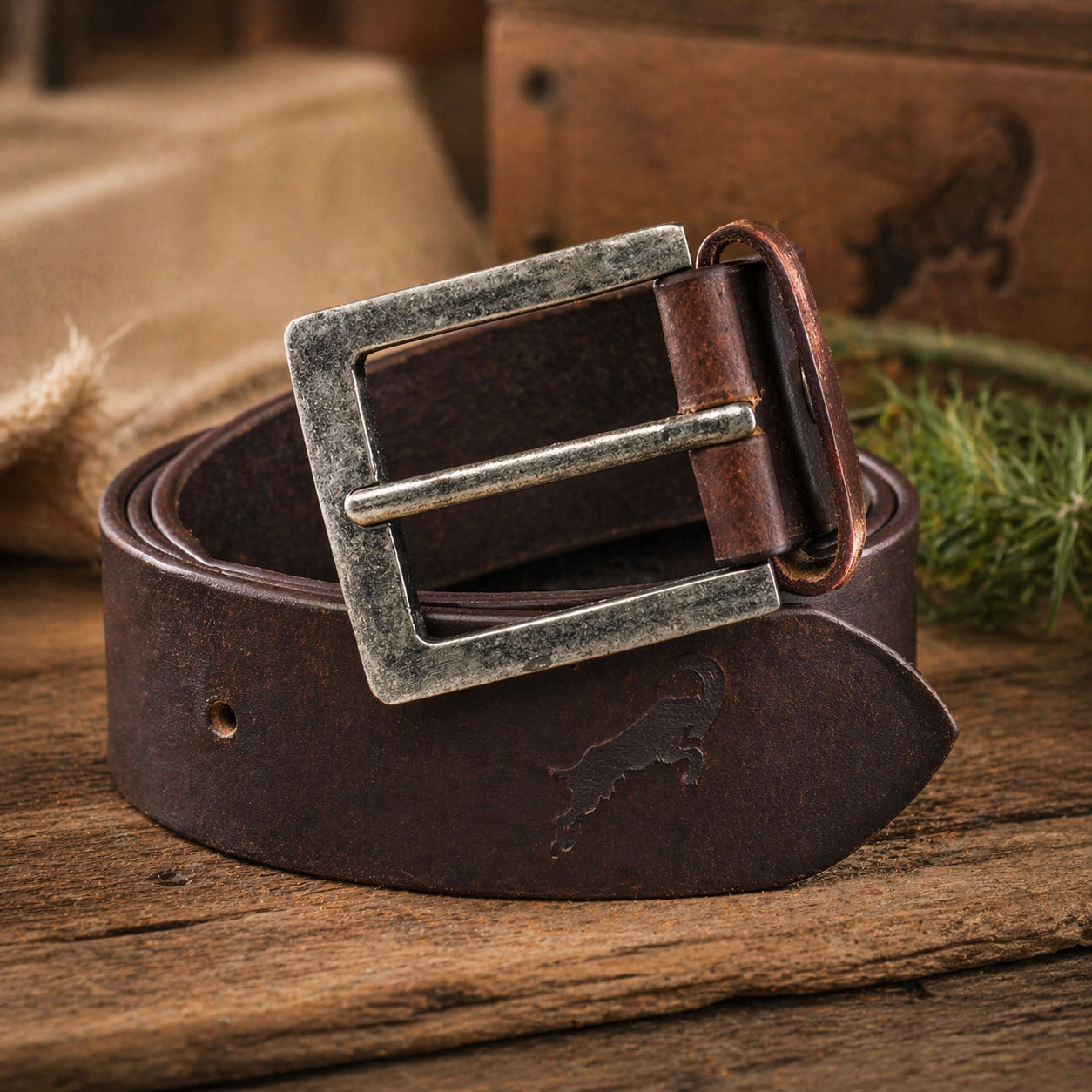
On full-grain leather, scratches and changes in colour are not a defect, they are part of the material. Small scratches can often be buffed out with your thumb and a little warmth. Everything else simply belongs. If you like that principle, you will find it again in our leather belts, which use the same material quality.
Verdict: the best men's wallet is the one you never have to replace
The comparison is clear-cut. Three factors decide it: full-grain leather instead of coated split leather, a clean double seam with sealed edges, and a format that suits your actual routine rather than a theoretical need. Everything else, from the colour to the number of slots, is a matter of taste.
What most tests underestimate: a wallet is not judged on the day you buy it, but three years later. That is exactly where the paths diverge. Synthetics and split leather flake, real buffalo leather gains character.
Hodalump has stood for precisely this approach since 1947, across four generations: handcrafted leather goods in full-grain buffalo leather, made to be companions for life rather than seasonal stock. Discover the Hodalump wallets for men now and find the model that grows with you.