











Anyone searching for the best lederhosen brand is really looking for a shortcut: remember one name, buy accordingly, done. Except that this works less well with leather than with almost anything else. Two pairs with the same label can feel completely different, and a pair that looks good in a photo can be worn through after its third Wiesn — Munich's Oktoberfest.
What does help are features you can actually check: on the trousers in your hand, in the photos on a product page, in what the seller is willing to say about sizes and care at all. The following six points are where quality genuinely shows.
The stitching tells you the most
On lederhosen, the seams are the point at which they give up first. It is not the leather that tears, it is the seam that opens — in the crotch, at the back pocket, along the fly.
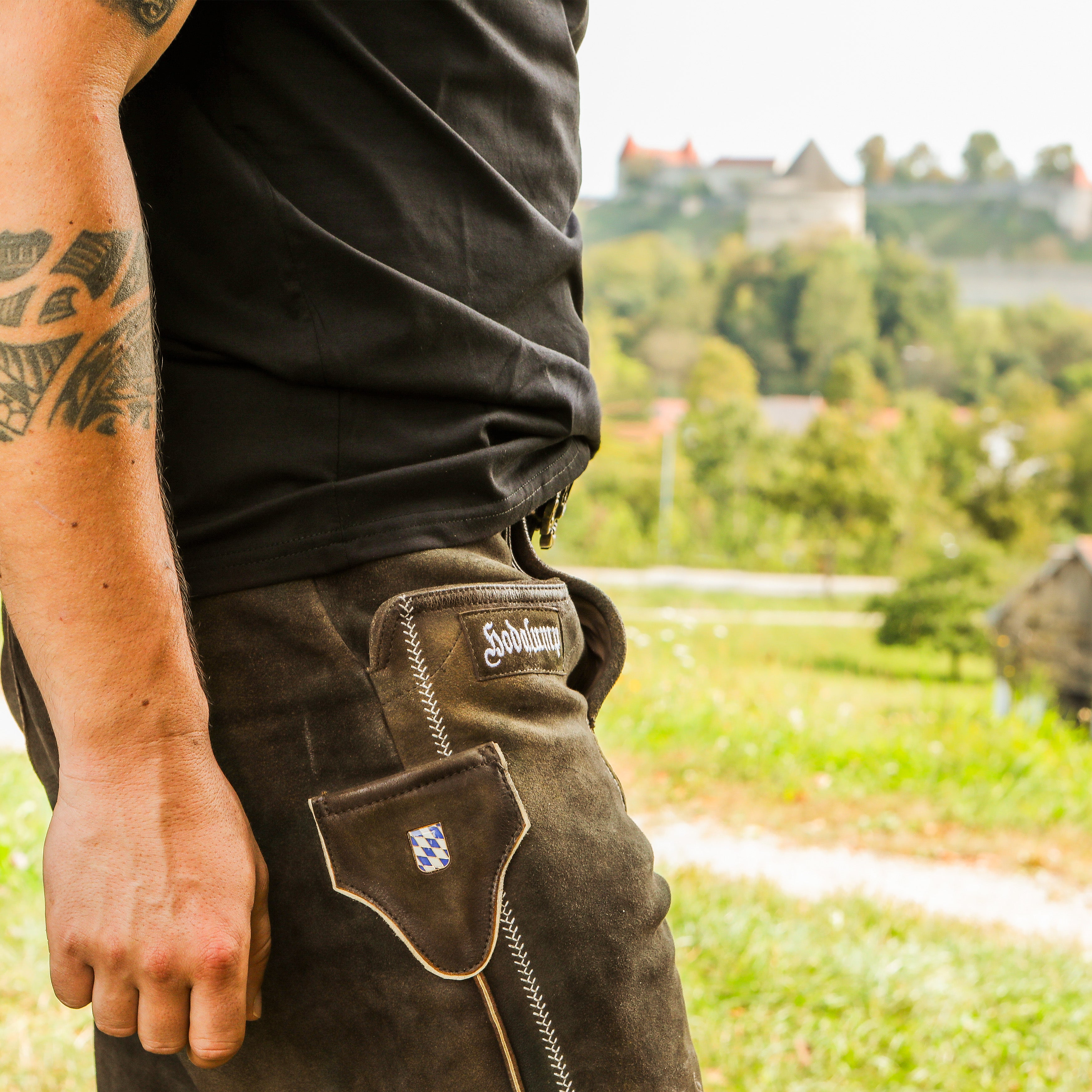
How to recognise decent stitching: the stitches are of even length and run in a straight line without wandering. Areas under strain are reinforced or stitched more than once. The ends are cleanly locked off and no thread is hanging loose. And the holes the thread went through are not so large that the leather looks perforated — if the needle is too thick for the leather, the trousers will later split along the seam rather than at it.
On product photos this is surprisingly easy to see, provided there are close-ups. If there are none, that is itself a piece of information.
Leather thickness and feel
Lederhosen have to take a beating, and for that they need substance. Thicker leather is stiffer to begin with, shapes itself more slowly and is uncomfortable the first few times — but it lasts. Thin leather feels pleasant straight away, but loses its shape faster and wears through at the edges sooner.
The quickest test in the hand: take the leather between two fingers and squeeze. Good leather feels full and springs back. Leather that feels papery, or that keeps a sharp crease when you fold it, will have a pale line in that spot a year from now.
The second test is the smell. Leather smells of leather. A distinct chemical smell that has not gone after a few days usually means surface treatment, and that tends to disguise rather than protect.
Suede or smooth leather
The two surfaces behave completely differently in daily use, and both have a side that is annoying.
Suede is buffed, matt and velvety. It picks up stains faster because the surface is open — but it forgives scratches almost entirely, because the fibres can be raised again. Over the years, the areas that get touched a lot take on a slick sheen. Some people find that attractive, some do not. There is no undoing it.
Smooth leather has a closed surface, can be wiped down and is far more forgiving of spilled beer. In return it shows every scratch immediately, and those stay visible until they blend into the overall patina with time.
There is no better option here. If you want trousers that look after five years like they have had five years, choose suede. If you want a pair that stays easy to care for, choose smooth leather. Which surface a model has is stated on each product page under lederhosen.
Fittings, buttons and fastenings
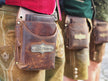
The front flap, the flap fastening, the buttons at the waistband, the loops for the belt — these are the parts that cost the least and break the most. Check whether the buttons are stitched right through rather than just pushed on, whether the loops sit cleanly set into the leather, and whether the flap fastening opens with one hand without you having to pull at the leather. Anything that puts tension on the trousers as you open it is working against the seam next to it every single day.
Fit: how lederhosen should sit
The most common mistake when buying is ordering lederhosen like jeans: a size up so they are comfortable. That goes wrong, because leather gives as you wear it and a pair that starts out comfortable will be slipping down after a season.
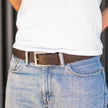
The right approach: the waistband sits firmly at first, but does not cut in. You should be able to get one finger behind it standing up, and not feel the front seam pressing when you sit down. Length is a matter of taste — short ends above the knee, the Kniebundhose, the knee-length version, just below it.
Our men's models run in sizes 48 to 56, women's models in 36 to 44. If you fall between two sizes, take the smaller one, not the larger. A belt will later make up for whatever width the leather gains.
What changes as you wear them
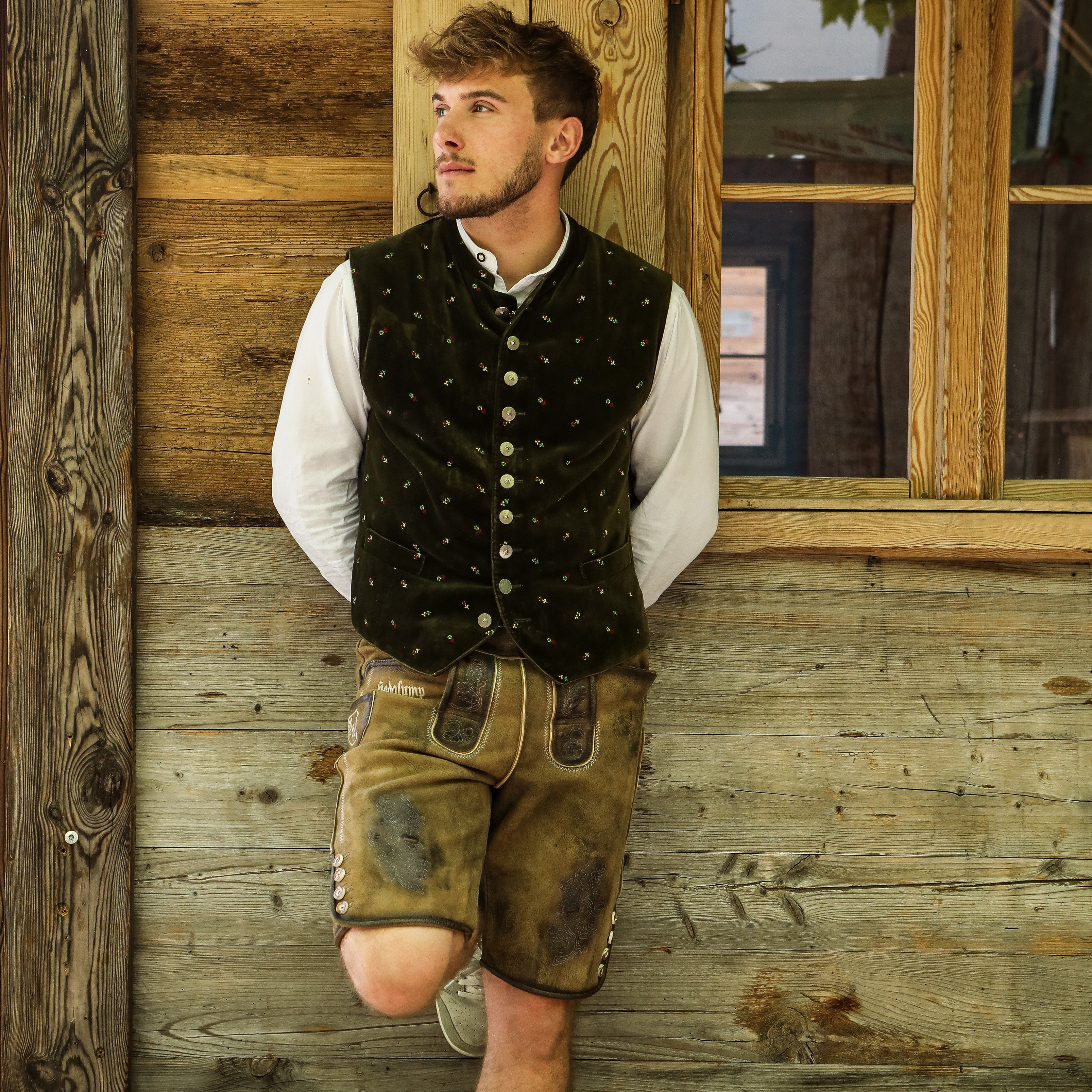
Lederhosen are not a costume, they are a garment that gets better over the years — and that is not a platitude, it is a description of how the material behaves. The leather takes up your body heat, stretches where you move and keeps that shape. After a few wears it sits loose where it should sit loose, and stays firm where it has to hold.
At the same time it darkens. Contact with your palms, sun, oil from your skin — the trousers go darker at the front of the thighs and around the pockets than everywhere else. That is precisely the patina people buy lederhosen for, and precisely why a worn pair cannot be replaced by a new one.
What you put up with in exchange: the first two or three times, they are stiff. That passes, and it is not a fault.
Care decides the second half of their life
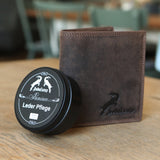
Leather dries out. Dried-out leather turns brittle and splits along the fold lines — and that is the one kind of damage to lederhosen that cannot be repaired. Once or twice a year, apply leather grease (€8.95, rated 4.77 from 52 reviews) thinly, let it soak in, take off the excess. Thinly means thinly: too much grease makes the leather heavy and dark. Exactly how to go about it is set out in the guide to applying leather grease.
After a day in the rain, never dry them on a radiator, but slowly at room temperature. How the principle works for leather in general is covered in detail in the care guide for leather goods — the rules for the trousers are the same as for a wallet, only the surfaces are larger.
Our two models
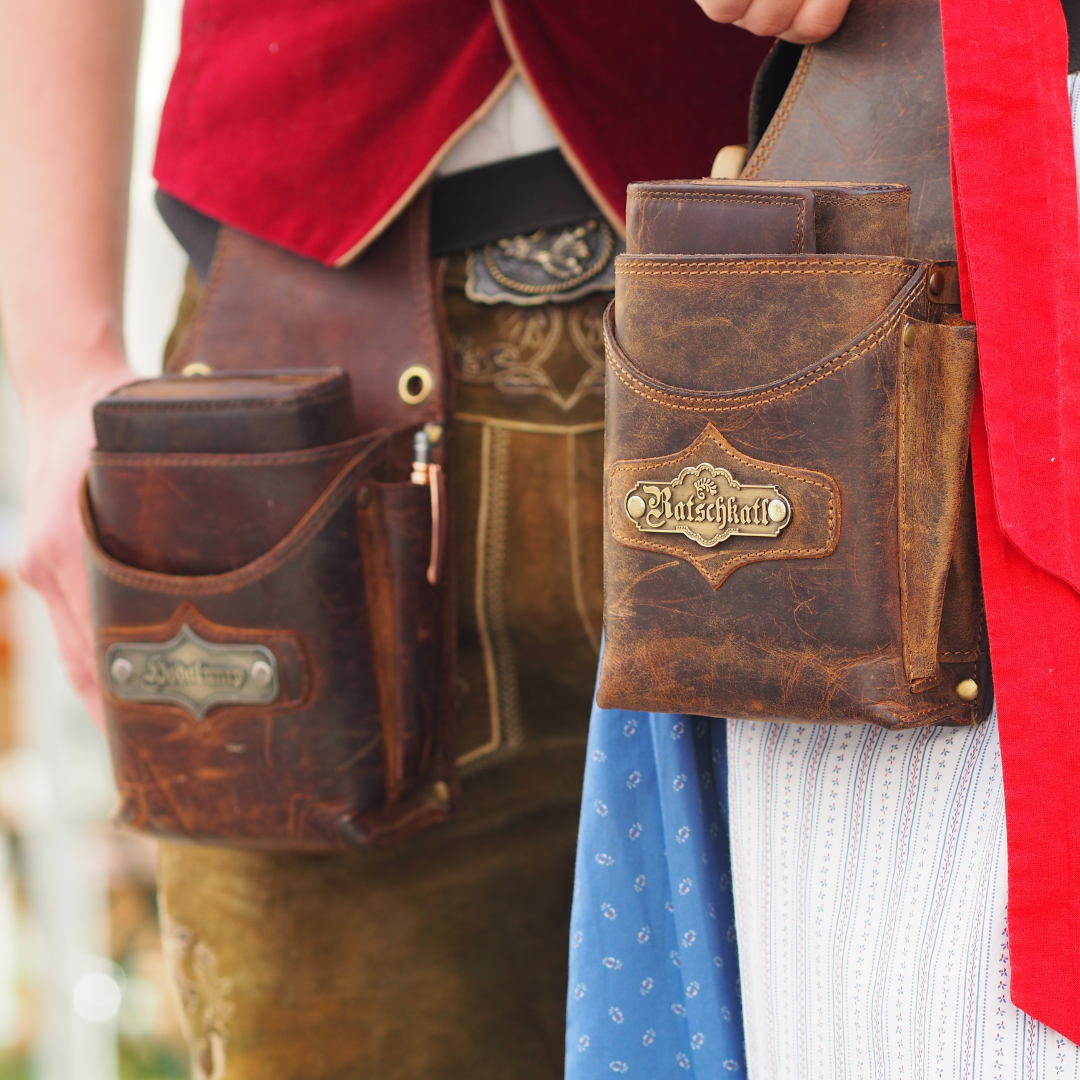
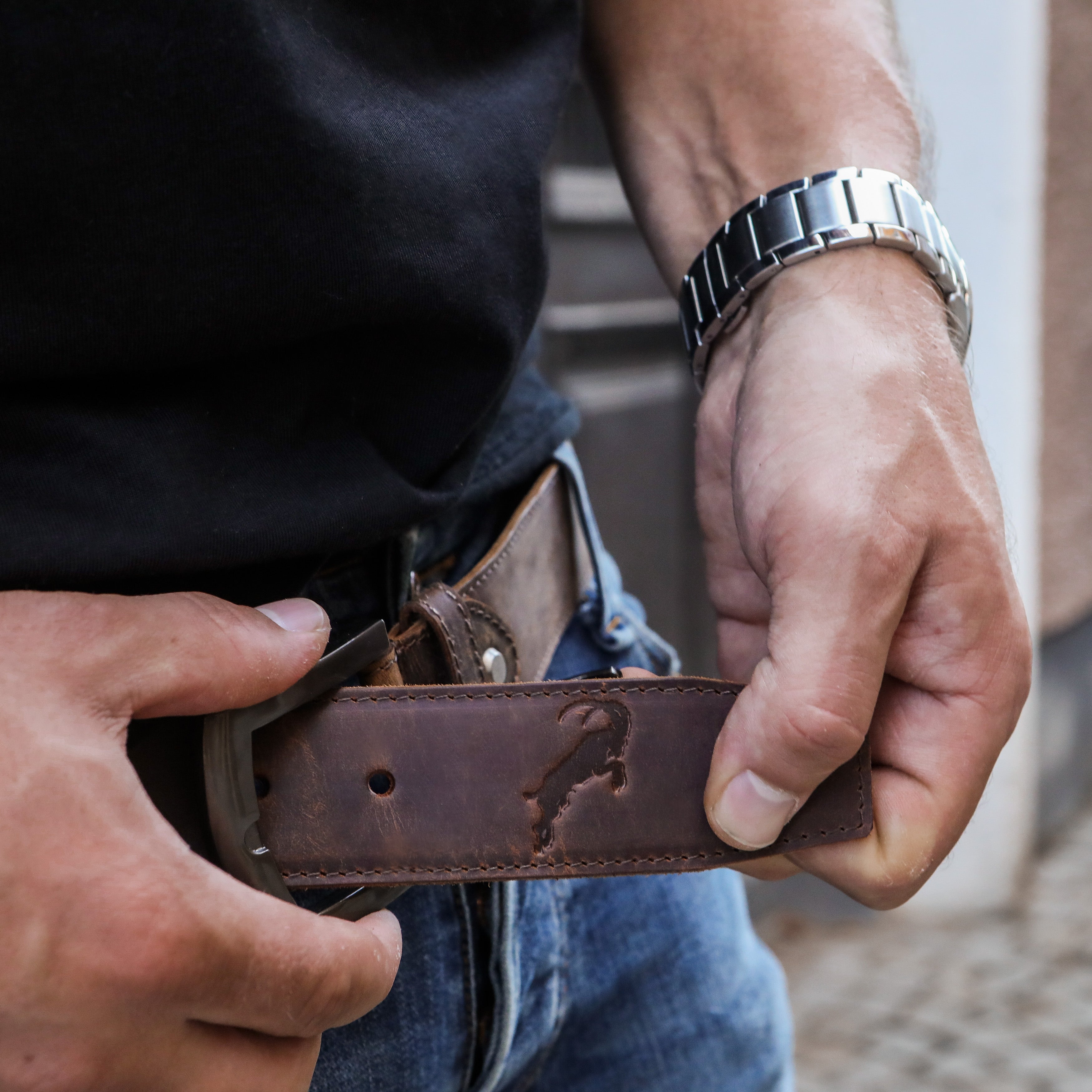
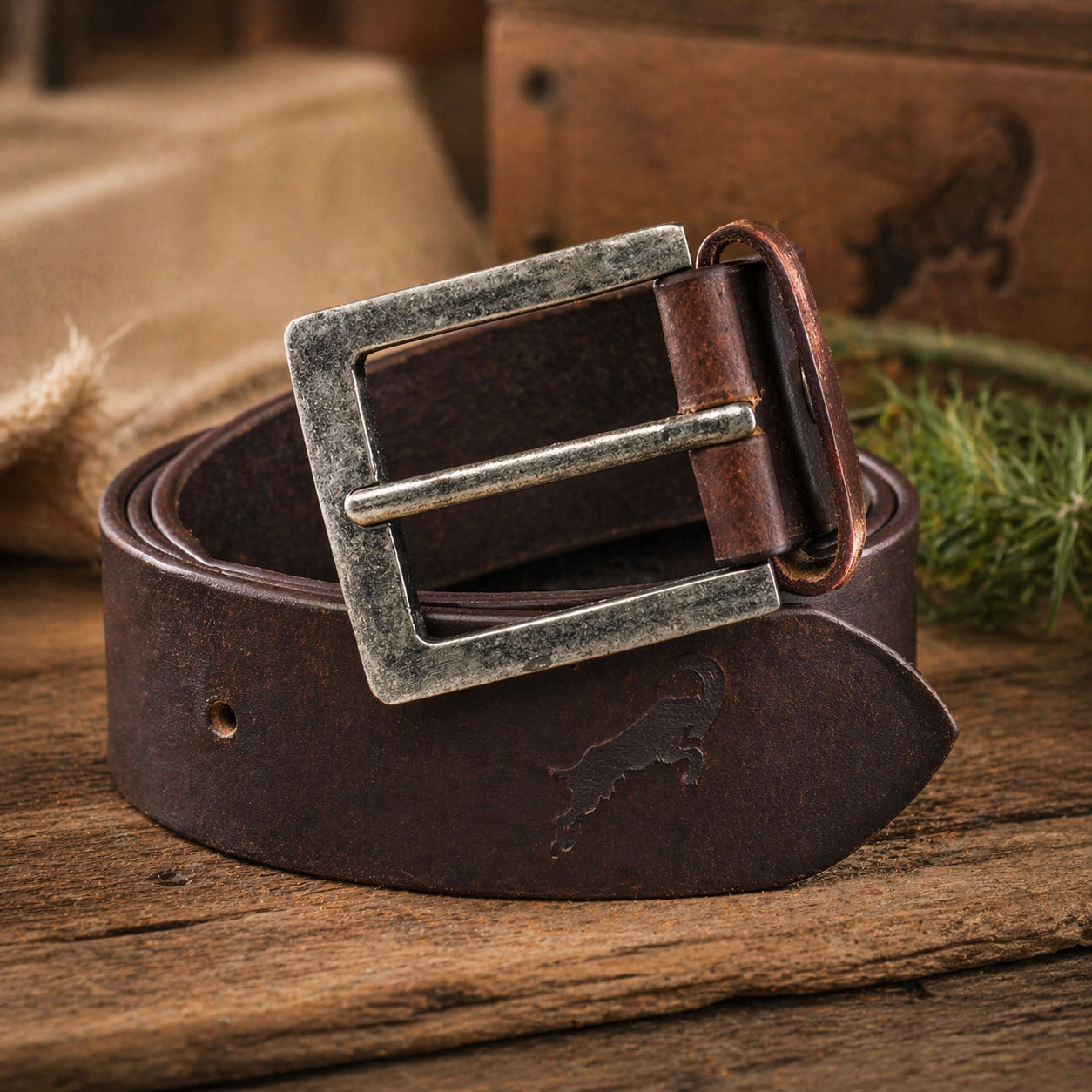
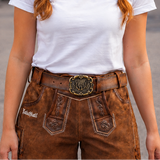
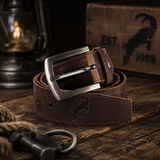
The table above lists the trousers and everything that goes with them. The Hodalump lederhosen (€149.95) are the men's model, handcrafted, and with 122 reviews the longest-running piece in the range. The Ratschkatl lederhosen (€119.95) are the women's version. Alongside them the belt, without which no pair of lederhosen sits properly for long, and the leather grease, without which no pair of lederhosen grows old.
To be honest: two models are not much of a comparison. If you are after a wide choice of cuts and lengths, you will not find it here. What you will find are two pairs of trousers that have stayed the same for years — and reviews that were written over that period rather than over one season.
The checklist before you buy
- Are there close-up photos of the stitching and the fittings? If not, ask.
- Does the leather feel full, or does it crease sharply?
- Suede or smooth leather — have you made a deliberate choice?
- Are the buttons stitched right through and the loops cleanly set?
- Does the waistband sit firmly rather than comfortably?
- When in doubt, the smaller size.
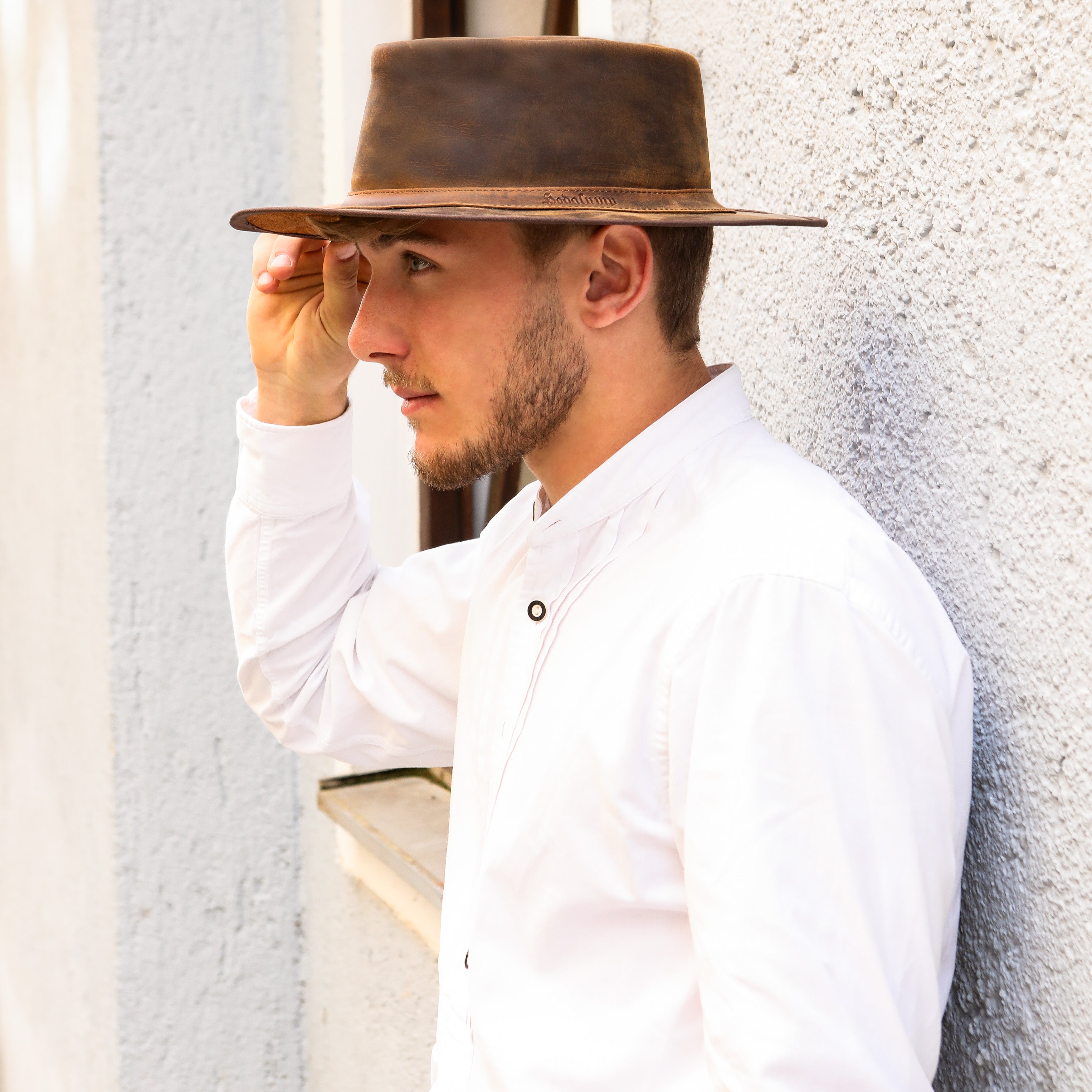
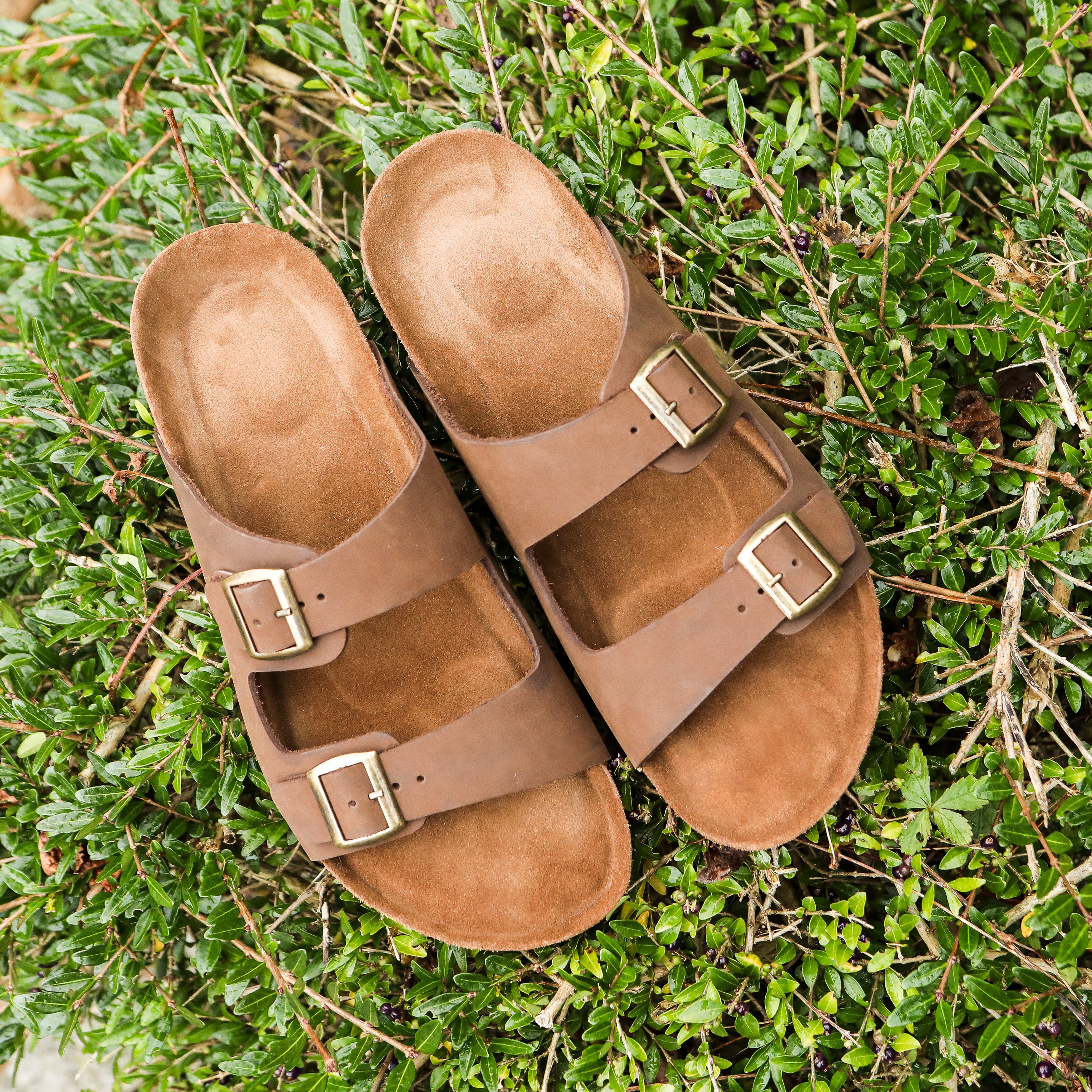
If you are putting an outfit together for the festival, the rest — hat, shoes, belt, bag — is in the Oktoberfest collection.